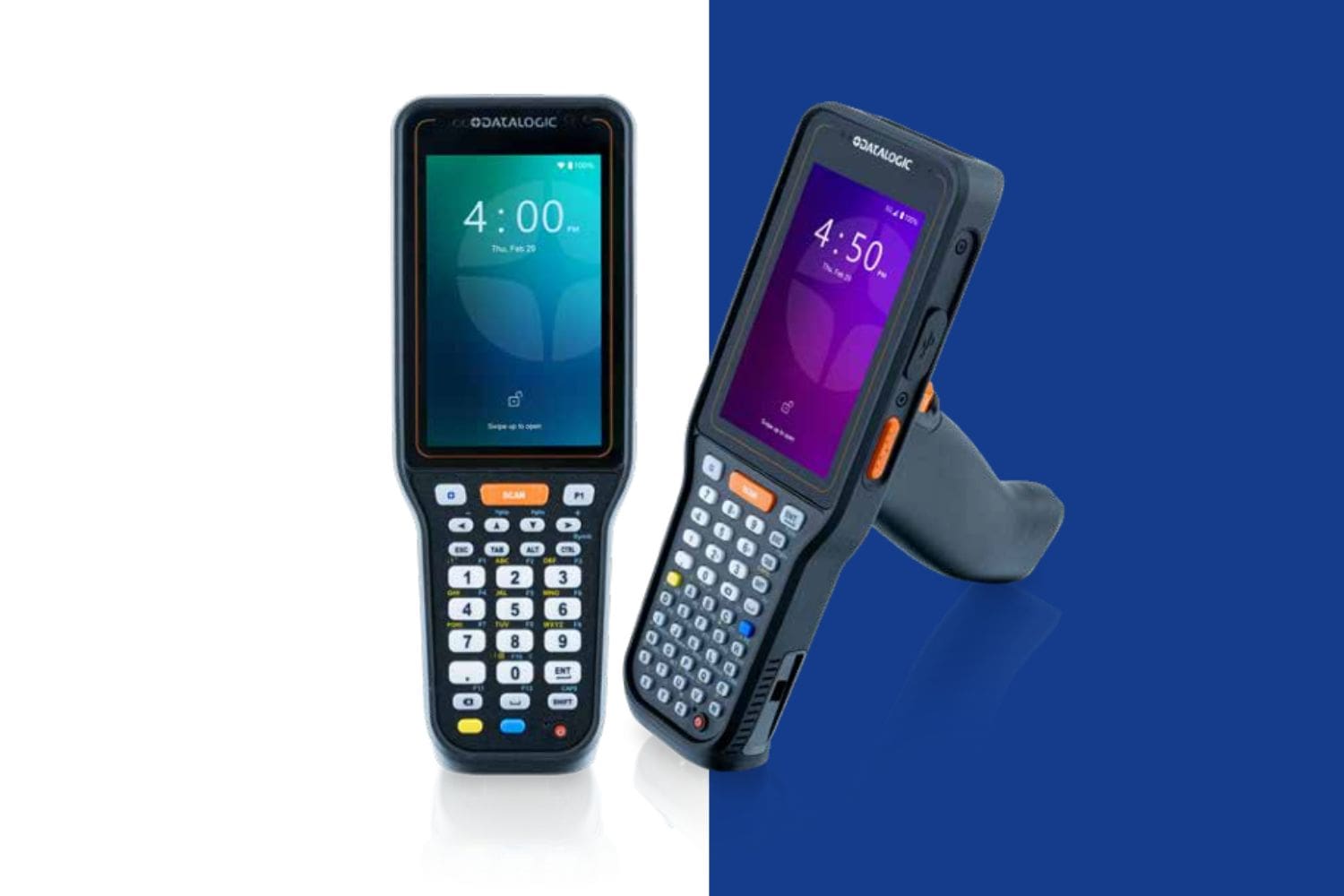
The world of wireless mobility has grown by leaps and bounds over the past decade. From mobile computers to tablets to barcode scanners, the technology has enabled workers to be more productive than ever before. But according to a recent article in Material Handling & Logistics, Wireless Mobility: Ready for the next leg up, there are still many opportunities for wireless mobility to continue evolving and improving.
Growth of Mobility in Logistics & Supply Chain Management
One of the biggest areas for growth in wireless mobility is in the field of logistics and supply chain management. With the rise of e-commerce and the increasing demand for fast, reliable delivery of goods, logistics companies are looking for ways to streamline their operations and improve efficiency. Wireless mobility offers the potential to do just that.
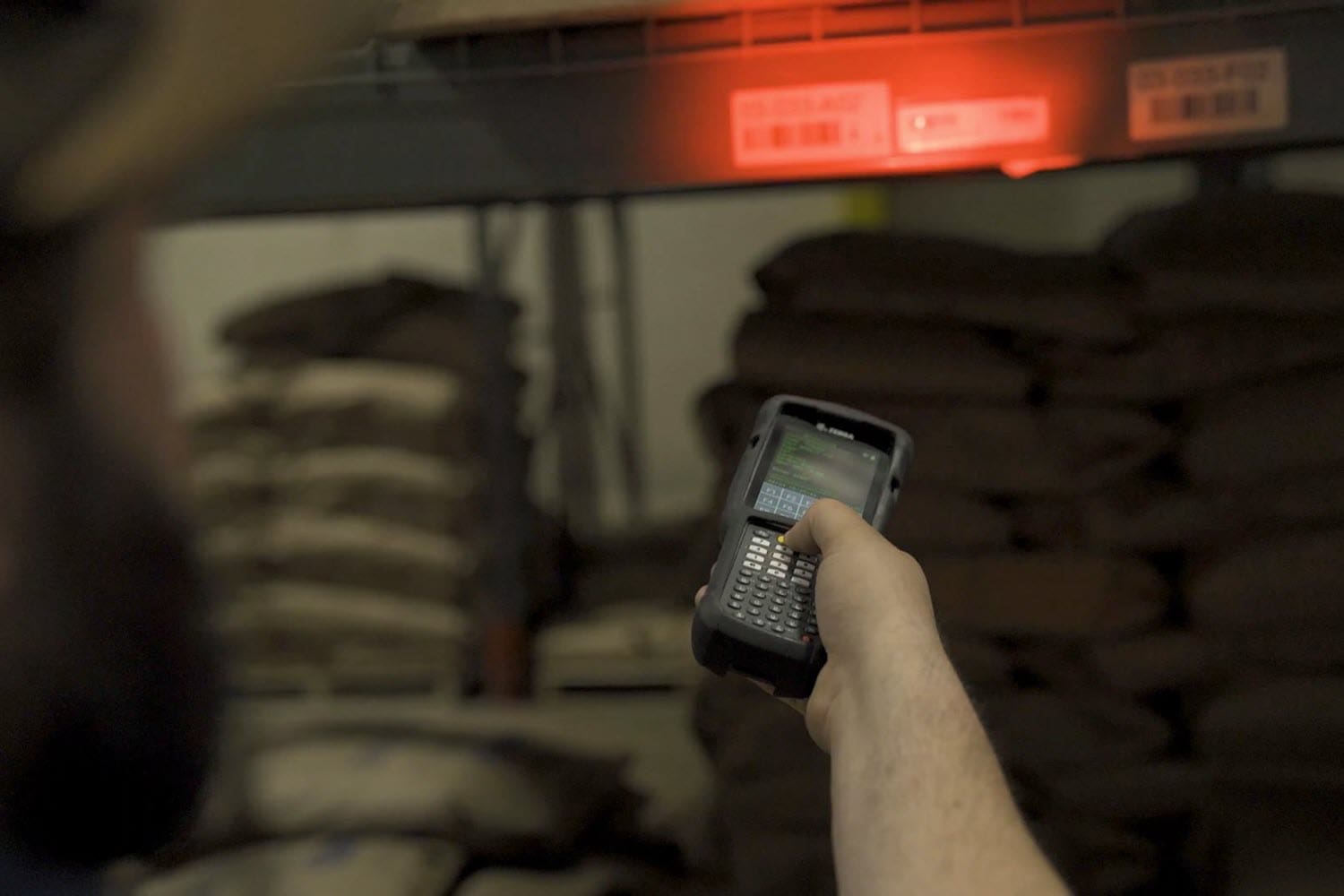
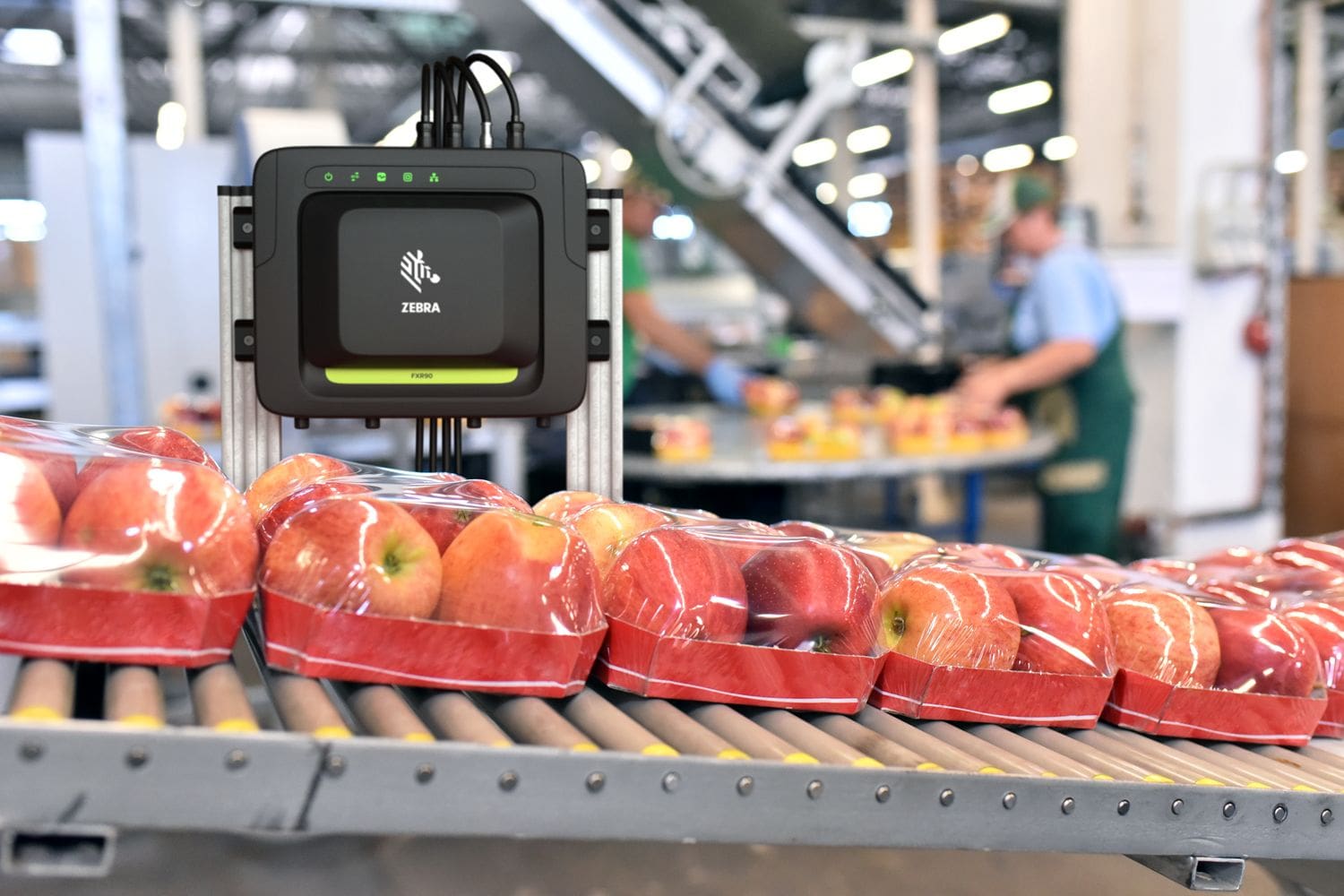
For example, using mobile devices like smartphones and tablets, workers in a warehouse or distribution center can quickly and easily scan barcodes or RFID tags to track inventory and shipments. This can help to reduce errors and improve accuracy, as well as speed up the entire process of receiving, storing, and shipping goods.
Wireless Mobility in Asset Management
Another area where wireless mobility is having an impact is in the field of asset management. By using sensors and other wireless technologies, companies can track the location and condition of their assets in real-time. This can help to prevent loss or theft, as well as reduce maintenance costs by enabling companies to schedule repairs and replacements more efficiently.
Changing Customer Communication
Wireless mobility is also transforming the way that companies communicate with their customers. With the rise of social media and other digital channels, customers are more connected than ever before, and companies are looking for ways to engage with them in real-time. Mobile devices offer the potential to do just that, enabling companies to send personalized messages and offers to their customers based on their location, preferences, and purchase history.
Notable Viewpoints on Wireless Mobile Computers
Wireless mobile devices are used for just one in three warehouse workflows! Inefficient pen and paper is still used for the other two.
Experts say “nothing offers the same ROI as mobile wireless devices”
Wearable computers eliminate the need for workers to continuously pick up and set down wired barcode scanners
Counter-intuitively, high performing wireless mobile devices are even more valuable within the four walls of an enterprise than those used in the field.
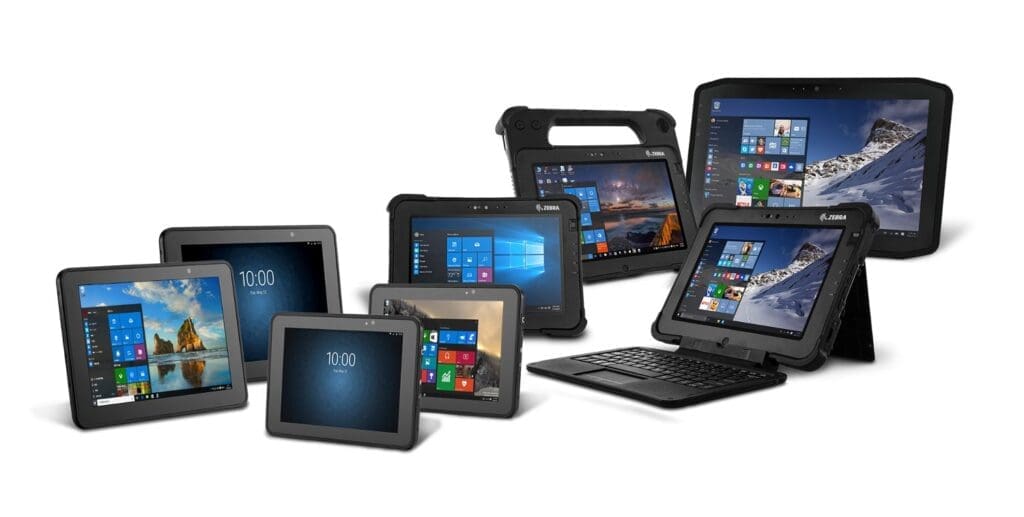
Rugged tablet PCs keep staff mobile and productive
Wireless Mobility Challenges To Be Addressed
Despite the many benefits of wireless mobility, there are still some challenges that need to be addressed. For example, many companies are still struggling to integrate mobile devices into their existing IT systems. This can make it difficult to share data and collaborate effectively across different departments and teams.
Another challenge is security. With more and more sensitive data being stored on mobile devices, companies need to ensure that their devices are properly secured and that their data is protected from hackers and other threats.
To address these challenges, companies are turning to new technologies and strategies to improve their wireless mobility solutions. For example, some are using cloud-based services to simplify the management of their mobile devices and applications. Others are investing in advanced security technologies like biometric authentication and encryption to keep their data secure.
Summary
Overall, the article suggests that the future of wireless mobility looks bright, with new technologies and innovations continuing to emerge. As companies continue to adopt mobile devices and wireless technologies, they are likely to see increased productivity, improved efficiency, and better engagement with their customers. However, it will be important for companies to stay up-to-date with the latest trends and technologies in order to take full advantage of the benefits of wireless mobility.
Contact CSSI
Ready to discuss upgrading your wireless computing capabilities and creating new mobile workflows? Speak to CSSI to learn how we can help.
FAQ – Frequently Asked Questions About the Benefits of Wireless Mobility in the Warehouse
Q: What measurable benefits can we expect from moving from paper or wired workflows to wireless mobile devices?
A. The biggest gains come from capturing data once, at the point of work. When workers scan barcodes or RFID tags on a mobile computer, transactions post to the WMS or ERP right away. Nobody keys them in later from paper. That cuts transcription errors, shortens receiving and putaway cycles, makes inventory visible in real time, and speeds up picking and shipping. To build a business case, set a baseline before deployment. Measure picks per hour, order accuracy, dock-to-stock time, cycle count variance, and labor spent on manual data entry. Then compare after rollout. Most organizations find that eliminating mispicks and inventory discrepancies alone justifies the investment.
Q: Will wireless mobile devices work with our existing WMS, ERP, or MES?
A. In most cases, yes. Integration should be planned up front, though, not treated as an afterthought. Modern rugged mobile computers run Android or Windows. They can connect through browser-based WMS interfaces, terminal emulation for legacy host systems, native apps, or APIs and middleware for newer cloud platforms. The right approach depends on your software version and how much you want to modernize the user experience. A value-added reseller with AIDC experience can assess your environment, recommend the integration method, and run a proof of concept on your actual workflows before you commit to a full deployment.
Q: What does our wireless infrastructure need to support a mobile workforce in a warehouse or manufacturing plant?
A. Warehouses and plants are hard RF environments. High-bay racking, metal structures, dense inventory, freezers, and machinery all weaken or reflect Wi-Fi signals. Before you deploy, do a professional site survey to map coverage, find dead zones, and plan access point placement. Devices also need to roam smoothly between access points so scanning sessions don’t drop. Current rugged devices support Wi-Fi 6 and 6E, which improve capacity and performance where many devices share the network. For yard operations, cross-dock areas, or multi-site fleets, cellular connectivity (LTE or 5G) can fill the gaps that Wi-Fi leaves.
Q: How do we secure and manage a large fleet of mobile devices?
A. Mobile device management (MDM) is the foundation. An MDM platform lets IT enroll devices, push applications and updates, enforce security policies, lock devices into approved apps, and wipe or locate lost units remotely, all from one console. Add encryption, strong authentication, and timely OS security patches. Enterprise-grade rugged devices from manufacturers such as Zebra, Honeywell, and Datalogic usually come with longer OS support lifecycles and security update commitments than consumer smartphones, which is a major factor for IT teams planning multi-year deployments. Centralized management also reduces downtime, because devices can be diagnosed and reconfigured without being pulled from the floor.
Q: How do we choose the right mix of handhelds, wearables, tablets, and vehicle-mounted computers?
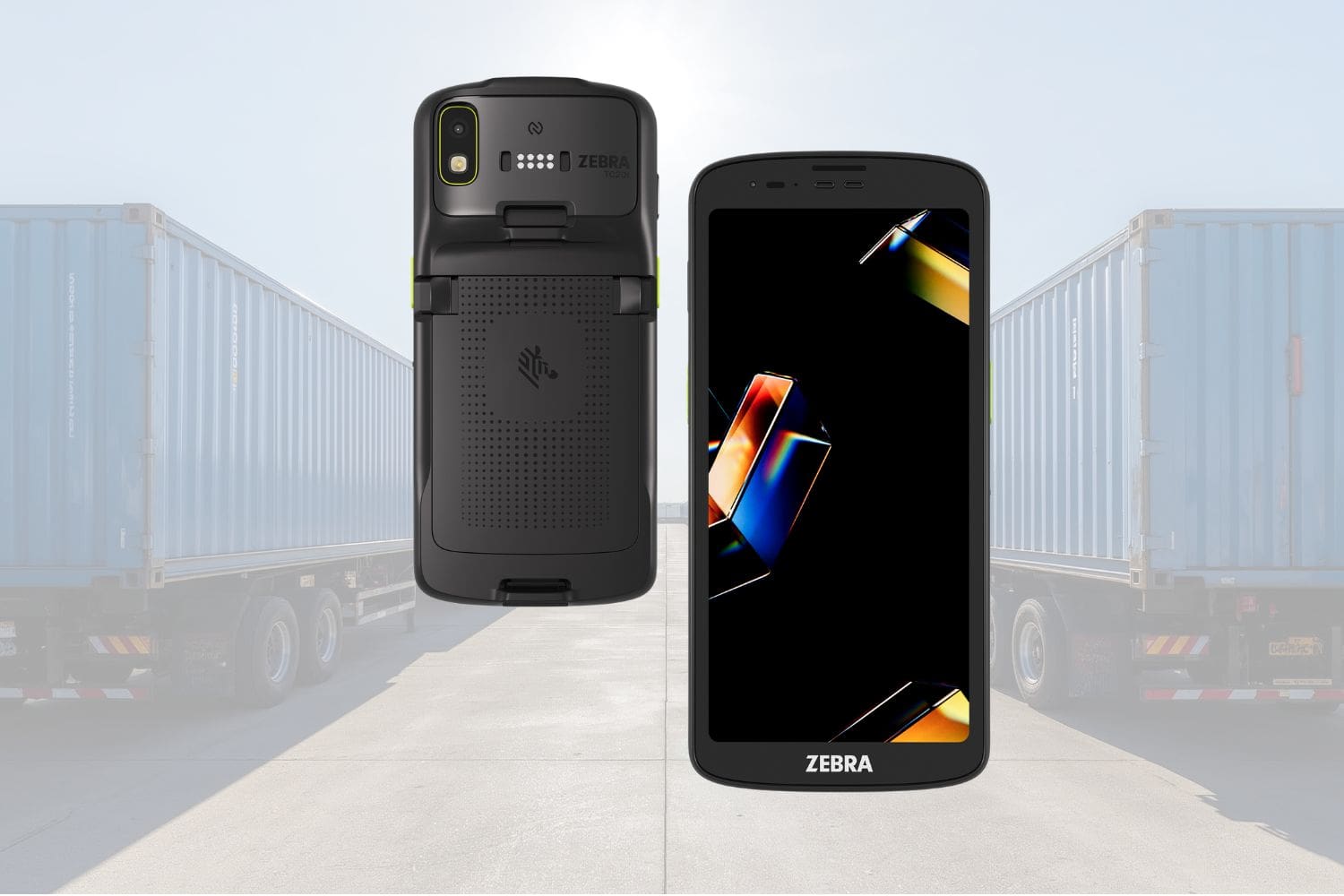
A. Match the device to the task, not the other way around. Rugged handheld mobile computers are versatile all-rounders for picking, receiving, and inventory counts. Wearable computers and ring scanners free up both hands for high-volume picking and packing, which cuts fatigue and handling time. Rugged tablets suit supervisors, quality inspections, and tasks that need a larger screen for forms or work instructions. Vehicle-mounted computers belong on forklifts and reach trucks for putaway and replenishment. Environmental factors matter too. Cold storage needs freezer-rated devices with heated displays and condensation protection. Manufacturing floors may need devices rated for drops, dust, chemicals, or hazardous locations. A workflow assessment and a hands-on pilot with your own staff is the most reliable way to get the mix right before you scale.