Why Long Range Scanning Is No Longer Optional in Modern Warehouses
Why Is Ultra-Long-Range Barcode Scanner Capability Now Essential for Most Warehouses?
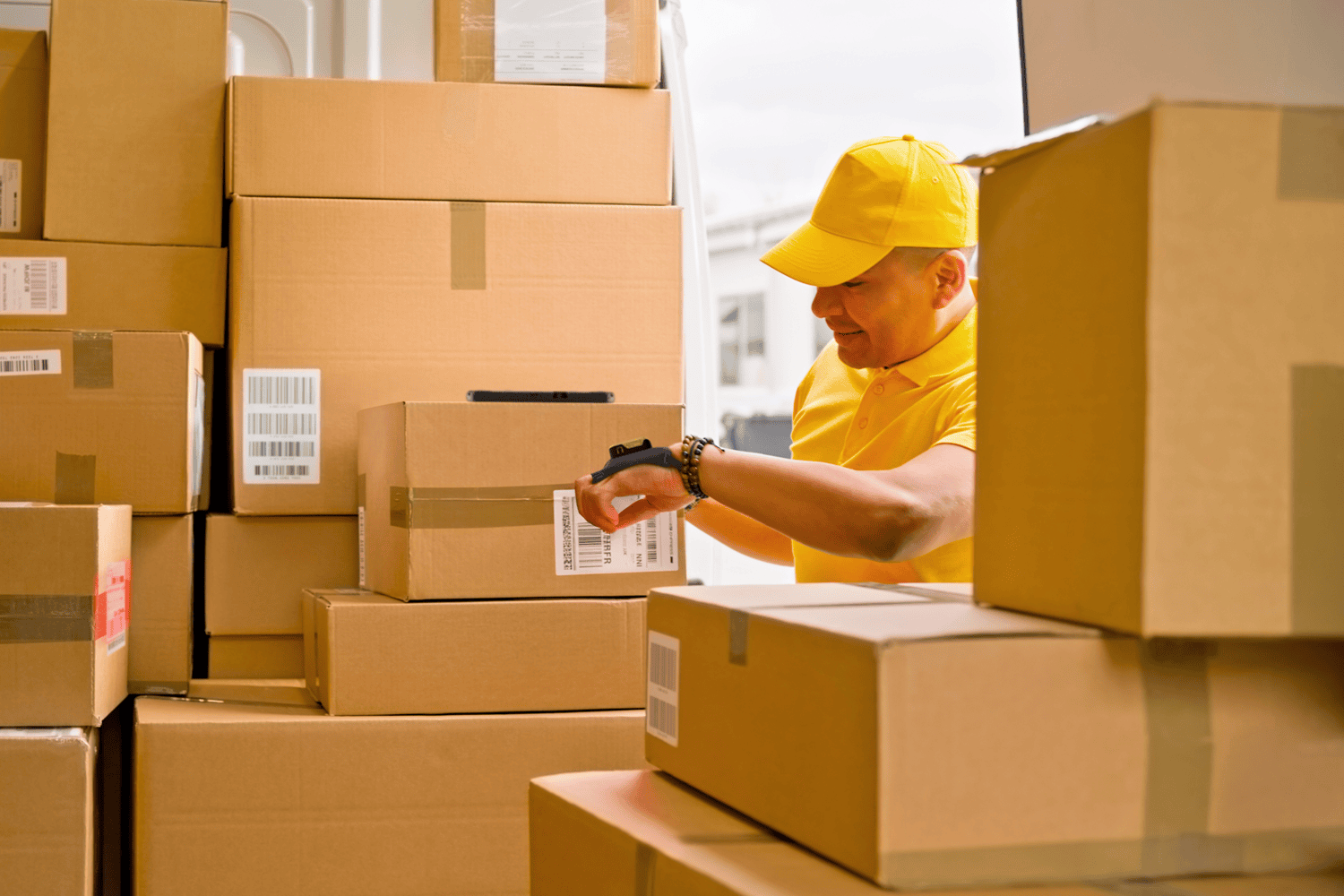
Today’s warehouses and distribution centers are fundamentally different from what they were even five years ago. Taller racking, longer aisles, cold storage zones, forklift traffic, and aggressive throughput targets have pushed traditional mobile barcode scanner technology past its limits – greater scan range for barcode labels is often needed. For IT and operations leaders evaluating mobile computing upgrades, ultra-long-range (ULR) scanning is increasingly the capability that determines whether a device investment actually delivers ROI—or falls short on the floor.
What Is the Operational Case for Long Range Barcode Scanners?
The challenges driving ULR adoption are not edge cases—they are everyday realities in high-volume facilities:
Distance and high-bay racking: Workers can’t always get close to the label. Multilevel pick faces and wide aisles make close-range scanning impractical, slowing throughput and increasing scan failures.
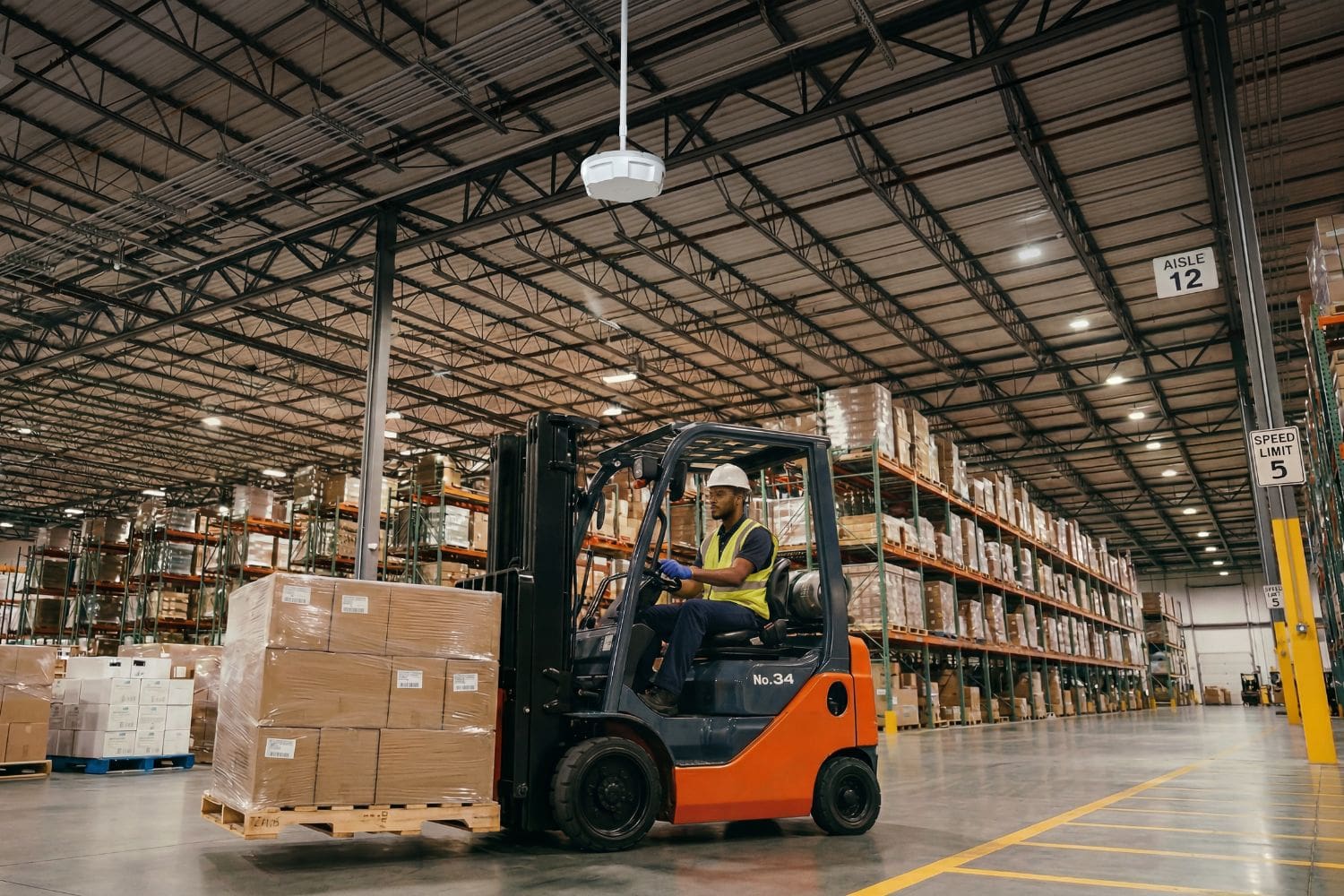
Forklift operations: Drivers who must dismount repeatedly to scan pallet or shelf barcode labels lose significant time per shift. ULR scanning lets operators scan from their seated position—a direct productivity gain.
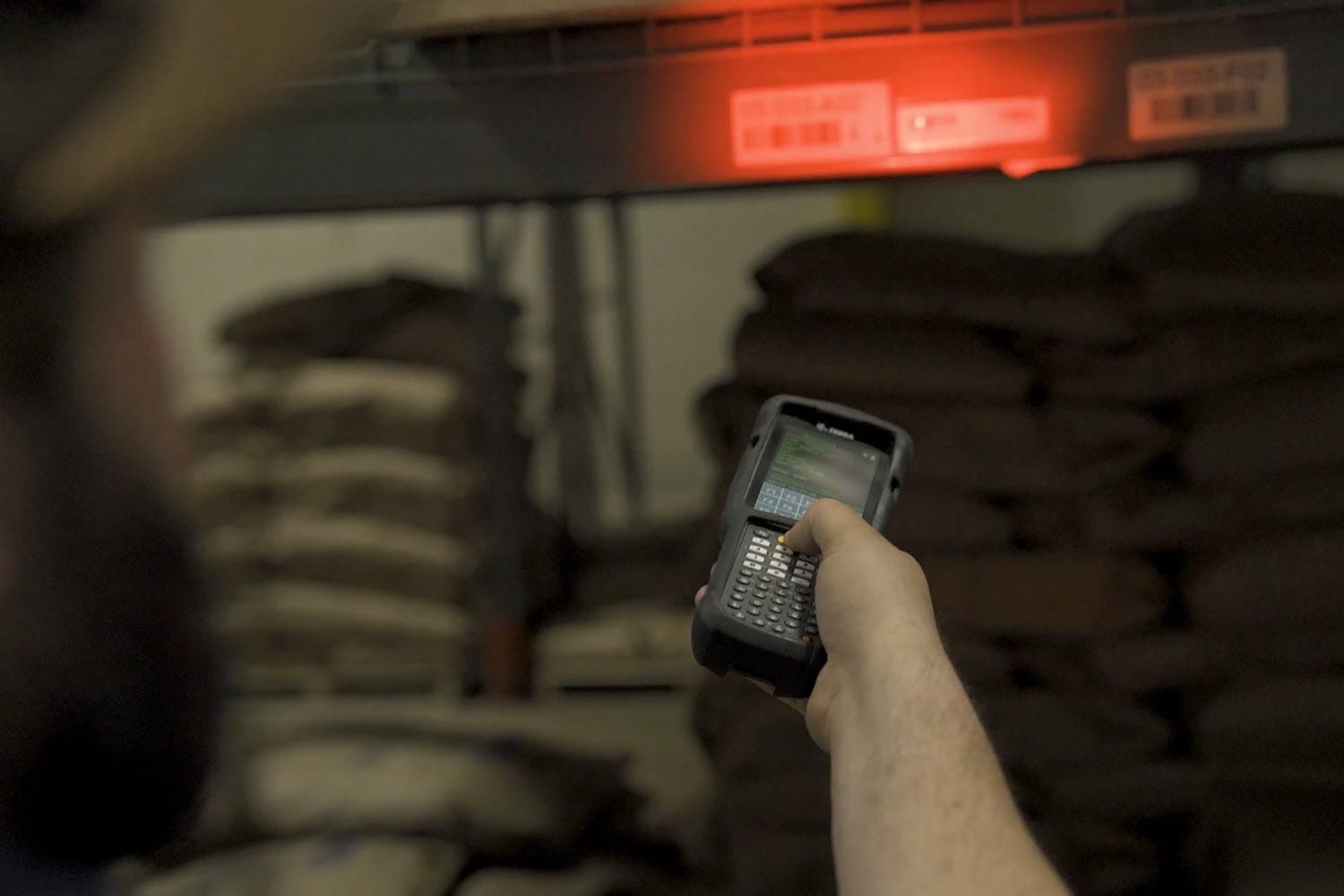
Harsh environmental conditions: Moisture from refrigeration units, dust from corrugated materials, and worn or damaged labels degrade the scanner and impeded reliable performance. Rugged scanner models and rugged mobile computers with long range scanner engines are purpose-built to maintain first-pass accuracy in these conditions.
Cold storage: Frigid environments restrict fine motor skills and force workers into bulky protective gear. A scanner that demands precise aim or close proximity becomes a liability in cold storage and refrigerated warehouses. ULR scanning compensates by extending effective scan range and reducing alignment requirements.
Warehouses By the Numbers • Warehouse capital spending rose from $1.8M to $2.1M average project budget in 2025–2026 • The long-range barcode scanner market is projected to grow from $2.37B (2024) to $5.51B by 2033—a 9.8% CAGR • 66% of companies are actively seeking to improve warehouse capacity utilization • Over half of warehouse operators plan to improve picking efficiency in the next two years
How Long Range Scanners Improve Productivity?
The ROI for a long range scanner isn’t theoretical. Fewer scan failures means less time repositioning, re-scanning, and troubleshooting. For forklift operators alone, eliminating repeated mount/dismount cycles can recover meaningful time per shift across an entire fleet. Multiply that across a workforce, and the labor savings are material.
Beyond efficiency, there’s a workforce retention dimension. Workers equipped with rugged scanner tools that actually work in their environment experience less fatigue and frustration—which directly affects turnover. In a labor market where warehouse staffing remains a persistent challenge, that matters.
What Scan Ranges Are Covered By Different Types of Barcode Scanners?
What to Look for in a ULR Mobile Computing Solution?
Not all long-range scanning range claims are equal. When evaluating devices, look for:
First-pass read rate accuracy under real-world conditions (not just lab specs)
Rugged certifications appropriate for your environment (IP ratings, MIL-STD drop testing)
Reliable performance and ability to scan both 1d barcodes and 2d symbologies.
Cold storage validation—if it works there, it will work everywhere
Ergonomic design that reduces physical strain during high-volume scanning tasks
Integration with your existing WMS and device management platform
Working With a Specialized VAR Makes the Difference Selecting the right long range barcode scanner or mobile computer involves more than reading a spec sheet. The real value comes from matching device capabilities to your specific workflows, environment, and integration requirements. That’s where working with a specialized AIDC reseller—one with deep experience in warehousing, distribution, and cold storage deployments—gives you a significant advantage over going direct or through a generalist channel.
The Bottom Line on the Long Range Barcode Scanner
Ultra-long-range and extended range scanning has moved from a premium feature to a practical requirement for any facility operating at scale. As warehouses grow taller, faster, and more complex, the ability to scan reliably at distance—from a forklift seat, in a freezer aisle, or from 30 feet away—directly determines whether your mobile computing investment performs on the floor. Plus, modern scanners can accommodate both 1d barcodes and 2d codes. The facilities getting ahead of this curve are treating ULR capability as a baseline, not an upgrade.
Further Reading The information above draws on Honeywell’s white paper ‘Technology for Complex Warehouse Environments’ (February 2026), included below. CSSI Technologies is a Honeywell Platinum Partner.
FAQ – Frequently Asked Questions About Long Range Barcode Scanning in Modern Warehouses
1: What makes ultra-long-range (ULR) scanning different from standard barcode scanning on a mobile computer? Standard barcode scanners are designed for close-range, controlled conditions — typically a few inches to a few feet. Ultra-long-range scanning engines extend that effective read distance significantly, allowing workers to decode barcodes from across an aisle, at height on a racking system, or from a forklift seat without dismounting. The key difference isn’t just distance: ULR scanning is also engineered to maintain first-pass accuracy despite real-world interference factors like poor lighting, worn labels, dust, moisture, and environmental haze that degrade standard scanner performance at range.
2: Which warehouse operations benefit most from long-range barcode scanning capability? Forklift operations see some of the most immediate gains — drivers can scan shelf and pallet labels from their seated position, eliminating repeated mount/dismount cycles that consume significant time per shift. High-bay and multilevel pick face environments benefit because workers can confirm identifications without repositioning to align with the label. Cold storage facilities are another critical use case: frigid conditions and bulky protective gear restrict fine motor skills, making precise close-range scanning impractical. Any operation where distance, safety clearance, or environmental conditions prevent close label contact is a strong candidate for ULR-equipped mobile computers.
3: How does long-range scanning capability affect worker safety? Safety is one of the most underappreciated benefits. In a working warehouse — with forklift traffic, moving pallets, and active pick zones — repeatedly maneuvering close to a label creates exposure to preventable hazards. ULR scanning allows workers to confirm identifications from a safe distance, reducing unsafe body positions and minimizing the need to enter active traffic zones to scan. For forklift operators specifically, keeping drivers in their seats during scanning tasks eliminates a class of incidents associated with frequent vehicle entry and exit.
4: Is the long-range barcode scanner market growing, and what’s driving that growth? Yes, significantly. The long-range barcode scanner market is projected to grow from approximately $2.37 billion in 2024 to $5.51 billion by 2033, representing a compound annual growth rate (CAGR) of 9.8%. The primary drivers are the continued expansion of e-commerce fulfillment — which puts pressure on picking speed and accuracy — and broader investment in warehouse automation and intelligent inventory management. Warehouse operators are also increasing capital budgets, with average project spend rising from $1.8 million to over $2.1 million in the past year, reflecting a strong appetite for technology that improves operational efficiency.
5: What should operations or IT leaders look for when selecting a mobile computer with ULR scanning for their facility? Start with first-pass read rate accuracy under real-world conditions, not just advertised range specs in a controlled lab environment. Beyond that, evaluate rugged certifications — IP ratings for dust and moisture resistance, and MIL-STD drop testing relevant to your environment. Cold storage validation is a reliable stress test: a device that performs reliably in a freezer aisle will hold up in virtually any other warehouse environment. Consider ergonomic design, since devices that minimize physical strain during repetitive scanning tasks directly affect worker productivity and retention. Finally, confirm integration compatibility with your WMS and device management platform. Working with a specialized AIDC reseller — rather than a generalist channel — is often the most effective way to match device capabilities to the specific demands of your facility.