Warehouse Wearables: How Wearable Technology Boosts Worker Productivity
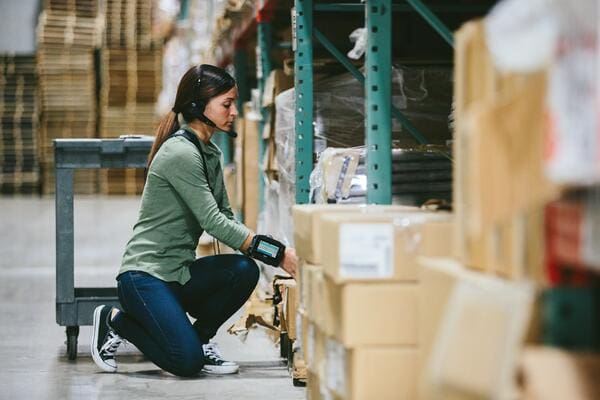
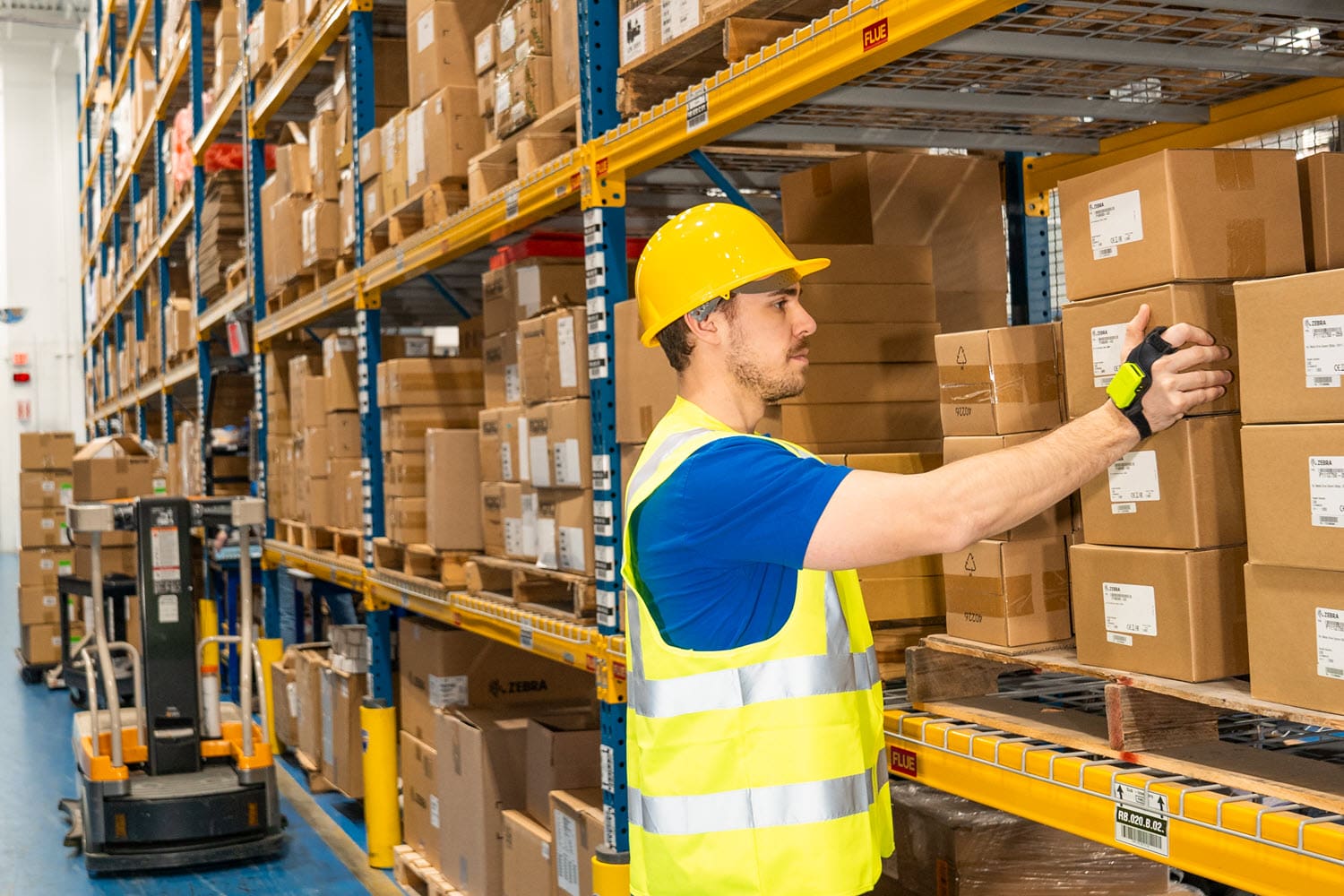
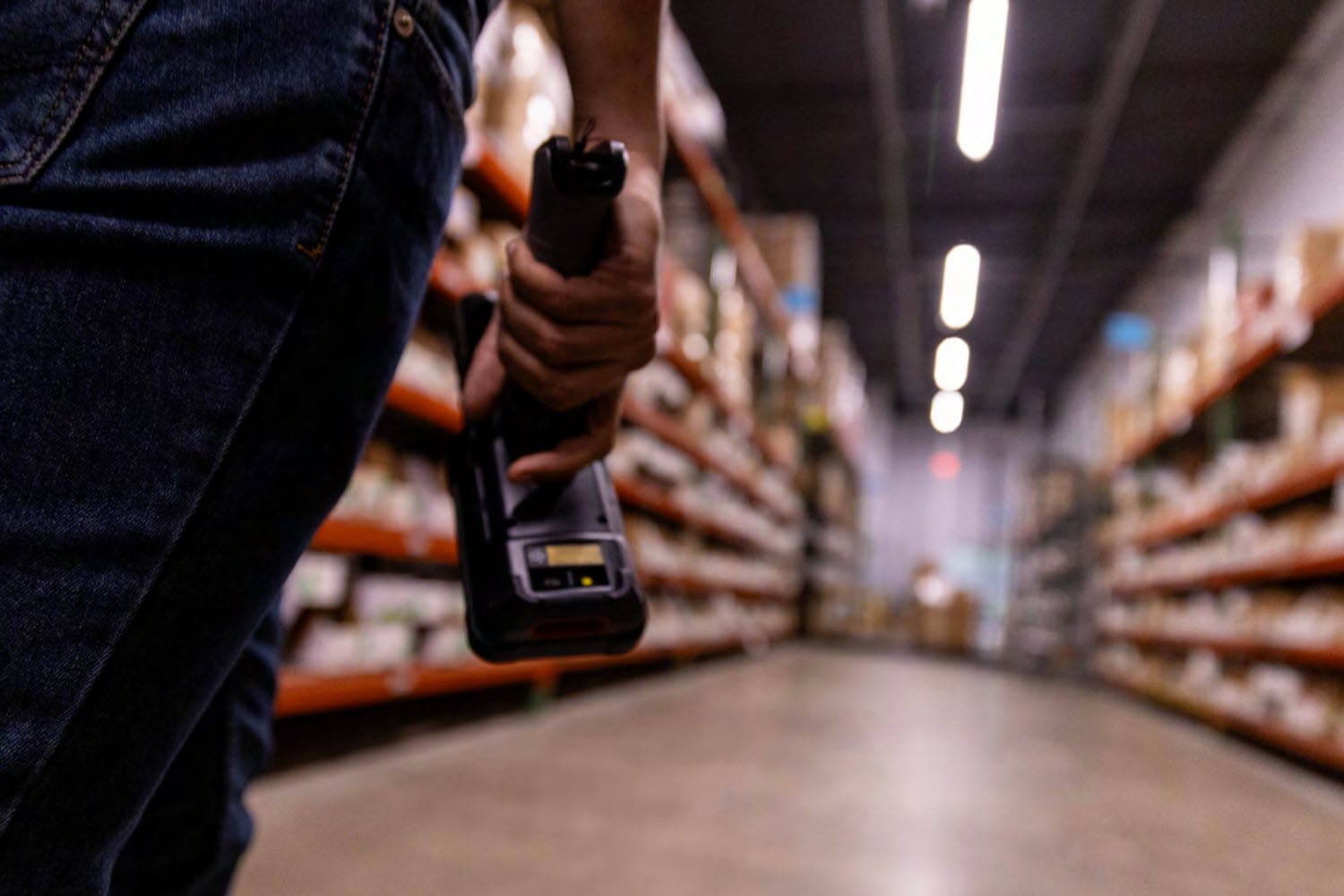
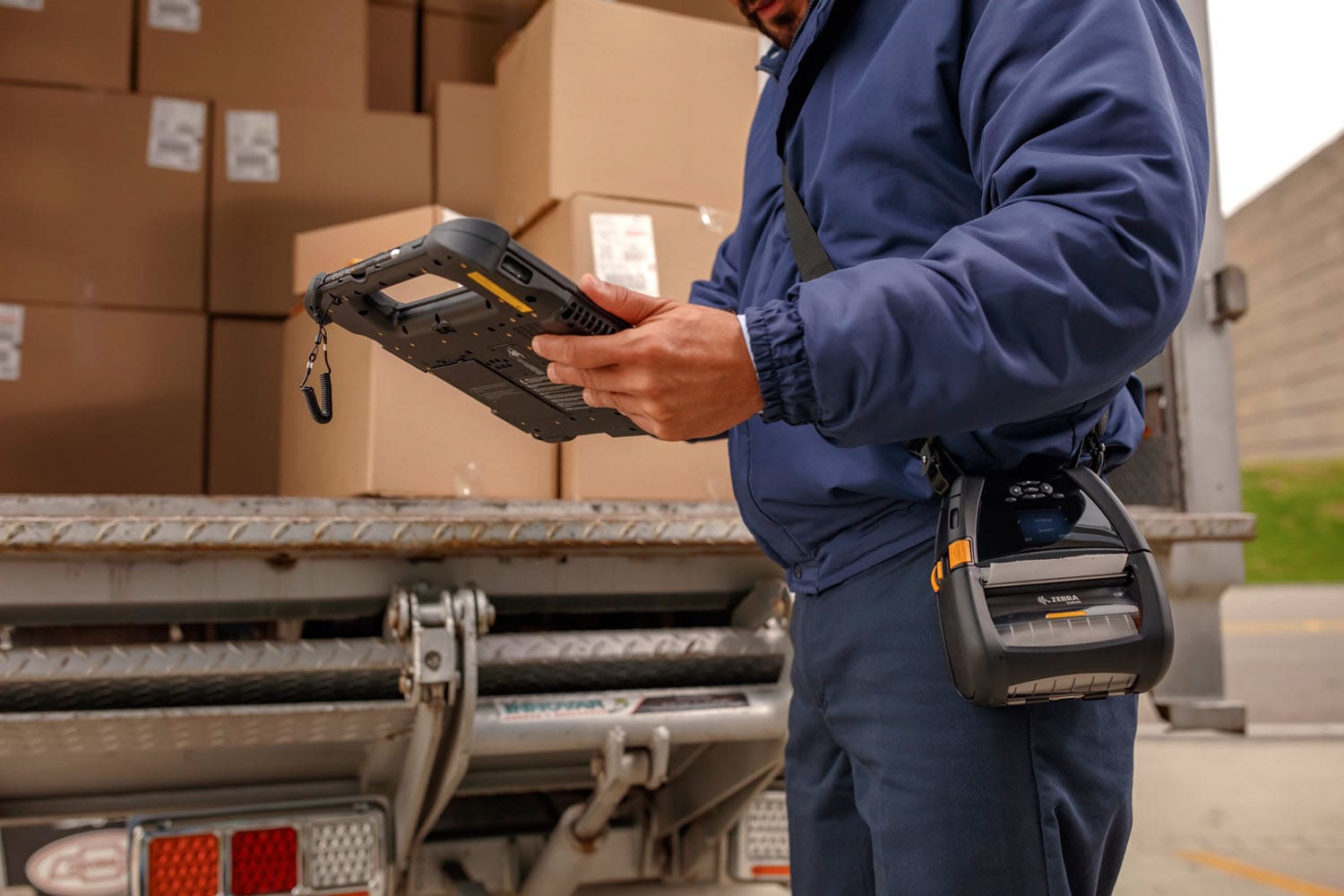
In today’s fast-paced warehouse environments, efficiency and productivity are key to meeting customer demands and optimizing operations. One technology that continues to emerge as a warehouse game-changer is that of ‘wearables’. Wearable devices include mobile computers and barcode scanners worn by the user, typically on the arm, hand, or fingers, or smart glasses worn by the worker. Wearables provide workers with hands-free access to crucial information, enabling them to perform critical warehouse tasks faster and more accurately.
Wondering about the specific benefits of wearable technology for the warehouse and how you can justify the investment for your business?
Top 6 Ways Wearable Technology Improves Warehouse Worker Productivity
1. Improved Order Picking Efficiency:
The need for improved output from warehouse workers is the most common reason for adapting wearable scanners and computers. Order picking is a critical and time-consuming task in warehouse operations, and wearable technology significantly enhances this process. By displaying order details and optimal picking paths directly on the wearable device, workers can efficiently navigate the warehouse, reducing travel time and optimizing the sequence of picking tasks. This augmented visibility helps minimize errors, boost accuracy, and ultimately improve order fulfillment speed.
2. Real-Time Access to Information:
Traditionally, warehouse workers had to refer to paperwork or walk to fixed computer terminals to access essential data. Wearable technology eliminates this limitation by providing real-time access to information right at the worker’s fingertips. Workers can instantly retrieve inventory data, order details, and picking instructions, enhancing their decision-making capabilities and minimizing errors caused by miscommunication.
3. Ergonomic Advantages:
In high-volume environments, wearable tech will make an impact. Warehouse wearables offer ergonomic benefits by eliminating the need for workers to carry heavy handheld devices or frequently reach for fixed computer terminals. By integrating technology directly into wearable devices, workers can perform tasks more comfortably and efficiently. A wearable barcode scanner or computer provides an ergonomic advantage which minimizes fatigue, reduces the risk of repetitive strain injuries, and enhances overall worker well-being. Time studies show that saving just 2-3 seconds per transaction will have an outsize impact when tasks are performed hundreds of times per day (or more!).
4. Streamlined Inventory Management:
Wearable technology, when equipped with barcode scanning capabilities, revolutionizes inventory management. With these devices, workers can scan items effortlessly by simply pointing their fingers at barcodes, eliminating the need for handheld scanners. This streamlines the inventory counting process, reduces errors, and saves valuable time. Also, it can increase compliance with processes by making it easier for the worker.
5. Faster Training and Onboarding Assistance:
Wearable technology can be instrumental in training new warehouse employees or facilitating onboarding processes. By providing step-by-step visual instructions on the wearable device, workers can quickly learn complex tasks, reducing training time and minimizing errors. This technology serves as a virtual mentor, ensuring consistency and accuracy in the execution of various warehouse processes.
Another advantage of wearable technology is its adaptability and scalability to different users and warehouse environments. These devices can be easily integrated with existing warehouse management systems, making them compatible with various workflows and processes. Additionally, as businesses grow and evolve, wearable technology can scale to accommodate changing needs, ensuring long-term productivity gains.
Ready To Look at Wearables?
Wearable technology has emerged as a transformative tool in the warehouse industry, empowering workers with instant access to critical information, optimizing workflows, and boosting overall productivity. From streamlining inventory management and order picking to improving communication and training processes, these devices have the potential to revolutionize the way warehouses operate. As technology continues to advance, embracing wearable devices in warehouse environments will undoubtedly become a key factor in achieving operational excellence and maintaining a competitive
Contact CSSI To Demo Wearable Computers
Ready to pursue warehouse automation and find a wearable computer which can help your team gain increased productivity? Contact the scanning and mobile computing experts at CSSI to arrange a demo of wearable scanners or computers which can make a fast impact on your team’s warehouse efficiency. We will assess your needs, and set up a hands-on demonstration for your team.
FAQ – Frequently Asked Questions About Wearable Computers and Scanners in the Warehouse
A. Start with the math on your highest-volume task. If pickers scan hundreds of items per shift, saving even a few seconds per scan adds up to hours of recovered labor per worker each week. Add the cost of picking errors you would avoid, such as returns, re-shipments, and chargebacks, and the payback is usually easier to show than leaders expect. Many operations also extend the life of the handhelds they already own by pairing them with a ring or wrist scanner rather than replacing them. CSSI can help you run a proof of concept (POC) that measures throughput and accuracy in your own workflows, so the business case is based on your numbers rather than industry averages.
Q: What’s the difference between a wearable scanner and a wearable computer, and which do we need?
A. A wearable scanner, such as a ring or glove scanner, captures barcodes and sends the data over Bluetooth to a host device like a handheld, wrist-mounted computer, or vehicle-mounted computer. A wearable computer, such as Zebra’s WS50 or WS501, combines the scanner, screen, and Android computer in one device worn on the wrist or hand. Scanners suit workers who already carry a mobile computer and mainly need their hands free while scanning. Wearable computers suit high-volume picking, putaway, and sortation, where workers benefit from seeing tasks and confirmations on the device itself. Many warehouses use both, matched to the job.
Q: Will wearables work with our existing WMS and warehouse applications?
A. In most cases, yes. Android-based wearable computers can run the same native apps, web apps, and terminal emulation sessions your handhelds use today, and ring scanners act as keyboard-wedge input to whatever host app is already running. The main consideration is screen size. Applications built for a full handheld display may need screens simplified for a smaller wrist display. Industrial browsers and Telnet screen modernization tools can reformat existing WMS screens without changing the back-end system, and CSSI’s custom programming services can handle tailored workflows.
Q: How does IT manage, secure, and support wearable devices at scale?
A. Wearable computers are managed like any other enterprise Android device. A mobile device management (MDM) platform lets IT push apps and updates, lock devices into approved applications, enforce security policies, and locate or remotely wipe devices. Bluetooth pairing between scanners and hosts can be configured to speed shift startup, and your Wi-Fi network should be checked for coverage and roaming performance in aisles and docks before rollout. For ongoing support, a device lifecycle program with a spare pool keeps replacement units on hand so a failed device doesn’t stall a shift.
Q: Will wearables hold up to multi-shift operations and harsh environments, and will workers actually use them?
A. Enterprise wearables are built for drops, dust, moisture, and many are rated for cold storage and freezer use. For multi-shift sites, look for hot-swappable batteries and shared charging cradles so devices can move between workers without downtime, along with mounts and straps that are easy to clean between users. Adoption tends to be strong because wearables are lighter than a handheld and free both hands for lifting and handling. Involving a few experienced workers in a pilot to choose fit, finger or wrist position, and trigger style goes a long way toward buy-in across the team.