Start Small, Scale Smart: Why an RFID Proof of Concept Is the Fastest Path to RFID Success
Our RFID Quick-Start Bundle Accelerates Your RFID Proof of Concept Effort
For many manufacturers and warehouse operators, RFID has moved from “interesting technology” to “something we should be doing.” The benefits are well understood: faster receiving, more accurate inventory, real-time work-in-process (WIP) visibility, and far fewer manual barcode scans. Yet many organizations still hesitate to take the first step.
The hesitation is understandable. RFID technology projects involve new hardware, new RFID tag types, new data flows into your WMS, ERP, or MES, and new processes on the floor. IT Directors worry about integration and data volume. Operations leaders worry about disruption and whether the technology will actually perform in their environment. And everyone worries about committing budget to a facility-wide rollout before knowing it will work.
There is a better way to begin: a focused RFID proof of concept (POC). A well-scoped POC answers the most important question — will RFID work here, in our facility, with our products and our processes? — at a fraction of the cost and risk of a full deployment. Done right, it doesn’t slow down RFID adoption. It speeds it up.
What Is an RFID Proof of Concept?
An RFID POC is a small, time-boxed test of RFID technology in your real operating environment. It typically focuses on a single workflow or a single area of the facility, uses a limited amount of hardware, and is measured against success criteria defined up front.
It’s worth distinguishing a POC from the steps that follow it:
Proof of concept: Proves the technology can meet your requirements under real conditions. Small scope, short duration, minimal integration.
Pilot: Runs the proven solution in live production for a longer period, usually with integration into business systems and trained end users.
Rollout: Expands the solution across additional areas, workflows, or sites.
Skipping straight to a pilot or rollout is where many RFID projects run into trouble. The POC is where you learn cheaply.
Start Smart: CSSI’s RFID Quick-Start Bundle To Enable Your Proof-of-Concept Project
Testing RFID technology is fast and easy with CSSI’s RFID Quick-Start Bundle. This is a kit including everything you need to conduct a basic POC in your facility, at your pace.
The RFID Quick-Start Bundle Includes:
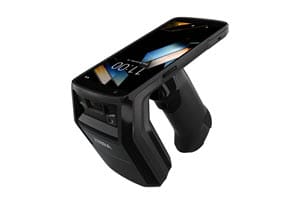
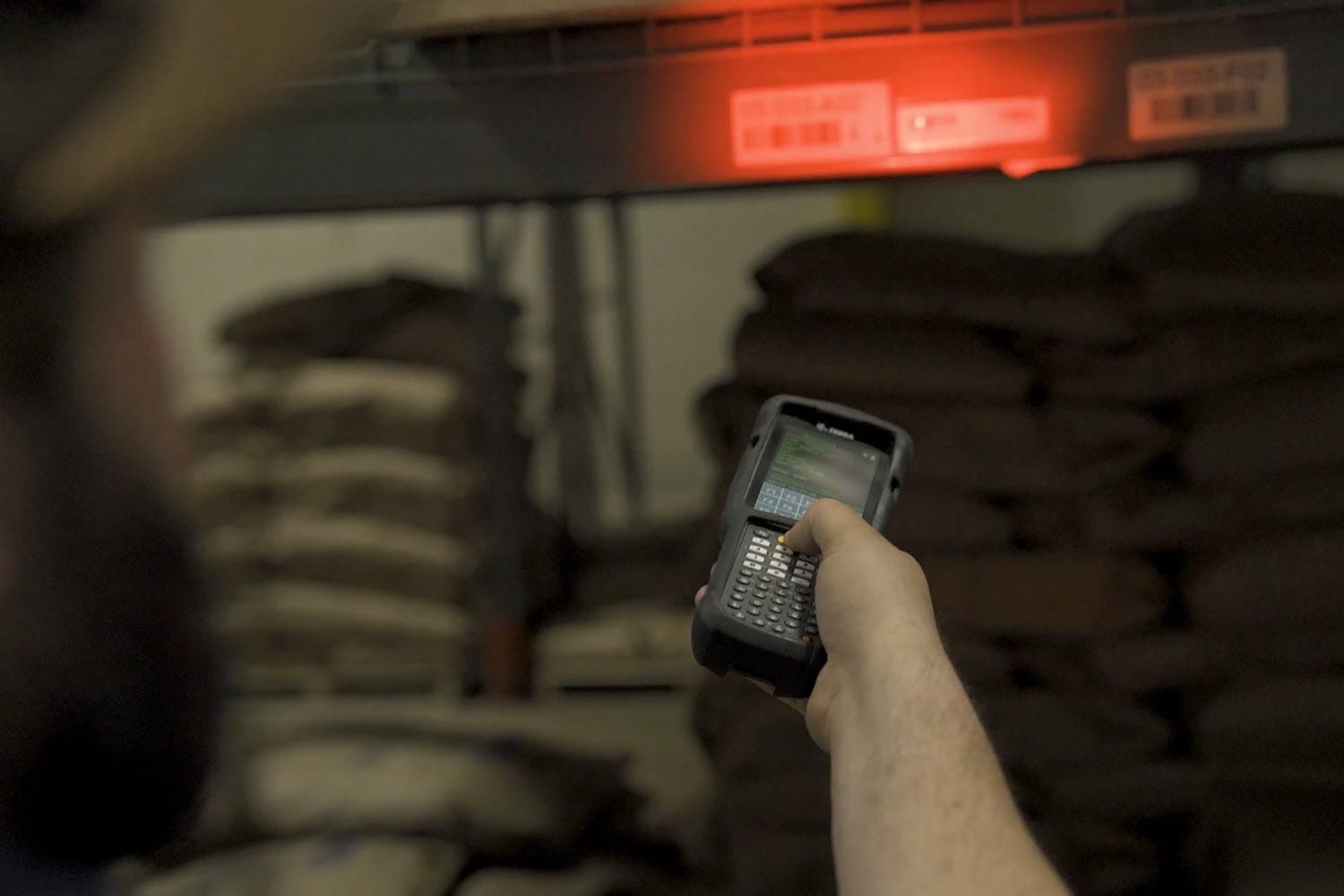
Zebra TC22R Handheld RFID Reader – Powerful mobile reader allows you to immediately begin scanning tags to evaluate readability. If desired, can be used in ‘constantly scanning’ mode to emulate a fixed RFID reader.
Tagmatiks AT Lite Software – Easy to use software which serves as the essential RFID middleware, collecting information from your RFID reader and preparing for your analysis and integration. Ideal for fast-tracking your proof of concept effort.
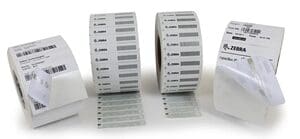
Pre-Encoded RFID Tags – Perfect for a quick-start and evaluation effort. Simply apply an RFID tag to the goods to be tracked.
Plus: (Optional) CSSI professional services. Our RFID engineers can assist you in setting up your RFID devices and software.
RFID is governed by radio-frequency physics, and your facility’s physics are unique. Metal racking, machinery, liquids, dense packaging, and product materials can all reflect or absorb RF energy. A tag that reads perfectly on a spec sheet or in a vendor demo may perform very differently on a steel part, a case of bottled product, or a tightly packed pallet.
A POC lets you test what actually matters:
Which tag types and inlays perform best on your products and packaging
Where on the item, case, or pallet the tag should be placed
How orientation and item density affect read rates
Whether you’re getting unwanted “stray” reads from nearby areas
This is the single most common reason RFID projects stall — and the single best reason to start with a POC. You want to discover tag readability issues when you’ve tagged a few hundred items, not a few hundred thousand.
2. It Validates Your Hardware Choices
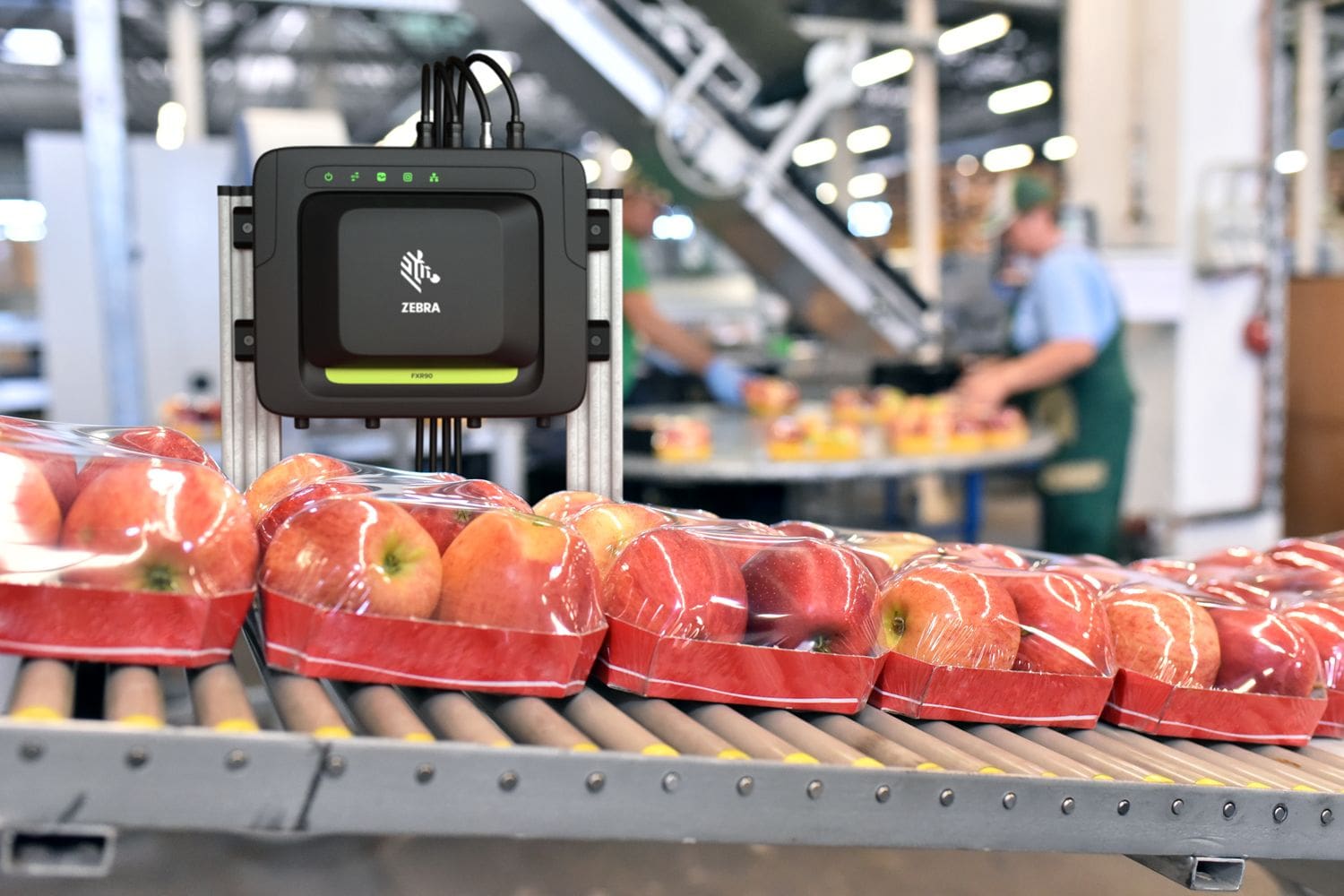
RFID hardware comes in many forms: fixed readers and antennas at dock doors or conveyors, portals, overhead readers, RFID-enabled handheld computers, and RFID printer-encoders for tagging items. The right mix depends on the workflow.
A POC shows you whether a handheld sled is enough for cycle counting in one zone, or whether a fixed portal is needed to verify outbound shipments. It also helps dial in antenna placement, power levels, and reader settings before you buy equipment at scale.
3. It Provides an Integration Reality Check
For IT leaders, the real question isn’t just “can we read the tags?” It’s “what happens to the data?” RFID can generate a large volume of read events, and that raw data needs to be filtered and translated into meaningful business events — received, moved, shipped — before it reaches your WMS, ERP, or MES.
A POC gives your team an early look at data volumes, middleware requirements, and integration points, without committing to a full integration project. You’ll walk away with a much clearer picture of the IT effort required for a production deployment.
4. It Builds the Business Case with Your Own Numbers
Industry ROI figures are helpful, but executives and finance teams want to see results from your operation. A POC produces real measurements you can take to leadership:
Read accuracy compared to your current barcode or manual process
Time required to complete a cycle count, receipt, or shipment verification
Reductions in errors, mis-ships, or search time
That evidence turns an RFID proposal from a technology request into a data-backed investment decision.
5. It Keeps Cost and Risk Low
Because a POC is limited in scope, the investment is modest — a small quantity of tags, a reader or two, a handheld, and the time to set up and evaluate. Much of that hardware can often be reused in a subsequent pilot. If results reveal a problem, you’ve learned it at minimal expense and can adjust tag selection, placement, or process design before moving forward.
6. It Earns Buy-In from the People Who Will Use It
Supervisors and frontline associates are more likely to embrace a new tool they’ve helped test. A POC gives them a voice early, surfaces practical concerns (Who applies the tags? When? What happens when a read fails?), and creates internal champions for the eventual rollout.
What Does an RFID POC Look Like?
A successful POC is deliberately narrow. The goal is to prove value in one place, clearly, and then build from there.
“Step 0”: Can You Read RFID Tags On Your Items?
The first and most important test is to determine how easy it is to read RFID tags on your items in your environment. A very low-cost and fast way to start is to acquire tags and a basic RFID reader, and test your ability to read tags once applied to your tracked items. Because RFID is impacted both by the composition of the tagged items and by the layout and objects contained in the environment, it’s hard to predict readability without testing. The results of this initial effort will indicate any challenges you need to overcome, whether with special tags or with more powerful antennas.
Step 1: Pick One Workflow or One Area
Choose a single workflow with a clear pain point and measurable outcome. Good candidates for manufacturing and warehousing include:
Receiving or dock door verification: Confirm inbound pallets or cases automatically as they pass through one dock door.
Cycle counting in one zone: Compare RFID handheld counts against manual or barcode counts in a single aisle or storage area.
WIP tracking on one production line: Track parts or totes as they move between a few stations.
Shipment validation: Verify that outbound orders contain the correct items before they leave one shipping lane.
Tool, fixture, or returnable container tracking: Monitor high-value or frequently lost assets in a defined area.
Step 2: Define Success Criteria Up Front
Decide what “success” means before testing begins. Examples include a target read rate, a target reduction in count time, or a maximum acceptable error rate. Clear criteria keep the POC objective and make the go/no-go decision straightforward for IT and operations alike.
Step 3: Assess the Site and Select Tags
Evaluate the physical environment — materials, layout, RF interference, and existing equipment. Then test several candidate tags on your actual products and packaging to identify the best performers and optimal placement.
Step 4: Install Hardware and Test in Real Conditions
Deploy a small set of readers, antennas, and/or handhelds in the chosen area. Test under normal operating conditions — real shifts, real product, real forklifts and conveyors — not just in a quiet corner or a conference room.
Step 5: Measure, Review, and Plan Next Steps
Compare results against your success criteria and your current process. Document what worked, what needs adjustment, and what a pilot or phased rollout would require in terms of hardware, integration, and process changes.
Most POCs of this kind can be completed in a matter of weeks rather than months, depending on scope and the number of tag and hardware variables being tested.
Common POC Pitfalls to Avoid • Testing only in a lab. Results in a clean test environment rarely match the warehouse floor or production line. • Scoping too broadly. Trying to prove every use case at once dilutes results and extends timelines. • Skipping success criteria. Without defined metrics, a POC becomes a demo instead of a decision tool. • Ignoring the data. Even if full integration isn’t part of the POC, plan how RFID events will eventually reach your business systems. • Leaving out end users. The people doing the work will spot process issues that engineers and IT might miss.
How CSSI Can Help
CSSI Technologies is a value-added reseller specializing in automatic identification and data capture (AIDC) solutions for manufacturing, warehousing, distribution, cold storage, and transportation and logistics operations. We help companies plan and execute practical RFID proof-of-concept projects — from site assessment and tag testing to hardware selection, configuration, and planning for integration with your WMS, ERP, or MES.
Working with leading manufacturers such as Zebra Technologies and Honeywell, we help you choose the right RFID readers, handhelds, printer-encoders, and tags for your environment, and we’ll help you define success criteria that matter to both IT and operations.
Ready to find out what RFID can do in your facility?Contact CSSI to discuss an RFID proof of concept for one workflow or one area of your operation.
FAQ – Frequently Asked Questions About RFID Proof-of-Concept Projects
Q: What is an RFID proof of concept? A. An RFID proof of concept is a small, time-boxed test of RFID technology in your actual facility. It typically focuses on one workflow or one area and is measured against predefined success criteria, such as read rate or time savings, to confirm that RFID will work before a larger investment.
Q: How long does an RFID POC take? A. Most focused RFID POCs can be completed in a matter of weeks. The timeline depends on the scope, the number of tag types and hardware configurations being tested, and how quickly results can be measured against your current process.
Q: Why is tag readability such an important part of an RFID POC? A. RFID performance is affected by metal, liquids, packaging density, tag placement, and orientation. Because every facility and product mix is different, testing tag readability on your own items and in your own environment is the most reliable way to avoid costly surprises during a full rollout.
Q: What is the difference between an RFID POC and an RFID pilot? A. A POC proves the technology can meet your requirements under real conditions, usually with minimal system integration. A pilot runs the proven solution in live production for a longer period, typically with integration into your WMS, ERP, or MES and trained end users.
Q: Which workflow should we choose for our first RFID POC? A. Choose a workflow with a clear pain point and measurable results, such as dock door receiving, cycle counting in a single zone, WIP tracking on one production line, shipment validation, or tool and returnable container tracking.
Q: Does an RFID POC require integration with our WMS or ERP? A. Not usually. Most POCs focus on proving read performance and process fit, with limited or no integration. However, a good POC should still evaluate data volumes and integration requirements so IT can plan for a production deployment.