Non-Incendive Mobile Computers & Tablets – What Makes Them Different?
What is Special About Non-Incendive Mobile Computers and Tablets?
For certain usage environments and industries, ‘standard’ rugged mobile computing devices will not suffice. For hazardous environments, there is a special category of intrinsically safe computing devices which must be used in order to operate safely. Learn more about these operating environments and how CSSI can help with suitable rugged mobile devices.
What Makes an Environment Hazardous?
Hazardous locations are those where an ignitable concentration of flammable substances (such as gases, vapors, dusts, or fibers) is present either continuously, intermittently, or under abnormal conditions. These atmospheres can turn ordinary electrical sparks or high surface temperatures into dangerous ignition sources.
Examples of hazardous environments include:
Oil and gas refineries – where hydrocarbon vapors are common.
Chemical processing plants – with solvents and volatile compounds in the air.
Pharmaceutical manufacturing – involving ignitable concentration of powders or fine particulates.
Grain handling and milling operations – where dust clouds can be explosive.
Paint shops or spray-coating facilities – where flammable mists are present.
Regulatory frameworks like the National Electric Code (NEC) in the U.S. or ATEX directives in Europe define hazardous locations by classes, divisions, and zones, depending on the type of material present and how frequently it exists in ignitable concentrations.es, depending on the type of material present and how frequently it exists in ignitable concentrations.
How Are Mobile Computers Made Non-Incendive?
A non-incendive device, also referred to as intrinsically safe, is one designed for safe operation in hazardous environments by ensuring that under normal operating conditions, it cannot release sufficient electrical or thermal energy to ignite a flammable atmosphere .
Key Design Differences to Achieve Non-Incendive Certification:
Electrical Energy Limitation
Circuits are engineered to keep voltage and current levels below ignition thresholds. This prevents sparks from having enough energy to ignite a gas or dust cloud.
Surface Temperature Control
Components are designed and tested to ensure that their surface temperature never exceeds the ignition temperature of surrounding flammable materials.
Sealed or Reinforced Construction
Casings are ruggedized to prevent ingress of fibers, dust or vapors and to ensure that any internal faults don’t expose dangerous sparks.
Certification and Testing
Non-incendive mobile computers undergo certification through recognized standards bodies such as UL, IECEx, or ATEX . Certification ensures compliance with safety limits for operation in specific classes/divisions/zones.
Battery and Power System Safeguards
Since the battery is a potential ignition source, non-incendive models include specialized power management and containment systems that mitigate risks of overheating or short circuits.
Why Non-Incendive Mobile Computers Matter
For workers in hazardous locations, safety is paramount. A standard mobile computer might offer all the functionality needed for scanning, data entry, and wireless communication—but if it risks sparking an explosion, it cannot be used. Non-incendive mobile computers bridge this gap, providing rugged, full-featured computing power with the critical safety certifications required to keep both workers and facilities secure when working in a hazardous area.
Several Examples of Non-Incendive Computers Available from CSSI
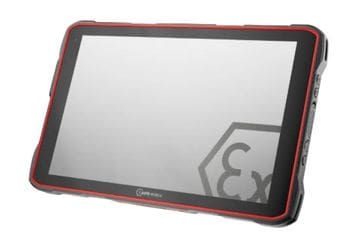
The i.safe Mobile IS945.1 is a non-incendive rugged tablet PC rated for use in Class I, Div 1 and ATEX Zone 1 and Zone 0 hazardous environments.
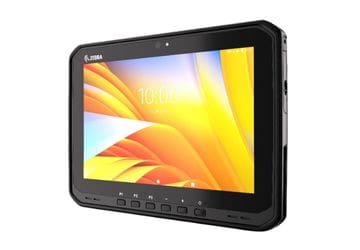
The Zebra ET60 is a rugged tablet certified for hazardous environments requiring Class I, Div 2 certification.
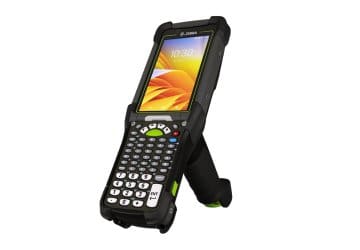
The Zebra Technologies MC9400 is an ultra-rugged Android mobile computer with configurations suitable for use in a Class I, Div 2 hazardous area.
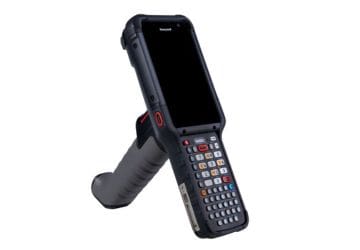
The Honeywell CK67 handheld computer is an Android device with configurations available for use in CID2 non-incendive / ATEX areas.
CSSI Can Help You Select and Test Non-Incendive Mobile Computers & Tablets
FAQ – Frequently Asked Questions About Non-Incendive Mobile Computers
Q: What does “non-incendive” mean for a mobile computer or tablet? A. A non-incendive device is engineered so it cannot release enough electrical or thermal energy to ignite a flammable atmosphere under normal operating conditions. Manufacturers achieve this through current and voltage limitation, surface temperature control, sealed and reinforced casings that keep out dust, fibers, and vapors, and specialized battery systems designed to prevent overheating or short circuits. Devices are then tested and certified by bodies such as UL, IECEx, or ATEX before they can carry a non-incendive rating.
Q: Is a non-incendive rating the same as intrinsically safe or explosion-proof? A. These terms are related but not interchangeable, and the rating a device carries determines where it can legally be deployed. Hazardous location classifications are defined by frameworks like the National Electric Code (NEC) in North America and the ATEX directive in Europe, which break locations down by class, division (or zone), and gas/dust group. A device rated for Class I, Division 1 or ATEX Zone 0/Zone 1 is built for locations where hazardous concentrations are present continuously or frequently, while a Class I, Division 2 rating covers locations where hazardous concentrations are only present under abnormal conditions. Businesses should confirm the specific classification of their facility before choosing a device, since a Division 2-rated computer is not automatically suitable for a Division 1 environment.
Q: Which industries and work environments typically require non-incendive devices? A. Any facility with ignitable concentrations of flammable gases, vapors, fibers, or combustible dust is a candidate. Common examples include oil and gas refineries, chemical processing plants, pharmaceutical manufacturing, grain handling and storage operations, and paint shops or spray-coating facilities. In these settings, standard consumer or even standard rugged devices pose a genuine ignition risk and should not be used.
Q: What should we look for when evaluating a non-incendive mobile computer or tablet? A. Start with the hazardous location classification your facility actually requires (class, division or zone, and gas/dust group), then match that to a device’s certification rather than assuming any “rugged” or “industrial” label is sufficient. Beyond certification, consider operating system (Windows vs. Android), display readability and durability for the environment, battery and power management design, and compatibility with your existing warehouse or plant systems (WMS, MES, or similar). Examples which are available through CSSI today include the i.safe Mobile IS945.1 (Class I, Division 1 and ATEX Zone 0/1), and Class I, Division 2-rated options such as the Zebra ET60, Zebra MC9400, and Honeywell CK67.
Q: How do we make sure the device we choose is properly certified for our facility? A. CSSI is an expert in rugged mobile devices and appropriate intrinsically safe computer options. We can help you to verify the exact classification of your work area and match it to a device’s tested and certified rating. A proof-of-concept evaluation in your actual environment is also a reliable way to confirm a device performs as expected before a full rollout.