Thermal Transfer Printers vs. Direct Thermal Printers: Which Is Right for Your Business?
If you are new to buying label or receipt printers, you will first need to determine the type of printer which is best suited for your application. Thermal printing technology has long been a favorite for businesses requiring fast, reliable, and high-quality printing solutions. But there are 2 different methods used… when deciding between thermal transfer printers and direct thermal printers, it’s essential to understand their differences, applications, and cost implications to make the right choice for your needs.
What’s the Difference: Thermal Transfer vs. Direct Thermal Printers?
Both thermal transfer and direct thermal printers rely on heat to produce images, but they use different methods and materials:
Thermal Transfer Printing
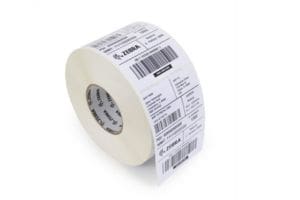
A thermal transfer printer uses a thermal ribbon coated with wax or resin. Heat transfers the ink from the thermal transfer ribbon onto the label or substrate, creating a durable print. Thermal transfer printing offers excellent resistance to fading, smudging, chemicals, and environmental conditions. Overall print quality can be excellent, and a thermal transfer print label can remain intact for years. A thermal transfer label printer can print on various media types, including paper, polyester, and polypropylene.
Direct Thermal Printing
A direct thermal label printer uses heat-sensitive media that darkens when heated, eliminating the need for ink, toner, or ribbon. Printed direct thermal items are less resistant to heat, direct sunlight, and abrasion, typically lasting 6–12 months before fading. Direct thermal label printers work exclusively with specialized thermal paper. There is no thermal printhead to replace.
Why Choose One Over the Other?
The choice between these label printer technologies depends on your business’s specific needs:
Choose Thermal Transfer Printing If You Need:
Choose Direct Thermal Printing If You Need:
Long-lasting, durable prints.
Simplicity and minimal maintenance (no ribbons to replace).
Labels that can withstand extreme temperatures, moisture, or exposure to chemicals.
A cost-effective solution for short-term labeling.
Versatility in printing on different materials.
High-speed printing for time-sensitive tasks.
Typical Applications for Thermal Printers
Thermal transfer printers are the go-to for industries requiring longevity and resilience in their printed labels. Examples include:
Manufacturing: Barcode labels for inventory, equipment, and raw materials.
Healthcare: Patient wristbands, medical equipment labeling, and pharmaceutical packaging.
Retail: Product labels, shelf tags, and branding on flexible packaging.
Common Applications for Direct Thermal Printers
Direct thermal printers are designed for short-lived applications that prioritize simplicity and speed. Common use cases include:
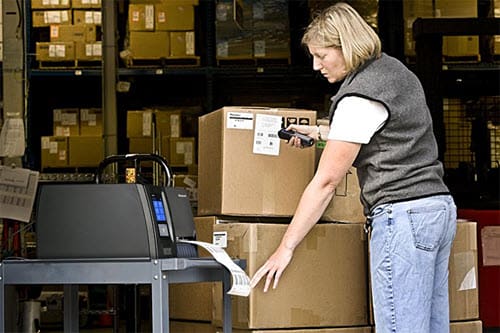
Logistics & Shipping: Shipping and mailing labels for packages.
Retail: Receipts and price tags.
Event Management: Temporary event badges or tickets.
Are There Cost Differences in Print Media?
Yes, there are notable differences in media costs for these two label printing technologies:
Thermal Transfer Media:
Direct Thermal Media:
Requires both a ribbon and a compatible label or substrate, which adds to the material cost.
Uses only heat-sensitive paper, making it initially less expensive.
However, the durability of prints reduces the need for reprinting, offering better long-term cost efficiency for permanent labeling.
Prints are prone to fading or damage, potentially increasing costs if reprinting is necessary.
Pro Tip: When calculating costs, consider not only the media expenses but also maintenance and reprinting frequency.
Ready to Evaluate Thermal Label Printers? CSSI Can Help
Thermal and direct thermal printers each bring unique benefits and limitations. For businesses requiring robust, long-lasting labels, thermal transfer printers are the ideal choice for printing labels. On the other hand, direct thermal printing technology shines in applications needing fast, temporary, and cost-effective solutions for printing receipts.
The team at CSSI are experts in direct thermal as well as thermal transfer printers. CSSI is an authorized dealer for all of the industry leading printer manufacturers and can help you evaluate, select, and deploy thermal printers in your operation. Contact CSSI to discuss thermal printers for labels, receipts, and more.
FAQ – Frequently Asked Questions About Thermal Transfer Printers vs. Direct Thermal Printers
Q: What’s the basic difference between direct thermal and thermal transfer printing? A. Direct thermal printers use chemically treated label stock that darkens when heat is applied directly by the printhead — no ribbon involved. Thermal transfer printers use a heated printhead to melt wax- or resin-based ink from a ribbon onto the label. The extra step (and consumable) is what gives thermal transfer its durability advantage, while direct thermal keeps things simpler and cheaper for shorter-lived labels.
Q: Which technology holds up better in cold storage, outdoor, or industrial environments? A. Thermal transfer is the better fit. It resists moisture, chemicals, UV exposure, extreme temperatures, and abrasion, making it well suited to cold storage facilities, outdoor yards, and manufacturing floors where labels face grease, freezer condensation, or direct sunlight. Direct thermal labels are prone to fading and degrading under heat or light, so they’re best reserved for indoor, climate-controlled settings.
Q: If we’re mainly printing shipping labels, does the extra durability of thermal transfer matter? A. Usually not. Shipping labels, inventory tags, and visitor passes typically only need to stay legible for days or weeks — well within direct thermal’s useful life of under six months. For these short-lifecycle, high-volume applications, direct thermal’s lower operating cost (no ribbon to buy or replace) generally makes it the more economical choice.
Q: Where does thermal transfer make more sense despite the added ribbon cost? A. Anywhere a label needs to survive long-term or harsh handling: asset tags, equipment and facility ID, wire and cable labeling, hazmat and lockout-tagout labels, and any application requiring color or fine barcode detail. The ribbon adds a recurring cost, but it’s offset by fewer reprints and label failures over the life of the asset — an important consideration for warehousing and manufacturing operations tracking equipment over years, not weeks.
Q: How should we decide which printer and label type fits our operation? A. Start with how long each label needs to stay accurate and readable, and where it will live. If labels are short-term, indoor, and high-volume — shipping, receiving, temporary inventory tags — direct thermal keeps costs down. If labels need to survive months or years in cold storage, outdoors, or around chemicals and heavy handling — asset tracking, equipment ID, hazmat labeling — thermal transfer is worth the added ribbon expense. Many operations run both, matching the technology to the application rather than standardizing on one printer type across the board.