It’s important to think of RFID as a system, rather than simply as discrete components such as an antenna or an RFID tag. Successful RFID (radio frequency identification) projects consider each necessary aspect of the system, any one of which could otherwise become a weak link which causes failure.
RFID tags are useless on their own, as are antennas or handheld readers. And without middleware to ingest and process tag data, any information provided by your tags may be unusable.
We created this brief overview describing the important components of most RFID systems.
Critical Elements of an RFID System
Your RFID Consultant is an essential part of your RFID success plan! A knowledgeable expert from CSSI will provide technical support and help you navigate the mix of tag testing, hardware selection, software, and process definition needed to achieve a successful RFID implementation.
RFID Tags (or RFID labels) are the simplest yet most critical element of your project. You must ensure that tags can be successfully read within your environment – this is affected by your choice of passive RFID tags or active RFID tags, and also by the nature of the item you are tracking and its environment.
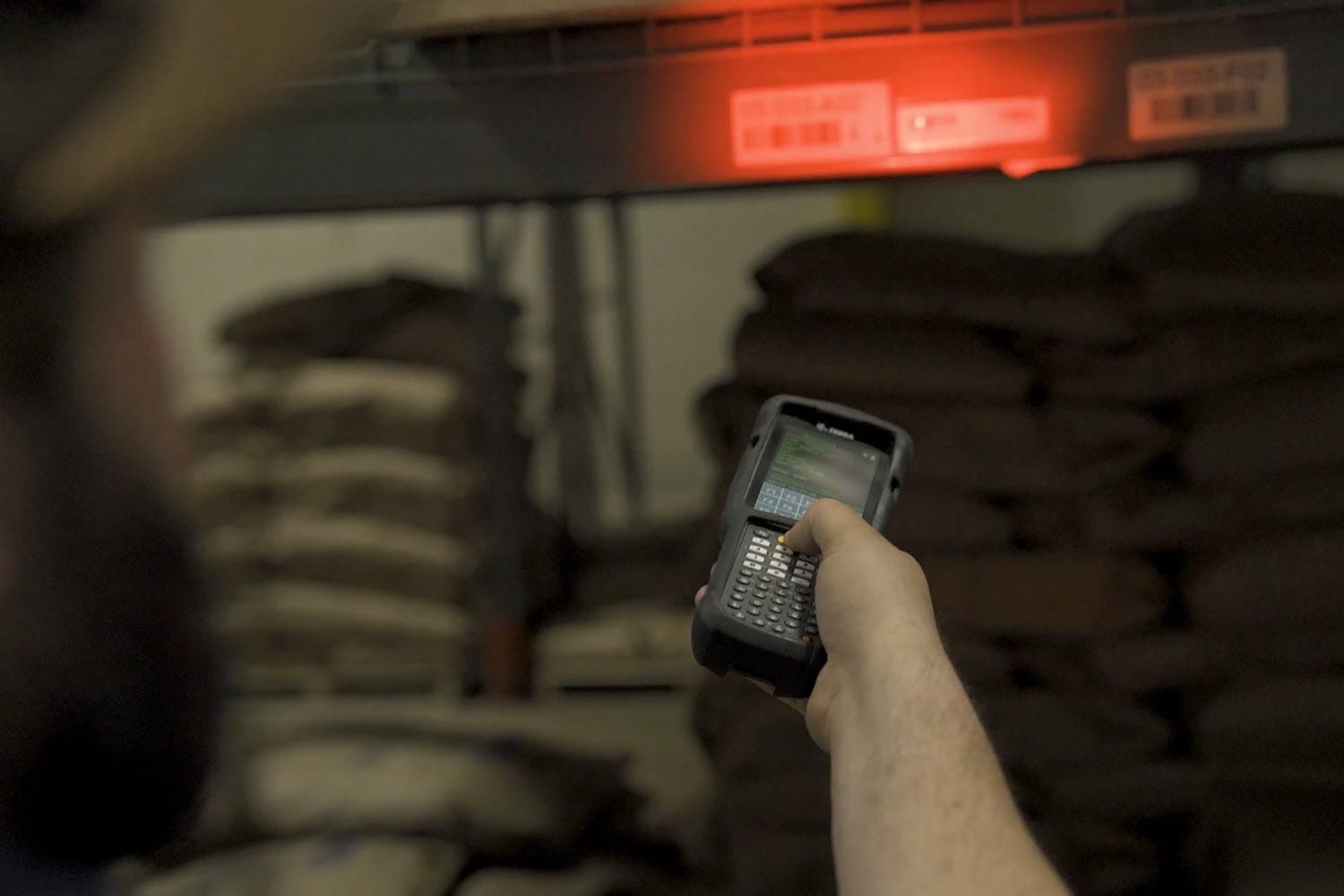
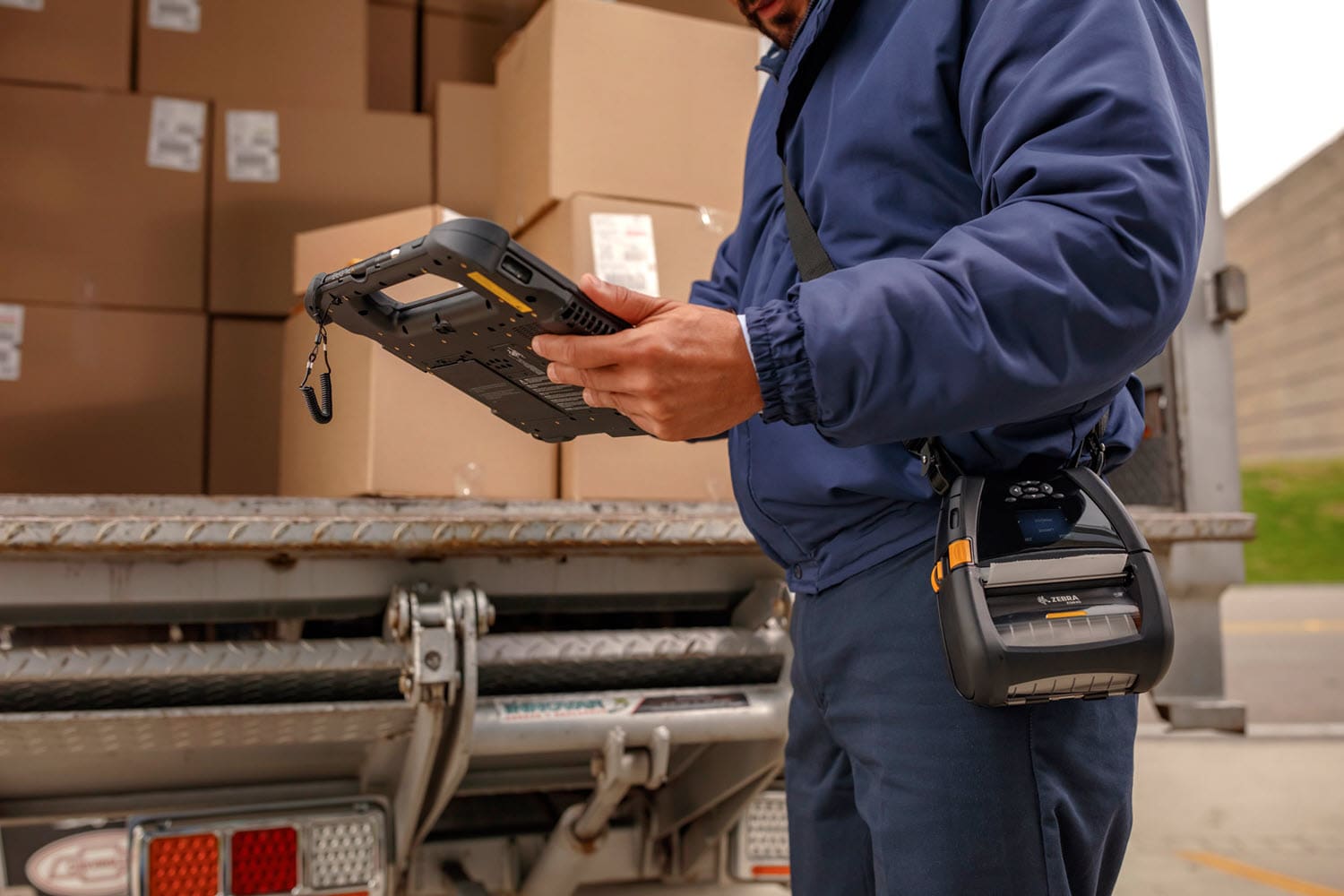
RFID Reader – Handheld: Handhelds are ideal for locationing and search type applications such as RFID asset tracking. Users can carry the handheld with them to scan for desired tags.
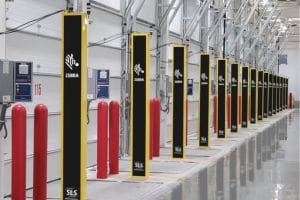
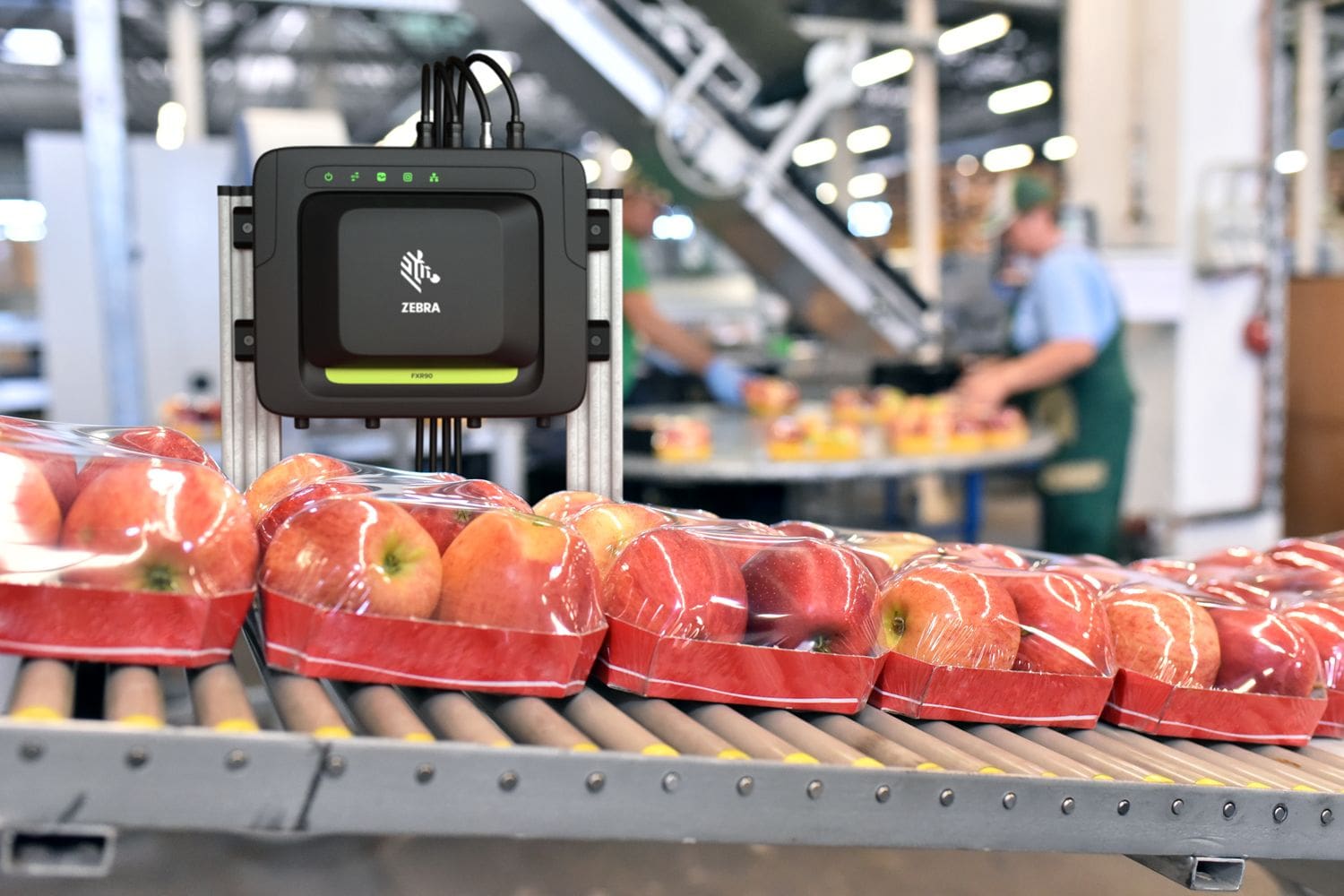
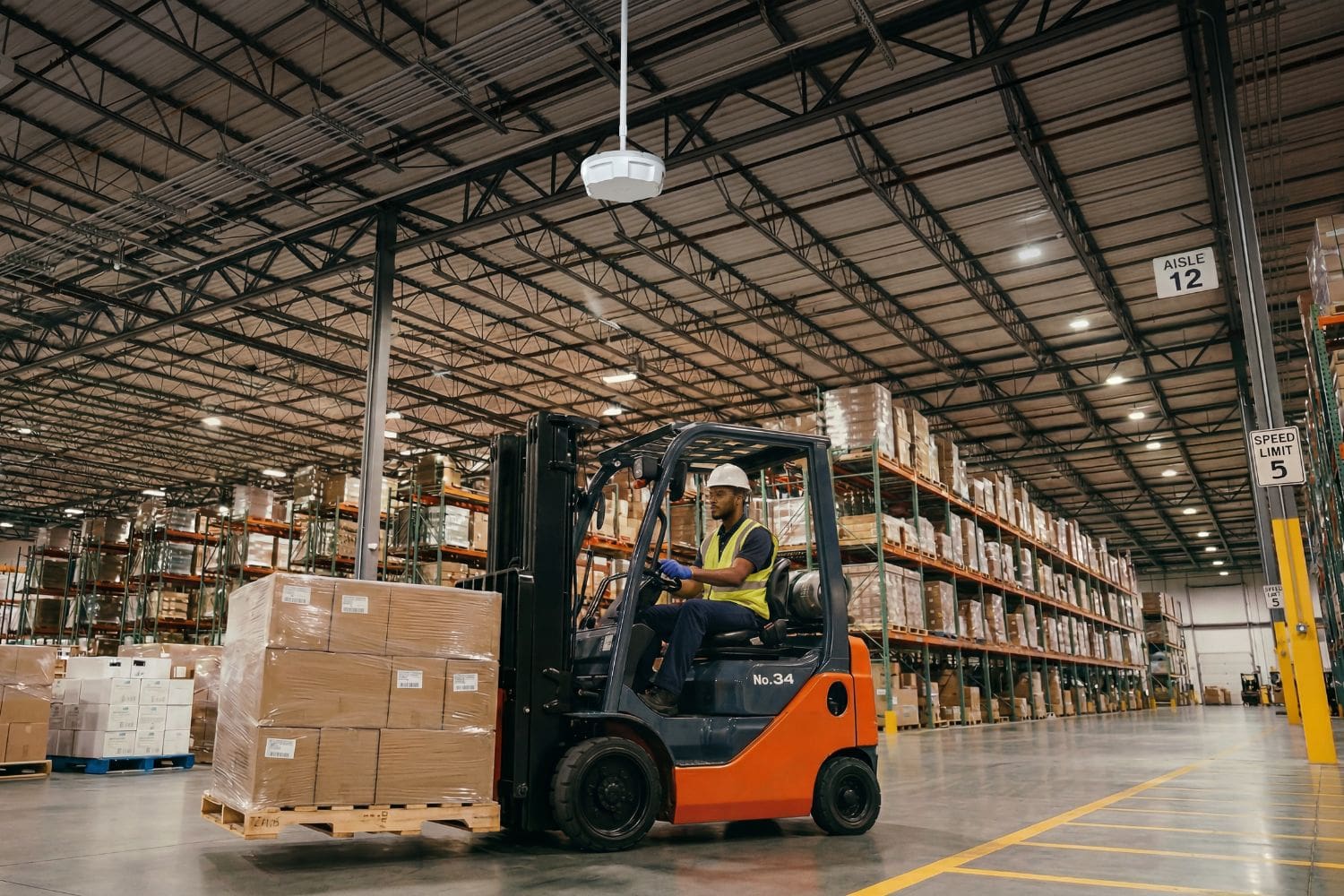
RFID Readers – Fixed: Are utilized in applications where passive background reading is desired, either at a portal or within a certain area. Readers control RFID antennas, which will be configured and angled to achieve desired read range.
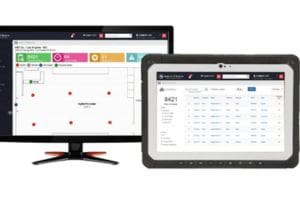
RFID Middleware (software) is the critical base station… software which ingests data from the RFID readers, and presents it in a way which enables you to make business decisions. This RFID application can be an end-destination for your data, or can be configured to connect with your ERP or inventory system.
ERP or Inventory System Integration enables you to import and export data to your middleware. This enables you to update your inventory, or add critical location and count information in your system of record.
RFID Printer: Necessary when you intend to print RFID labels on-demand in your facility. This enables you to print unique and changing data to the RFID tag. (You can also purchase pre-printed passive RFID tags from outside sources if there is not a need to make adjustments to tag content).
Your Defined Process is critical… RFID technology is at heart just another method of data capture. Having a well thought-out process will enable you to create reliable and repeatable results. We put this last on our list, but it really should be the first item you address, as it will benefit you regardless of the method of data capture.
More Content on RFID Systems and RFID Technology
If you found this overview helpful, you may wish to check out some of our other RFID technology content:
Do you have a great potential RFID application within your business? Our team at CSSI would love to speak with you about your project. We can help you reach your end goal faster. Please contact us to discuss RFID today.
FAQ – Frequently Asked Questions About Getting Started with RFID
Q: We already use barcodes. What does RFID do that barcode scanning can’t?
A. Barcodes need a direct line of sight and are scanned one at a time. Passive UHF RFID tags can be read without line of sight, through cartons and shrink wrap, and many at once. A single pass of a handheld reader, or a pallet rolling through a dock-door portal, can capture dozens or hundreds of tags in seconds. That makes RFID a good fit for cycle counts, receiving and shipping verification, and tracking returnable containers or assets. Most operations keep using barcodes alongside RFID, and many RFID labels carry a printed barcode as a backup.
Q: Should we use passive or active RFID tags?
A. Most warehouse and distribution applications use passive UHF tags. They have no battery, cost little, and read reliably from a few feet up to roughly 30 feet depending on the reader and antenna. Active tags carry their own battery and transmit over much longer distances, which suits high-value assets, yard management, or real-time location tracking. They cost far more per tag and need battery maintenance. If you’re tracking cases, pallets, or inventory, passive is almost always where to start.
Q: Why do our products and environment matter so much when choosing tags?
A. Radio signals behave differently around different materials. Metal reflects RF energy and liquids absorb it, so a standard label that works on a cardboard case may fail on a steel drum or a bottle of product. Cold storage, freezers, condensation, and rough handling also affect adhesives and read performance. This is why tag testing on your actual products, in your actual facility, should come before any purchase. Specialty tags exist for most of these problems, including on-metal tags, freezer-grade adhesives, and ruggedized hard tags.
Q: Which parts of an RFID system will we need, and how do they work together?
A. A working system usually includes:
Tags or labels on the items you want to track
An RFID printer to encode and print labels on demand
Handheld readers for searching, locating, and cycle counting
Fixed readers and antennas at dock doors, conveyors, or portals for automatic reads
Middleware to filter raw read data into meaningful events
An integration that passes those events to your WMS, ERP, or inventory system
None of these pieces delivers value alone. The software and integration layer is what turns tag reads into updated inventory records and business decisions.
Q: What is the best way to get started without taking on too much risk?
A. Begin with a clearly defined problem, such as slow cycle counts, shipping errors, or lost returnable assets, and map the current process before choosing hardware. Next, run a focused pilot in one area or on one workflow. Test tags on real products, confirm read rates, and measure results against your baseline. A pilot shows you the ROI, surfaces integration issues early, and gives you a proven model to scale across the facility. Working with an experienced RFID partner through site assessment, tag testing, and integration can save a lot of trial and error.