What To Know About Major Retailer RFID Source Tagging Mandates
Walmart Requires More Suppliers to Utilize RFID Tags
The retail world is buzzing, as once again, Walmart has imposed an RFID tagging mandate on a broad swath of suppliers. In order to better control and maintain visibility of inventory, Walmart is requiring many of its customers to ship products which are RFID-tagged. (https://www.arkansasonline.com/news/2022/feb/12/walmart-expands-rfid-tag-system/).
Why the mandate? Walmart is eyeing the 25% improvement in inventory accuracy and 10-15% reduction in labor hours required for counting items (per McKinsey). In this age of labor shortages and rising wages, those reductions will surely benefit Walmart’s operation.
Impact for Manufacturers Sold Through Retail Chains
Obviously, affected Walmart suppliers who have not already begun their RFID journey, will need to climb on board. And some who have a toe in the water may have to accelerate their pace. CSSI can help you with RFID consulting and guidance.
How RFID Tagging Can Be a Win-Win For Manufacturers
Here’s the best news: as an affected Walmart supplier or manufacturer, you should not look at this RFID mandate as a new expense or burden. Instead, you should see it as an opportunity to improve the efficiency of your own operations, and reduce your costs.
Some of the RFID benefits for the supplier or manufacturer include:
Improved visibility on the movement and location of inventory — near-real-time data can help you to reduce or eliminate costly stock outages.
Tagging product at the source provides you with valuable data for the product’s entire lifecycle, and when suitable, can provide track-and-trace data.
Eliminate or dramatically reduce expensive manual inventory counts, freeing resources for more productive pursuits.
CSSI Can Help with Your RFID Implementation
CSSI can support you with the complete solution you’ll need to meet these requirements:
FAQ – Frequently Asked Questions About RFID Source Tagging Mandates by Major Retailers
Q: Which major retailers are requiring suppliers to use RFID tags, and how long has this been going on?
A. Retailer RFID mandates aren’t new. Walmart was one of the first, starting in the early 2000s by requiring its top 100 suppliers to tag cases and pallets, and it has expanded its RFID program since then. Target started an RFID initiative around 2015, beginning with apparel and home goods and adding categories and suppliers over time. Macy’s set a goal of tagging every item in certain categories, mostly fashion, by 2016. Zara’s parent company, Inditex, tags merchandise during manufacturing so it can be tracked from the warehouse to the store floor. Decathlon has worked toward tagging its full product range worldwide. For suppliers, the takeaway is that RFID has moved past pilot programs and is now a normal requirement for doing business with large retailers.
Q: What type of RFID tags and equipment will our operation need to comply?
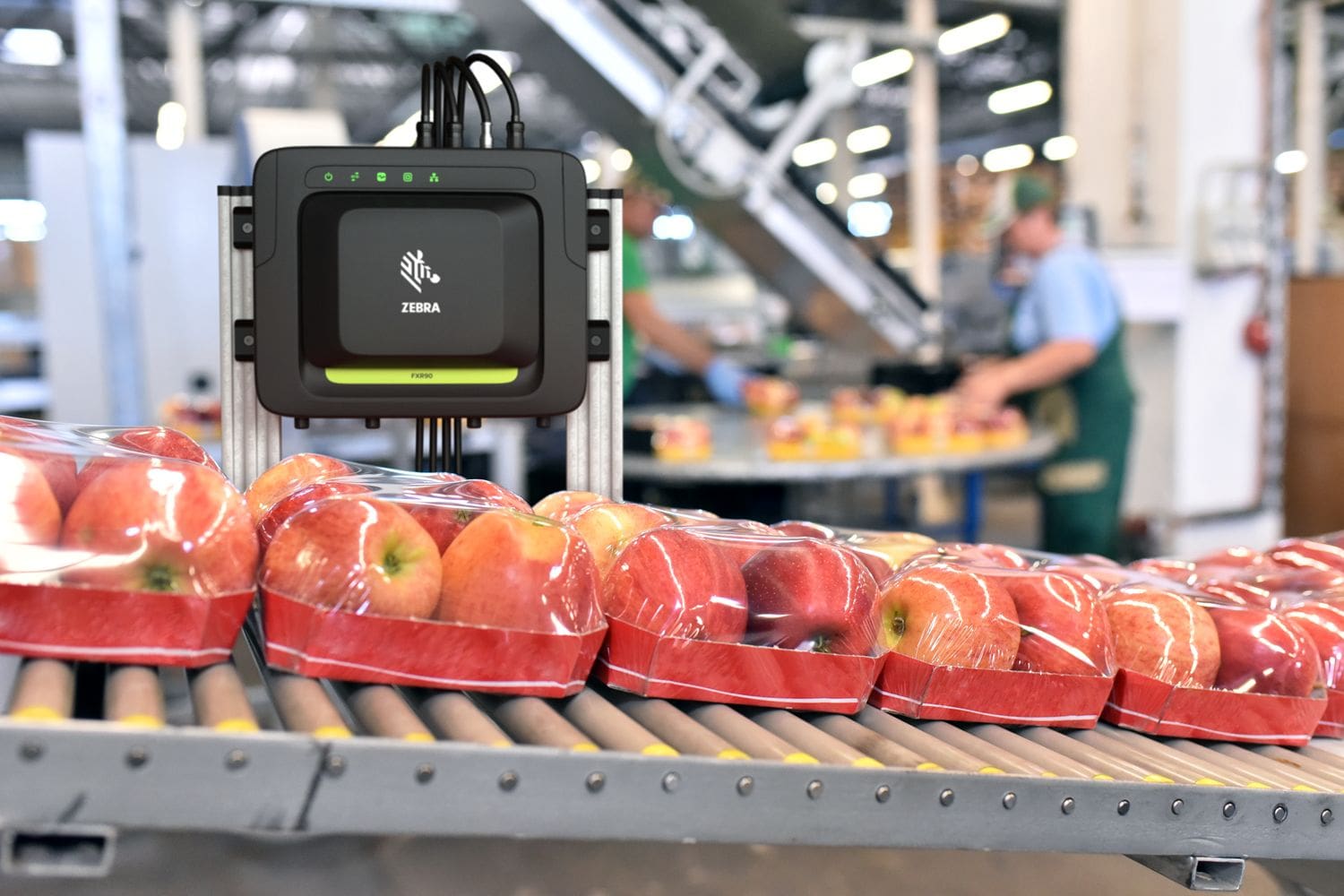
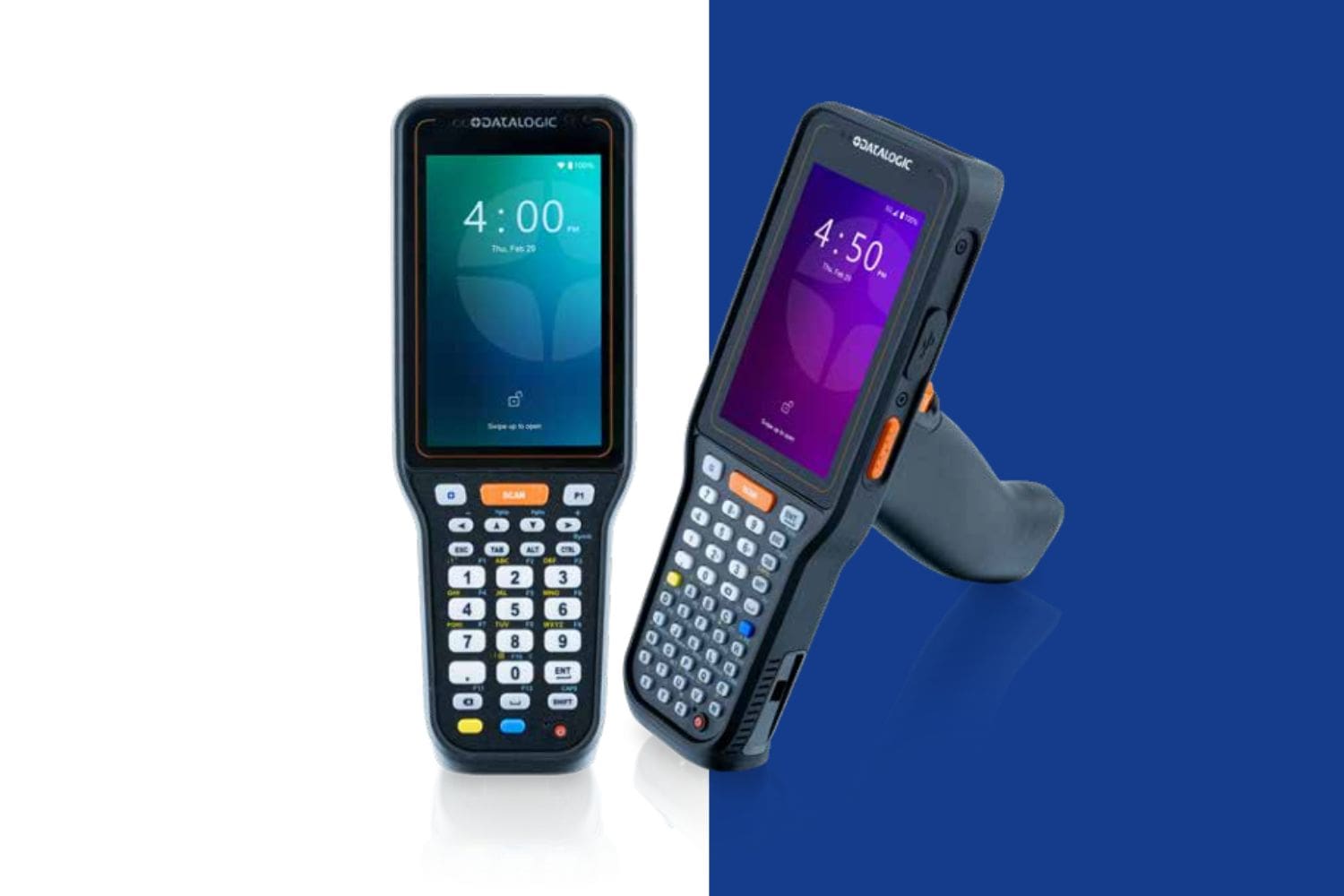
A. Most retail item-level and case-level tagging uses passive RFID tags. These tags have no battery and are powered by the signal from an RFID reader, which keeps them small and cheap enough to put on individual products. Active tags have their own battery and a much longer read range, so they’re usually saved for larger assets like shipping containers and equipment. You’ll also need RFID readers, either fixed or handheld, to read and verify tags, plus software that connects the RFID data to your existing ERP and inventory management systems. Each retailer may set its own rules for what data goes on the tag and where the tag is placed, so get each customer’s written specifications before you choose tags or encoding methods.
Q: How should we approach implementation without disrupting day-to-day warehouse and distribution operations?
A. A phased approach works best. First, assess your current inventory systems to see whether they can support RFID as-is or need upgrades. Next, choose technology partners for tags, readers, and software, and make sure the solution integrates cleanly with your ERP. Then confirm each retailer’s specific requirements and deadlines so nothing is missed. Before rolling out across the whole operation, run a pilot on one product line or category. This lets you test your tagging process, measure accuracy gains, and fix problems at a small scale. Finally, train your staff on tagging, reader use, and basic troubleshooting, and set up a support relationship with your vendor so problems get solved quickly once the program is live.
Q: What will RFID compliance cost, and how can we keep those costs under control?
A. Total cost goes well beyond the tags themselves. A realistic budget includes tags, readers, software, integration work, staff training, and any changes to operational workflows. To control spending, buy tags in bulk for better unit pricing, get quotes from several technology providers, and ask your retail partners whether they offer supplier incentives or support programs. A pilot project is also a cost-control tool, because it shows where processes can be streamlined before you commit to a full deployment. Also plan for keeping your readers and other RFID hardware maintained and performing well over time, since equipment downtime can quickly turn into compliance problems.
Q: Beyond meeting retailer requirements, what operational benefits can we expect from RFID?
A. RFID can pay for itself in your own operation, not just on your customers’ receiving docks. Tags can be read without a direct line of sight, even through packaging, and many tags can be read at once. Shipping, receiving, and cycle counts get much faster than scanning one barcode at a time. You get real-time inventory updates and better accuracy, less manual labor, and fewer picking and shipping errors. All of this improves supply chain visibility and product availability. Looking ahead, RFID data increasingly feeds AI-driven analytics, and newer, more durable tags handle products that used to be hard to tag, such as metal items and liquids. That makes the infrastructure you build for compliance a foundation for future gains in efficiency and transparency.