Top 6 Applications for Barcodes in Warehouse and Manufacturing
Enhance Operational Efficiency and Reduce Errors with Barcode Scanners
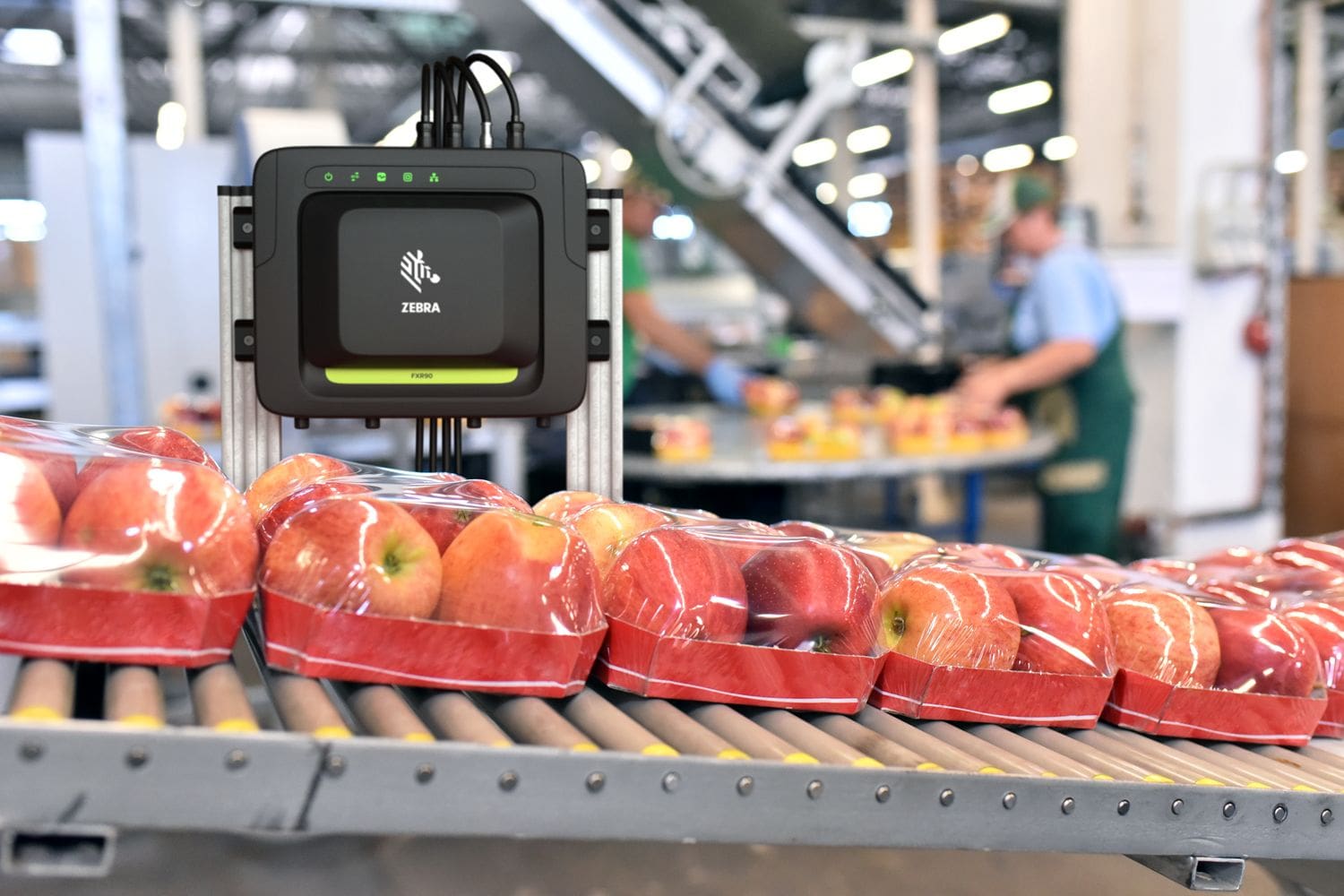
The barcode scanner has become an indispensable tool in warehouse and manufacturing environments, revolutionizing the way businesses manage and track their inventory. The use of the barcode reader offers numerous benefits, including increased accuracy, efficiency, and reduced human errors. Any manual data collection system will never rival the speed and reliability of automated data collection through a barcode scan.
While many companies make use of barcode labels, they may not take full advantage of the technology for all the workflows where it can be helpful. Also, some companies still rely on manual data collection (pen and paper) for key business processes. We’d like to explore the top six applications for barcodes in manufacturing and warehouse applications, and also discuss some of the hardware necessary to create an effective barcode scanning solution. CSSI Technologies is an expert in barcode scanning and mobile computing technologies as well as barcode software. We can help you further explore and implement any of these workflows.
1. Inventory Management
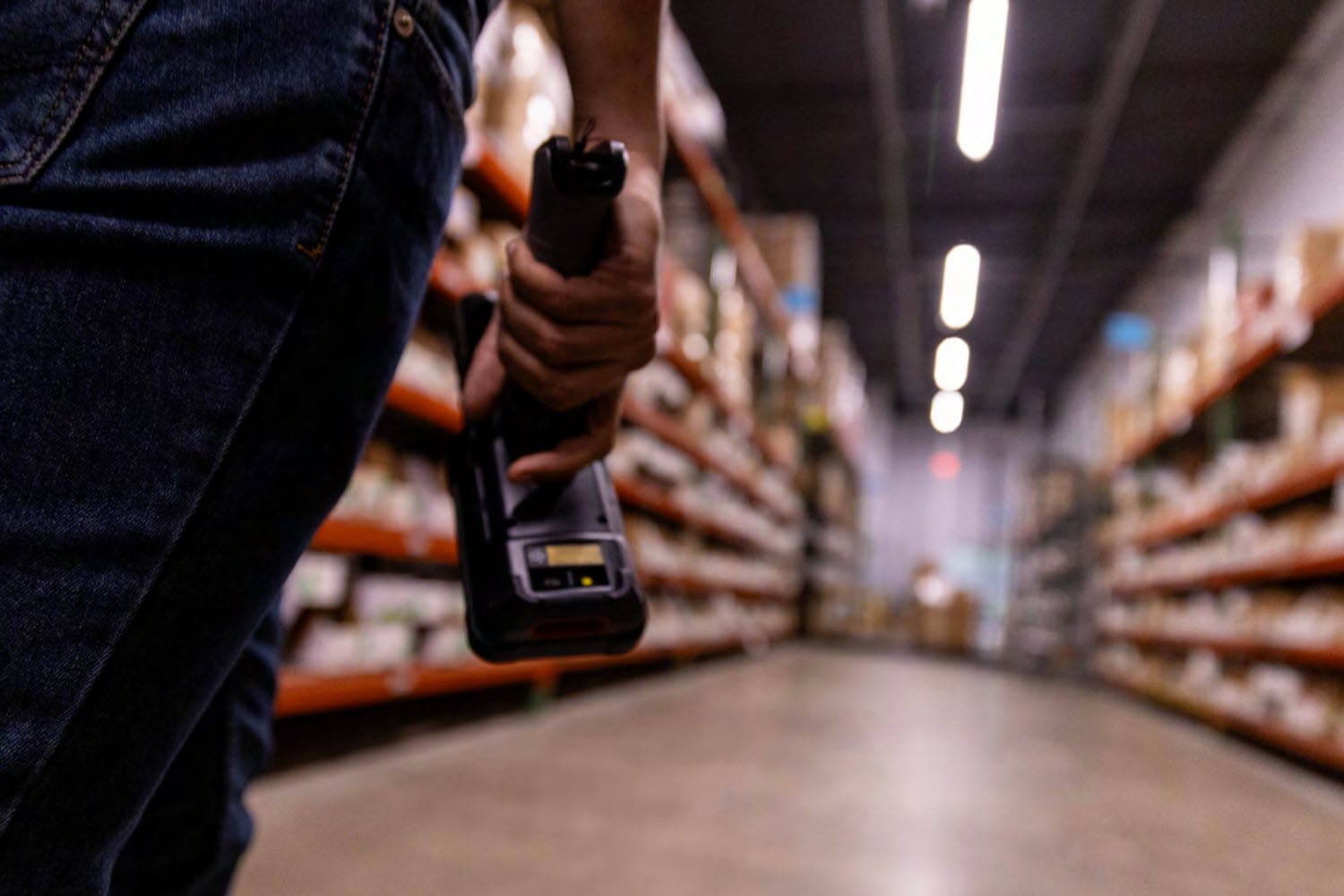
Barcodes play a pivotal role in streamlining inventory management processes. Inventory items are assigned a barcode, allowing for quick and accurate tracking of stock levels. Barcode scanners can effortlessly scan items during receiving, picking, and shipping, providing real-time updates on the accurate inventory level. This not only minimizes errors but also ensures that the right products are in the right place at the right time. Improved inventory control has multiple benefits: more efficient labor operations, less lost inventory, and more inventory tracking accuracy which results in higher sales and the ability to turn inventory faster.
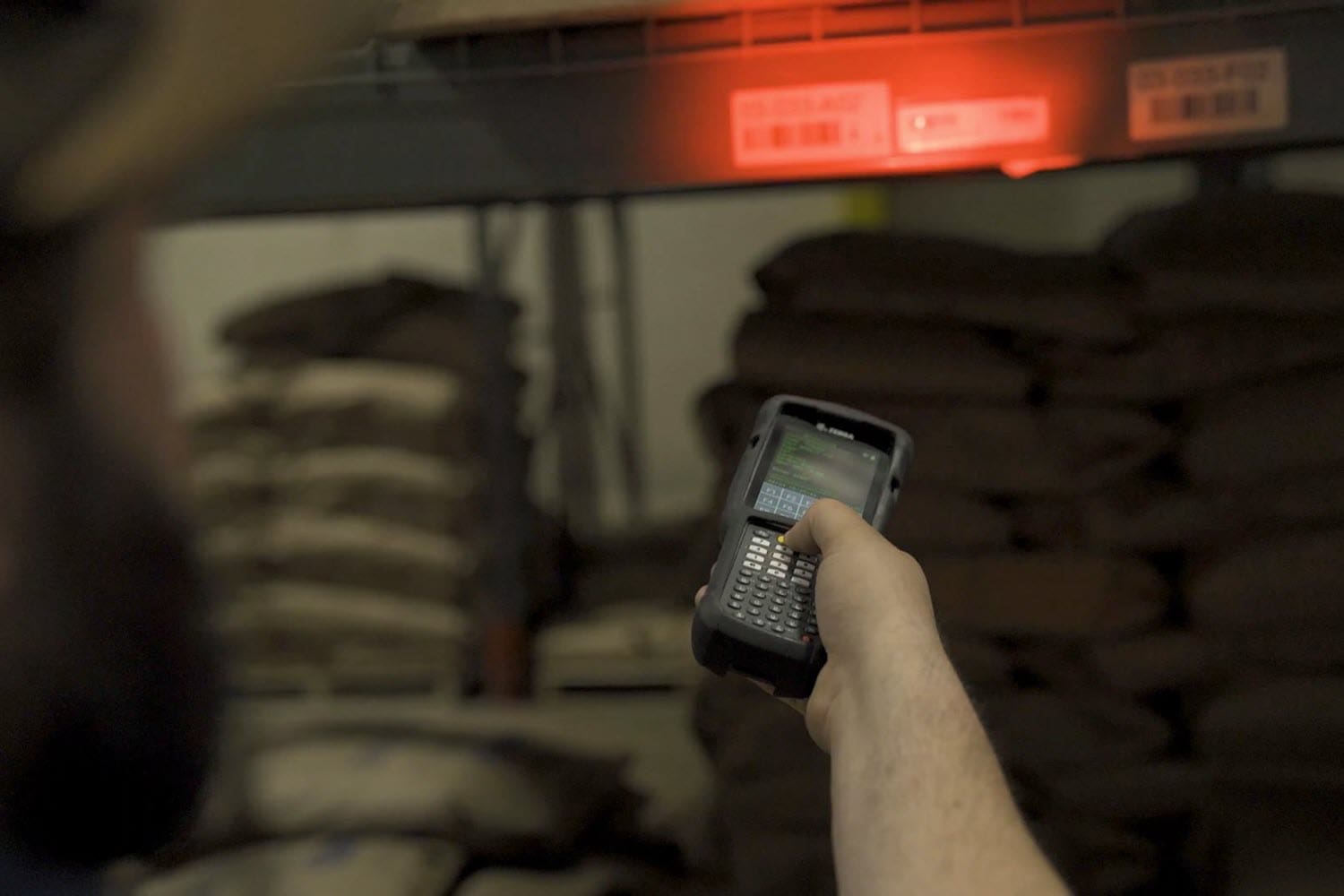
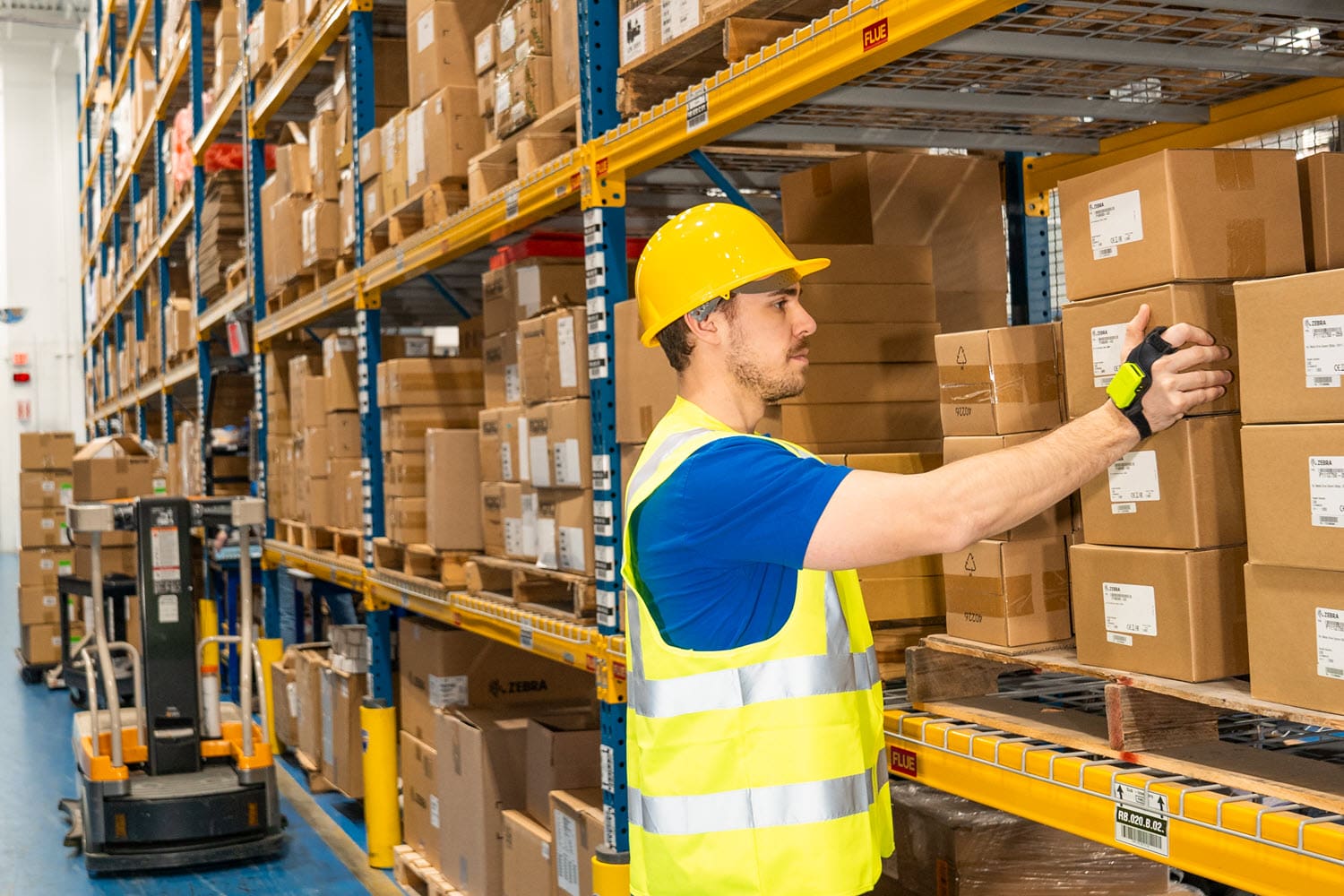
Order picking is a critical aspect of warehouse operations. Barcodes enable a more efficient and error-free picking process. Warehouse staff equipped with a mobile device can scan barcodes on items and bins to verify product information and confirm that the correct items are being picked for an order. This reduces the likelihood of mistakes and speeds up the fulfillment process. The company benefits by accelerating the speed of picking and reducing errors (mis-picks) which can lead to expensive returns and lower customer satisfaction.
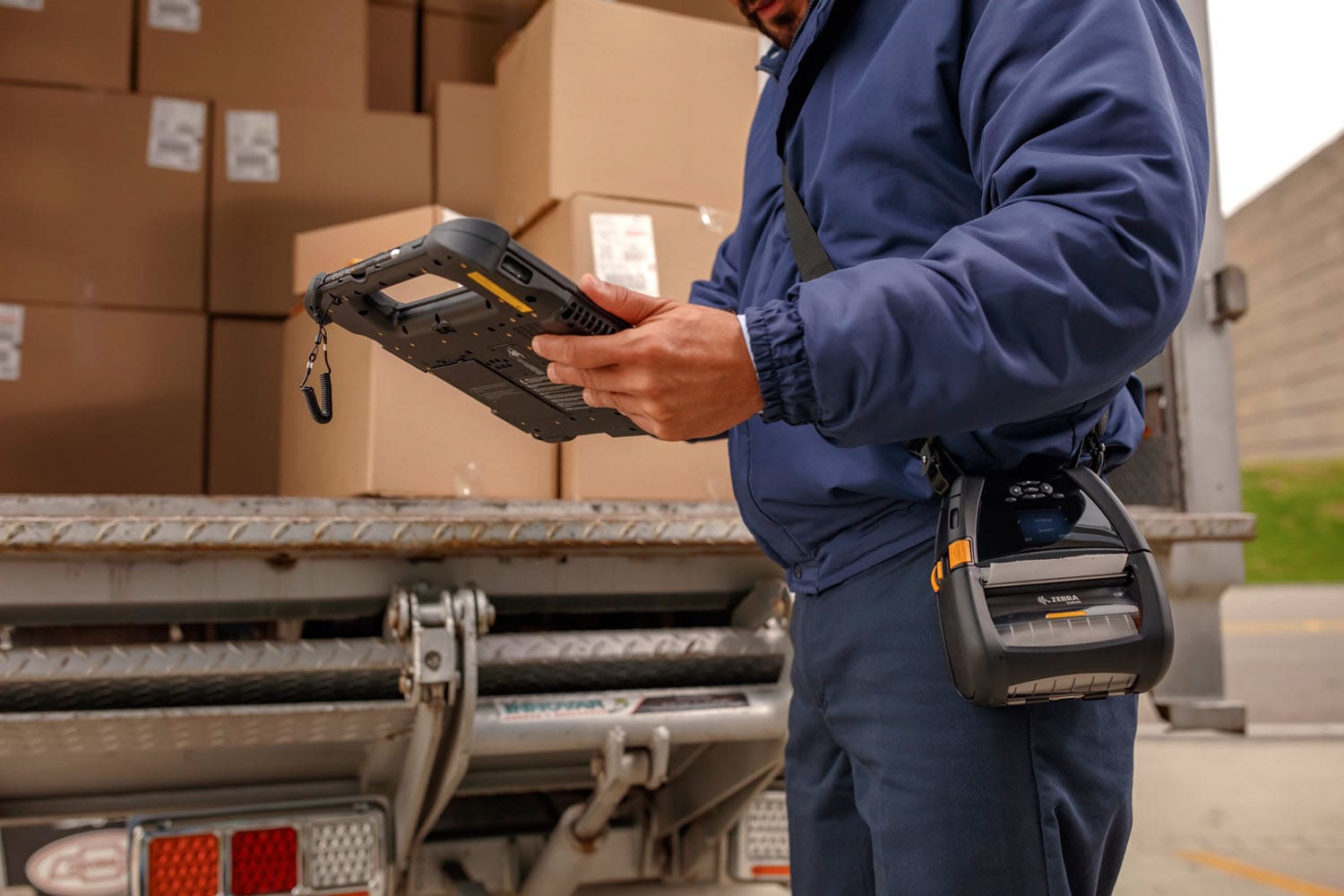
Barcodes simplify the shipping and receiving process by providing accurate data capture. When products arrive at a warehouse, their barcodes are scanned to update the inventory system automatically. Similarly, during the shipping process, barcodes are scanned to confirm that the correct items are being sent to the right destination. This minimizes shipping errors and improves overall order accuracy. Barcodes allow the company to ensure that the correct products are received and routed to the correct destinations, and can accelerate the invoicing process.
Maintaining product quality is crucial in manufacturing. Barcodes are used to track and trace raw materials and finished goods throughout the production process. Quality control checkpoints can be established where barcode labels are scanned to ensure that products meet specified standards. A scanned barcode allows you to electronically link QC actions to an electronic record, providing proof of what checks were made. See CSSI’s case study of custom quality control software created for an industrial customer to track lab samples.
In a manufacturing environment, barcodes facilitate real-time tracking of work-in-progress (WIP). Each stage of the production process can be assigned a unique barcode, allowing for accurate monitoring of the production flow. This visibility aids in identifying bottlenecks, improving efficiency, and meeting production deadlines. Barcode technology can reduce missed manufacturing steps and provide company management with visibility and metrics on the state of production at any point in time.
Barcodes extend beyond product tracking and are invaluable for monitoring equipment and assets within a warehouse or manufacturing facility. Each asset can be assigned a barcode, enabling easy identification and tracking of its location and maintenance history. This helps in optimizing asset utilization and reducing downtime. The company can reduce losses from stolen or misplaced assets and can create accountability for check-in/check-out procedures.
How to Get Started Implementing Barcode Technology
Of course, there are many more possibilities beyond the top 6 applications for barcodes in manufacturing and warehousing. The adoption of barcodes in industrial, distribution center, and transportation/logistics environments has transformed traditional inventory and operational processes. The efficiency, accuracy, and real-time visibility provided by barcodes contribute significantly to overall productivity. To implement a successful barcode scanning solution, businesses must invest in the appropriate hardware, including barcode scanners, mobile computers, printers, and software tailored to their specific needs.
However, it’s also necessary to understand best-in-class workflows and how these technologies have been successfully implemented at industry peers. This is where CSSI Technologies can be of great help to you. We offer years of experience in implementing and supporting barcode technology and mobile computer implementations, as well as inventory software and barcode scanning software. By bringing our experience to the table, we can help a company get started faster, with a better outcome. Avoid unnecessary pitfalls and contact CSSI to discuss your barcode project.
FAQ – Frequently Asked Questions About Implementing Barcode Scanners in Your Warehouse or Manufacturing Operation
Q: What type of barcode scanning device is right for our operation?
A. It depends on the task, the environment, and how much information the worker needs at the point of scan. Rugged mobile computers suit picking, receiving, and inventory work where the operator must see and respond to instructions on screen. Wearable scanners keep both hands free in high-volume picking and packing. Corded or cordless handheld scanners work well at fixed stations such as packing benches, QC stations, and shipping desks. Also consider scan range (a pallet label on high racking requires a different scan engine than a carton label at arm’s length), temperature and moisture exposure, and drop ratings. Most operations end up with a mix of device types matched to each workflow.
Q: Will barcode scanners integrate with our existing ERP, WMS, or MES?
A. In most cases, yes. Enterprise-grade scanners and mobile computers are designed to feed data into business systems, either through the vendor’s own mobile client, a browser-based or terminal-emulation interface, or a third-party data collection application that sits between the device and the system. The key questions to ask early are which transactions you want to capture at the point of work (receipts, picks, moves, production reporting, QC checks) and whether your system exposes those transactions for real-time updates. Answering those first avoids buying hardware that your software cannot fully use.
Q: What infrastructure do we need in place beyond the scanners themselves?
A. Plan for four things: wireless coverage, labels, device management, and power. Real-time scanning depends on reliable Wi-Fi across the entire floor, including dock doors, racking aisles, and freezers, so a wireless site survey is worth doing before deployment. You will need thermal label printers and label stock suited to your surfaces and conditions, plus location labels for racks and bins. A mobile device management (MDM) tool lets IT push updates, lock down devices, and troubleshoot remotely. Finally, budget for charging cradles and spare batteries so devices last through every shift.
Q: How do we justify the investment, and where does the return come from?
A. The return typically comes from the same areas where barcodes are applied: fewer picking and shipping errors (and the returns, reships, and credits that follow), less time spent on manual data entry and paperwork, more accurate inventory that reduces stockouts and write-offs, and faster invoicing because shipments are confirmed as they leave. To build the case, measure your current error rates, the labor hours spent on counts and data entry, and the cost of a mis-shipment. Those baselines make it possible to estimate savings and to verify results after go-live.
Q: How disruptive is implementation, and how long does it take workers to adapt?
A. Disruption is manageable when the rollout is phased. Many operations start with one process, often receiving or picking, prove it out, and then extend to other areas such as work-in-process tracking, quality control, and asset tracking. Scanning workflows are generally easy to learn because the device guides the operator through each step, and modern touchscreen mobile computers feel familiar to anyone who uses a smartphone. The work that takes the most planning usually happens before go-live: labeling locations and inventory, cleaning up item data, and defining the workflows the devices will enforce.