Where are warehouse industry leaders planning to make operational investments?
Warehouse Operations Leaders Provide Insights on Trends & Future Plans
Zebra Technologies is back with a timely update to its 2019 Warehouse Vision Study ! The new 2027 Zebra Warehouse Vision Study is the result of survey of warehouse operators and decision makers worldwide, who were asked about their investment plans and expectations between 2022 and 2027. We are happy to present the Vision Study as a free download (see below).
2027 Zebra Warehouse Vision Study Key Takeaways
Challenges in the marketplace have created a catalyst for positive change: Covid, supply chain shortages, difficult in attracting staff. These have all created major headaches for business. However, ‘necessity is the mother of invention’, and thus these crises have pushed warehouses to adapt and improve… adopting technology, creating more flexible work environments, and rethinking supply chains for more future robustness.
Clarity on the most significant warehouse challenges: Shipping volumes are up (>20%), rising e-commerce activity creates unpredictable customer demand and faster delivery expectations, and returns management and fulfillment are challenging execs. At the same time, it’s harder to hire workers and retain warehouse associates.
Presentation of the 5-year warehouse operations outlook: Eliminating unnecessary tasks is a priority, and there is an intention to improve labor optimization with mobile technology and warehouse automation solutions such as robotics and the autonomous mobile robot. There is a strong trend towards facility automation (over 30% intend to be fully or partially automated in 5 years).
Some of the Zebra Technologies Warehouse Vision Study Revelations
What are the top 3 challenges referenced by respondents due to increased e-commerce?
How are labor constraints impacting warehouses?
What are the common outbound fulfillment challenges?
Where are your warehouse peers planning to invest next?
What are the expectations around automation & robotics?
What is the outlook for the warehouse automation market? What are the adoption timelines for robotics automation and autonomous mobile robot solutions such as those from Fetch Robotics?
Complete the form below to immediately receive your free copy of Zebra’s Warehouse Vision Study, a survey of warehouse trends for 2022-2027
Complete the form below to immediately receive your free copy of Zebra’s Warehouse Vision Study, a survey of warehouse trends for 2022-2027
Get Your Free Download – The Rise of the Connected Factory
FAQ – Frequently Asked Questions About Industry Trends in Pursuing Warehouse Efficiency Through Technology
Q: What operational problems are other warehouse leaders focusing on first?
A. Most are focused on outbound operations. In Zebra’s Warehousing Vision Study, more than 1,500 decision-makers and associates in manufacturing, retail, transportation and logistics, and wholesale distribution were surveyed. Returns management ranked as the top operational challenge. Close behind were packing, staging and loading (36%), order fulfillment time (35%), picking efficiency (35%), and order accuracy (32%), and all four rose since 2019. Inventory accuracy and visibility also made decision-makers’ top three challenges tied to e-commerce growth. Leaders are responding by finding their weakest operational areas so they can prioritize improvements better. Meanwhile, 87% agree they need new technology to stay competitive.
Q: We’re not sure where to start with automation. What are our peers doing?
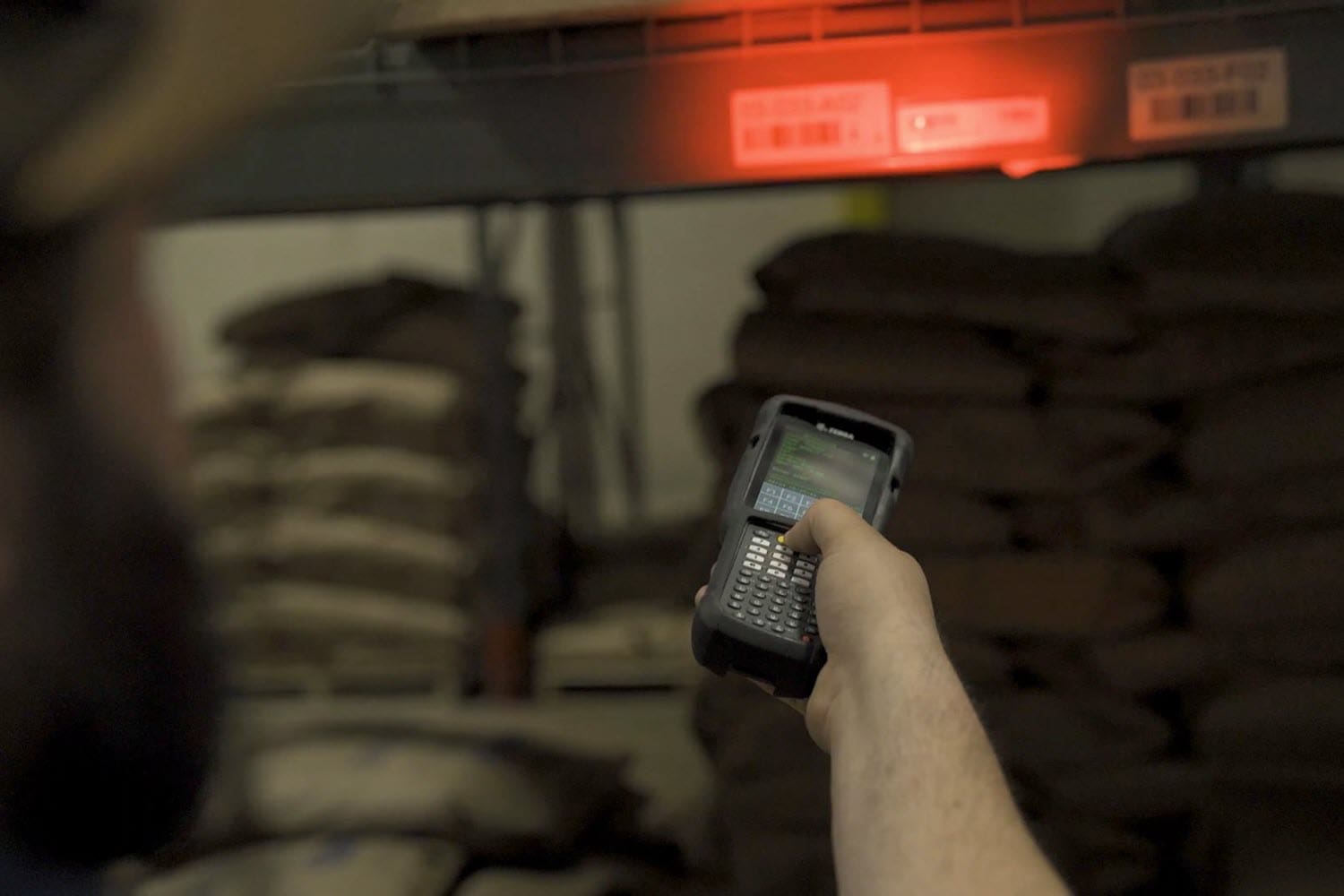
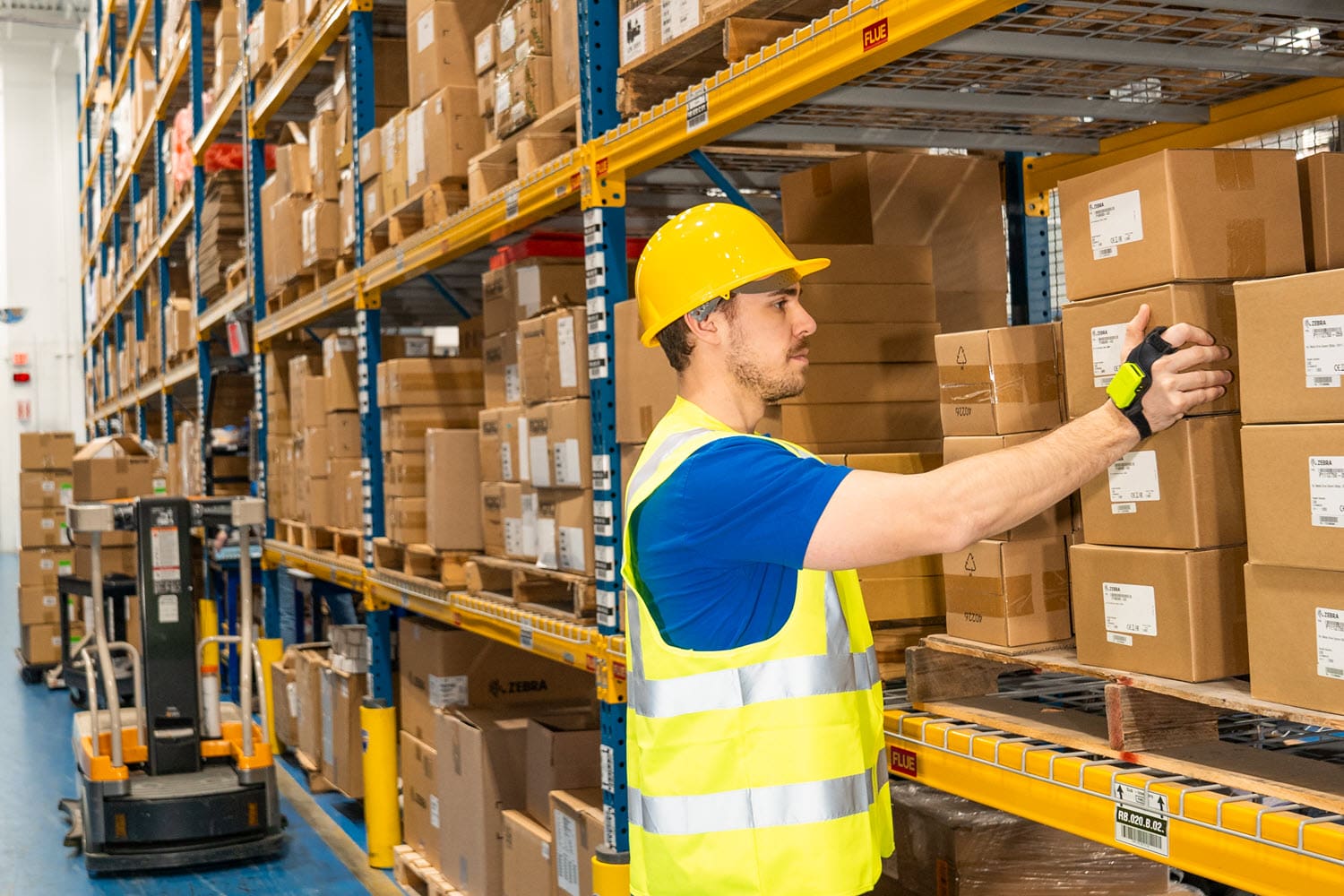
A. Many are in the same position. In the study, 61% of decision-makers said they’re unsure exactly where to start automating. Most agree the best first step is to equip workers with mobile devices and software. That view is shared by 83% of decision-makers and 89% of associates. Planned adoption of these tools by 2027 rises sharply:
Handheld mobile computers with built-in scanners: from 43% to 92%
Mobile barcode label printers: from 32% to 94%
Wearable computers: from 40% to 94%
Rugged tablets: from 25% to 92%, the biggest increase of any device
The study also expects about nine in 10 decision-makers to bring in outside resources within five years to help them identify and carry out optimization and automation projects.
Q: How are other operations improving inventory and order accuracy?
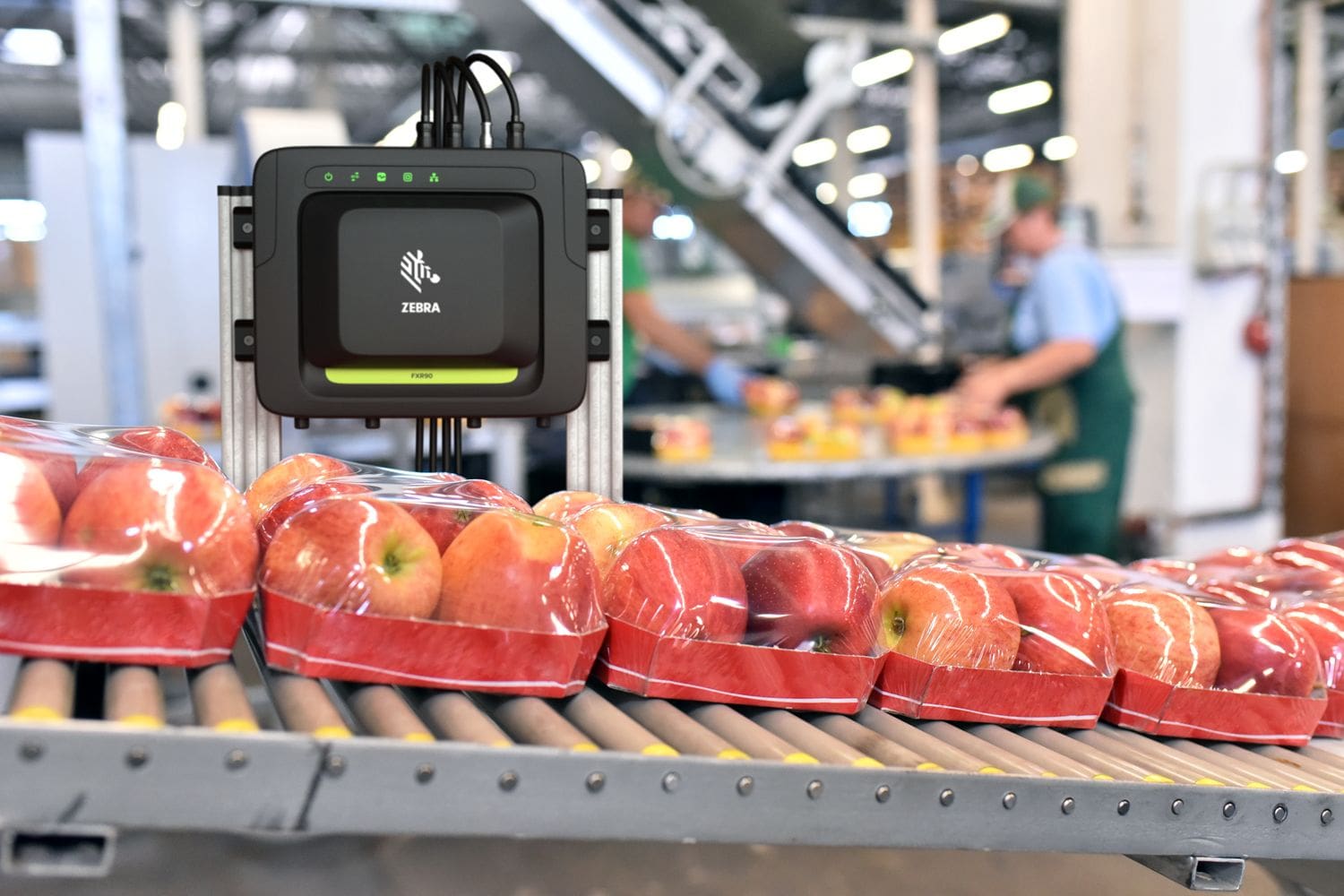
A. Mainly through real-time visibility and sensor-based data capture. Within a year of the survey, 61% planned to add real-time inventory tracking, and 55% planned to invest in inventory and asset visibility inside the warehouse within one to three years. Sensor technologies are especially useful in outbound workflows:
Mobile dimensioning can capture accurate parcel sizes for better load planning.
Adoption of each of these is projected to reach about 90% or more by 2027. Those figures are up from 21% to 33% when the survey was taken.
Q: Are peers investing in robotics, and does it actually help picking productivity and accuracy?
A. Yes, and quickly. Use of person-to-goods autonomous mobile robots (AMRs), which guide workers to what and where to pick, is projected to grow from 34% to 93% by 2027. Associates who would work with AMRs say they boost productivity (83%), cut travel time and walking (83%), and improve accuracy (73%). Many operators are also looking at robot-as-a-service (RaaS), which avoids a large capital outlay and lets them scale as demand changes. At the time of the survey, 19% were implementing RaaS and another 69% planned to within one to five years. Many of today’s automation options don’t require reconfiguring the floor, so operations can start small and grow as use cases prove themselves.
Q: How are peers using technology to deal with labor shortages and training time?
A. Labor is a major driver of technology spending. Decision-makers say it takes about 4.7 weeks to train a new warehouse worker to full productivity. Among those automating now or planning to within three years, 66% say offsetting hiring difficulty is a top-three reason. Technology also helps with recruiting: 83% of associates say they’d be more likely to work for an employer that provides modern devices. The same share expect work devices and apps to be as easy to use as their smartphones. Decision-makers and associates agree on the top three labor initiatives:
Cut unnecessary tasks so front-line workers can focus on work that serves customers.