It’s common to encounter articles about advances in RFID technology, which create excitement and the urge to explore an RFID solution for potential benefits to your organization. But in practice, what are the great applications for RFID, and where is the ROI? We’d like to present 10 practical and proven applications which can be effectively handled by RFID. Obviously, results and appropriateness vary by business (one of the factors which is so unique about RFID), so consult with CSSI to explore whether an RFID system is a fit for your business.
10 Great Uses for RFID Technology
1. Inventory Management with RFID
Most people think of RFID technology as an enabler of real-time inventory tracking. Improved inventory control and accuracy has a broad range of benefits, from fewer stockouts and lost orders to reduced manual labor and improved utilization of company cash. A well-implemented RFID application for inventory management can eliminate the need for staff to manually scan or otherwise track in the receipt, shipment, and movement of materials.
2. RFID Asset Tracking
By attaching an RFID tag to assets such as equipment, tools, and vehicles, you can find lost items faster with an RFID reader, and obtain providing real-time location and utilization information with the right RFID asset tracking software. Tool tracking and high-value asset monitoring is a sometimes overlooked but excellent use case for RFID. Asset tracking applications may require active RFID tags, but with the right software, you may be able to achieve the benefits with a passive RFID tag… speak to CSSI for examples.
3. Supply Chain Management
RFID tracking enables end-to-end visibility of goods in the supply chain, reducing the risk of lost or stolen items and improving overall efficiency. Where are items moved upon receipt, and have they been properly stored?
4. RFID for Quality Control
Active or passive RFID tags can be used to track the progress of products through the production process, enabling quick identification of any quality issues. For one customer, CSSI created custom lab tracking software which simplifies the tracking and monitoring of quality control samples through an internal testing lab. This eliminated manual entry and clipboards, which are prone to error and provide insufficient digital proof that tests were performed.
5. Cross-docking with RFID
Cross-docking operations must move fast to be efficient. RFID technology can be used to automate the process of sorting and redistributing incoming goods, reducing manual labor and increasing speed. An RFID antenna configuration at dock doors can automatically detect the arrival and departure of inventory.
6. RFID for Work-in-Process Tracking
Need to track the progress of products as they move through the production process? Radio frequency identification, or RFID, can capture the arrival and departure of items at critical points in the process, and can document that correct operations were performed. This creates real-time data for process improvement.
7. Product Authentication with RFID
Seeking to avoid theft or scams such as the shipment or receipt of counterfeit items? A passive tag inserted into the item can allow you to verify that you are not accepting a fake.
8. Maintenance Management with RFID Support
Seeking to create a more efficient CMMS (computerized maintenance management system)? RFID software can help in a number of ways… components which are labeled with passive RFID tags can help the operator get to the right spot, and background tracking via software can validate that maintenance was performed. Tags can be generated on demand with RFID printers, and can be used to track the maintenance and repair history of assets, helping to improve the overall reliability and lifespan of equipment.
9. Safety Management and RFID
Where are hazardous materials stored, and is there a system in place which can alert you if they are placed in an unauthorized area? An RFID tag can be used to track the location of hazardous materials, helping to ensure that they are stored and used safely.
10. Warehouse Management with RFID
RFID technology can be used to automate the picking and packing of orders, reducing manual labor and increasing speed and accuracy.
The Components of an RFID Solution
The most critical component of an RFID sytem is the tag. There are both passive and active RFID tags, which operated in several different frequences (high frequency, low frequency, etc.). A passive tag is energized by the signal from the RFID antenna, while an active RFID tag emits its own stronger signal. It is vital to choose (and test) RF tags to ensure that readability is acceptable for your use case. RFID printers allow you to generate tags on demand within your facility, or tags can be bulk pre-ordered from CSSI.
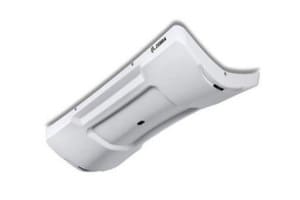
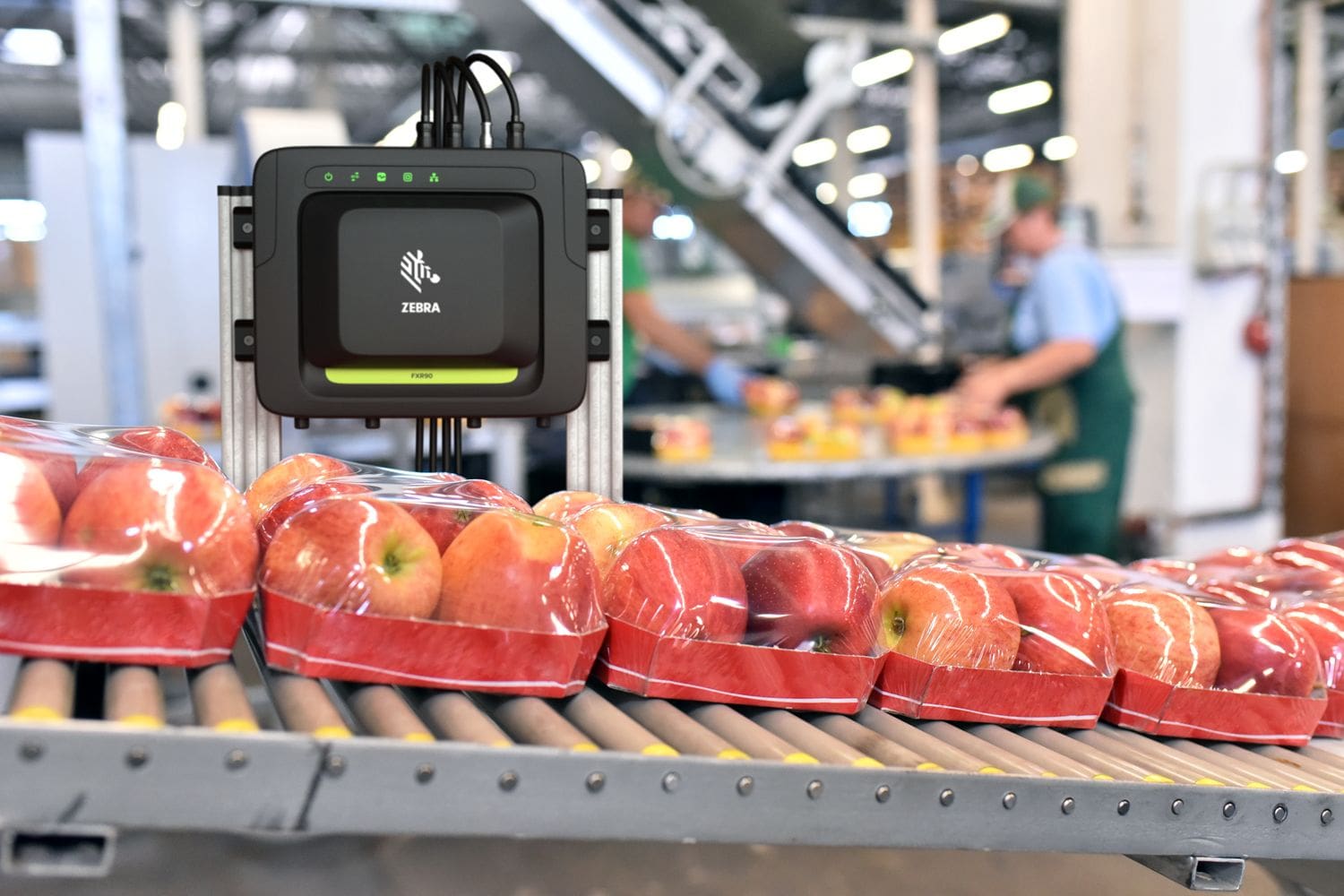
After the tag, the RFID reader and antenna is critical. Antennas ‘interrogate’ tags which are within range in order to extract information, and the RFID reader controls connected antennas and provides filtering of results, which are then presented to the RFID software.
RFID software is ultimately where the data extracted from the tags and presented in a way that allows you to perform desired workflows. There are a broad variety of RFID software solutions available, so CSSI will help you to select the best one for your use case based on our conversations with you.
Contact CSSI for RFID Help
Ready to start a conversation and explore RFID as a fit in your business? Contact CSSI to start today.
FAQ – Frequently Asked Questions About Selecting Workflows for RFID Technology
Q: How do I know whether a workflow is a good candidate for RFID instead of barcodes? A. The best candidates have one or more of these traits: a high volume of items that need to be counted or identified at once, items that move through a fixed chokepoint like a dock door or conveyor, items that are hard to reach or see, or a process where line-of-sight scanning slows people down. When a worker scans one item at a time and the error rate or labor cost is acceptable, barcodes are usually still the more economical choice. When you’re counting whole pallets, cartons, or tote contents, or confirming shipments as they pass a portal, RFID usually pays off. A useful test is to ask where your team spends the most time searching, counting, or fixing mistakes. That’s often where RFID belongs.
Q: Which workflow should we start with if we’re new to RFID? A. Start with a contained, high-pain process that has clear before-and-after numbers. Cycle counting, returnable asset tracking (totes, pallets, carts, tools), and shipping verification at a dock door are common first projects because they’re easy to measure and don’t require you to change every process in the building. A narrow pilot lets you prove read rates, refine tag placement, and build ROI data before expanding into work-in-process tracking, cross-docking, or full inventory management. Avoid starting with your most complex, most exception-heavy process.
Q: What environmental factors can make a workflow a poor fit, and can they be overcome? A. Metal and liquids are the classic problems. Metal reflects RF energy and liquids absorb it, so items like canned goods, beverages, steel parts, and racking-heavy areas can lower read rates. Cold storage adds condensation, frost, and adhesive challenges. Most of these issues can be solved with the right tag (on-metal or specialty tags, freezer-grade adhesives), careful antenna placement, and tuned reader power. They do raise cost and complexity, though, so test tags on your actual products and in your actual environment before you commit. A site survey and proof of concept are worth the time.
Q: How should we evaluate the ROI of an RFID workflow before investing? A. Measure the current state first: labor hours spent counting or searching, inventory accuracy, shrink, mis-shipments and chargebacks, lost or replaced assets, and time spent on audits. Then estimate how much RFID can realistically improve each of those, and weigh the gains against hardware (readers, antennas, handhelds, printers), recurring tag costs, software and integration, and training. Workflows with reusable assets often show the fastest payback because you buy the tag once and read it thousands of times. Disposable, low-value items need a bigger labor or accuracy gain to justify a tag on every unit.
Q: What does IT need to plan for when integrating RFID into an existing workflow? A. RFID generates far more reads than barcode scanning, so you need middleware or software that filters duplicate and stray reads and turns raw tag data into meaningful business events, such as “pallet 123 shipped on dock door 4.” Plan how that data will flow into your WMS, ERP, or asset management system, and decide whether you’ll encode and print tags in-house with RFID label printers or buy pre-encoded tags. Also review network capacity at fixed reader locations, device management for RFID handhelds, and data standards like GS1 EPC encoding if you share data with trading partners. Bringing IT into the workflow selection early helps make sure the pilot can scale.