The benefits of reviewing your print supplies selections
Tariffs are Driving Label Prices Up… CSSI Can Help
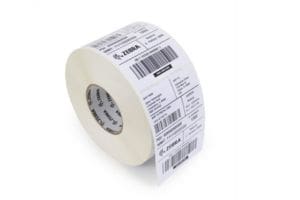
It’s no secret that tariffs and overall inflation have been impacting the prices of print supplies such as barcode labels, tags, and ribbons. Whether you use stock materials or customized labels, you have likely found prices creeping higher. Have you considered taking this as an opportunity to reconsider your choice in print supplies? We know that many companies are reluctant to ‘fix what ain’t broken’, but the print supplies team at CSSI often finds very real benefits when companies come to us for help.
Benefits of Re-evaluating Your Label Supplies:
Time flies! If it’s been a few years since you selected your labels, you may have been caught up in gradually creeping prices. Considering some alternatives may results in very real savings for your company.
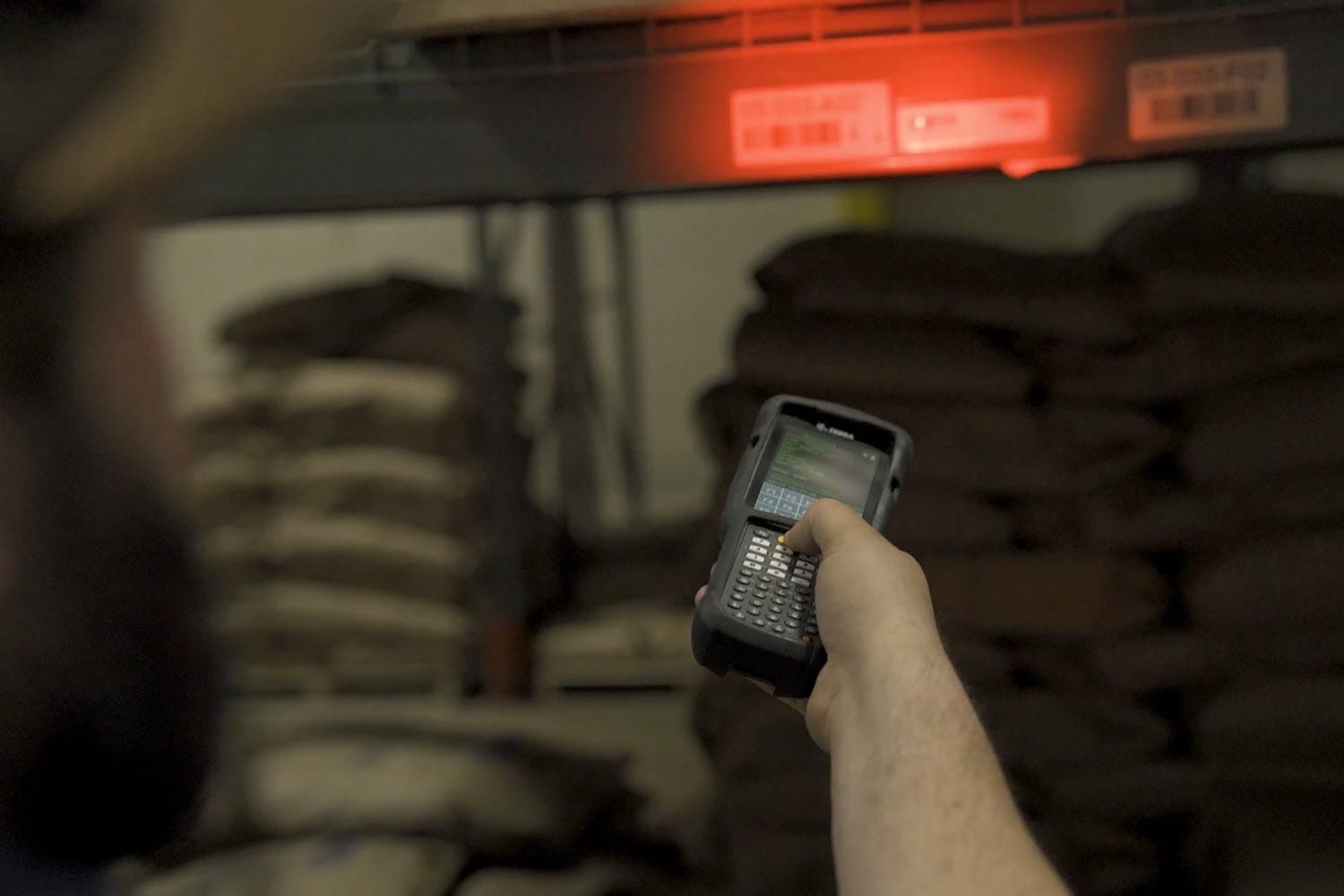
Label quality matters – You want the best-value, and not necessarily the cheapest solution. Are your users frustrated with your current label solution’s reliability or availability? Torn labels, or out-of-stock supplies, can impact productivity. Is it time to consider some options which may perform better for you?
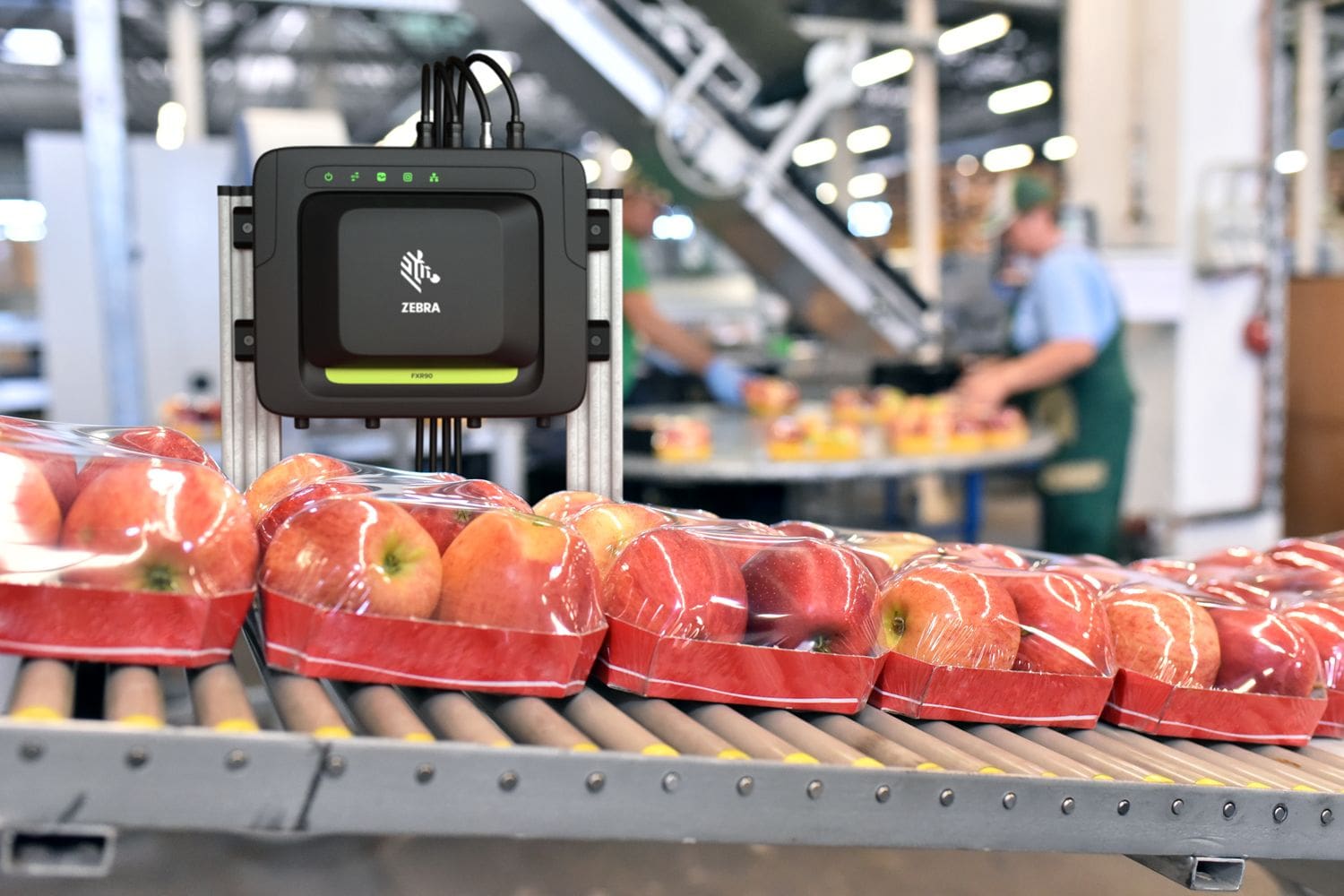
Innovation – Yes, there is innovation in labels. Materials, adhesive chemistry, and sometimes even form factor can bring positive benefits. Linerless labels reduce waste and clutter. There are even labels which provide thermal transfer quality from a direct thermal printer! We recommend taking a periodic look around to see if there are solutions which solve problems you may have become blind toward.
CSSI’s Print Media Experts Can Help
CSSI works with a range of leading print supplies providers. By working with our team of print experts, we can consider your needs & challenges and seek out new options for you. It’s easy to get started, just contact CSSI for help with labels and print supplies.
FAQ – Frequently Asked Questions About Proposals for Barcode Labels & Print Supplies
Q: What information should I have ready before requesting a proposal for barcode labels and print supplies? A. A supplier like CSSI can only price accurately if they know what you’re actually running. At minimum, be ready to share your printer make and model, print method (thermal transfer with ribbon, or direct thermal), current label material and adhesive type, label dimensions, monthly or annual volume, and the environment the labels operate in — ambient warehouse, cold storage, outdoor, or high-heat industrial. If you’re not sure which print method or adhesive you’re currently using, a sample of your existing label is usually enough for us to identify it. The more specific this information is, the more likely our resulting proposal reflects real pricing rather than a rough estimate that changes once the order is placed.
Q: How do I know whether my current labels are actually a match for my application? A. Mismatches between label material and use case are one of the most common — and most expensive — issues in a print supplies program. A standard paper label rated for room temperature won’t hold up in a freezer or on a piece of equipment that runs hot, and a permanent adhesive may be the wrong choice for a container that gets relabeled or reused. Signs your current labels aren’t the right fit include smearing or fading before the label’s expected life is up, labels lifting or falling off, or frequent reprints and rescans in the field. A new proposal is a good opportunity to have a supplier evaluate your actual conditions — temperature range, surface material, exposure to moisture or chemicals, and how long the label needs to stay legible — rather than simply requoting what you’ve always ordered. CSSI can use its experience to suggest optimal materials and adhesives.
Q: Why do quotes on seemingly identical labels vary so much between suppliers? A. Two quotes can list the same label size and adhesive type on paper and still perform very differently once they’re on a scanner. Lower bids sometimes come from material substitution — a supplier using thinner facestock, a lower grade of adhesive, or a ribbon and label combination that hasn’t been tested together — which can drive down unit price while driving up print head wear, misreads, and reorder frequency. Before comparing price per thousand, ask each supplier to specify the exact facestock, adhesive, and (for thermal transfer) ribbon chemistry they’re quoting, and whether that combination has been tested for compatibility with your specific printer.
Q: What quality checks should a print supplies provider be able to show me? A. A supplier confident in its materials should be able to point to formal quality processes, not just a spec sheet. Look for ISO 9001 certification or an equivalent quality management system, documented testing across a range of printers, print speeds, and darkness settings, and a consistent inspection process applied to every production run. It’s also reasonable to ask how the supplier handles a batch that doesn’t meet spec — whether it’s caught before shipment or becomes your problem after the fact. Suppliers that can speak specifically to their testing and inspection process are generally a safer bet than those that only speak to price.
Q: What’s the best way to get a fair, apples-to-apples comparison before switching suppliers? A. Start by having each supplier quote against the same specification — same material class, adhesive, dimensions, and volume — rather than letting each one propose their own substitute. From there, request physical samples and run them on your own printers and scanners before committing to a full order; how a label performs on your hardware, in your environment, is the only test that really matters. Finally, ask what happens after the sale — lead times, minimum order quantities, and whether the supplier can support you if your printer fleet or application changes. A proposal that looks good on price but doesn’t hold up operationally isn’t actually the better deal.