Convert a handheld computer into a mobile RFID reader
RFID (Radio Frequency Identification) technology is transforming how businesses track inventory, manage critical assets, and monitor workflows. Among RFID devices, handheld RFID solutions are gaining popularity due to their flexibility and cost-effectiveness. A standout option in this category is the UHF RFID sled—a versatile accessory that works in conjunction with mobile devices. In this article, we explore RFID sleds, their advantages, and their ideal applications.
What Is an RFID Sled?
An RFID sled reader is an accessory that provides a handheld mobile device with RFID tag reading capability. Unlike a standalone fixed RFID reader, this mobile solution provides flexibility for the user, which can be essential for certain RFID workflows… and can be instantly implemented without having to mount physical antennas. While there are dedicated mobile RFID readers, the sled solution provides additional flexibility to the company, which can create RFID reading functionality without having to invest in dedicated devices.
Typically, RFID sleds are compact and lightweight, featuring ergonomic grips for easy handling. They are available with varying ranges, frequencies, and capabilities, making them suitable for different industries and use cases.
Examples of Reliable RFID Sleds
Here are several examples of reliable RFID sleds. Your CSSI rep can help you select the right choice for your needs:
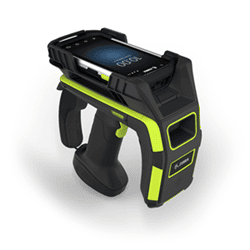
Zebra RFD90 RFID Sled: Zebra’s premier RFID sled is ultra-rugged and ready for harsh environments and intensive usage. It is able to withstand 6 foot drops, and boasts IP65 / IP67 rating. Compatible with rugged Zebra mobile computers and several third-party smart phones.
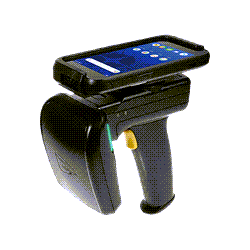
Datalogic 2128P RFID Sled: Datalogic’s RFID sled is an ideal add-on for the Memor handheld computer. It quickly reads UHF RFID tags and supports your mobile workflows, even in harsh conditions.
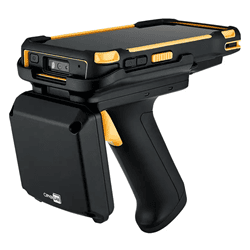
CipherLab RS38 UHF RFID Reader: The RS38 sled converts CipherLab’s value-leading handhelds to RFID readers. It scans 1300 tags per second up to 10 meters, and is tough enough to withstand industrial use.
What Are the Benefits of Using an RFID Sled Instead of a Dedicated Handheld RFID Reader?
RFID sleds offer several advantages over traditional handheld RFID readers:
Cost Efficiency RFID sleds are often more affordable than standalone RFID readers, especially for businesses that already use handheld computers. By pairing an RFID sled with an existing mobile device, organizations can reduce upfront costs.
Modularity and Versatility The modular nature of RFID sleds allows users to upgrade their mobile devices independently of the RFID reader. This flexibility helps businesses stay current with advancements in mobile technology without replacing their entire RFID system. Also, the company can get more use out of existing mobile devices without having to make significant new purchase investments.
Enhanced User Experience The company is able to use the familiar interface of the mobile devices to which users are already accustomed. Custom apps can be developed or integrated to optimize workflows and meet specific operational needs.
Portability and Convenience RFID sleds are lightweight and easy to carry, making them ideal for on-the-go applications. Their compact design is particularly advantageous in environments where space is limited or users need to move between locations frequently.
What Are the Benefits of Using a Mobile RFID Reader Versus a Fixed RFID Antenna?
Mobile RFID readers, including sleds, offer distinct advantages over fixed RFID antennas for certain usage scenarios:
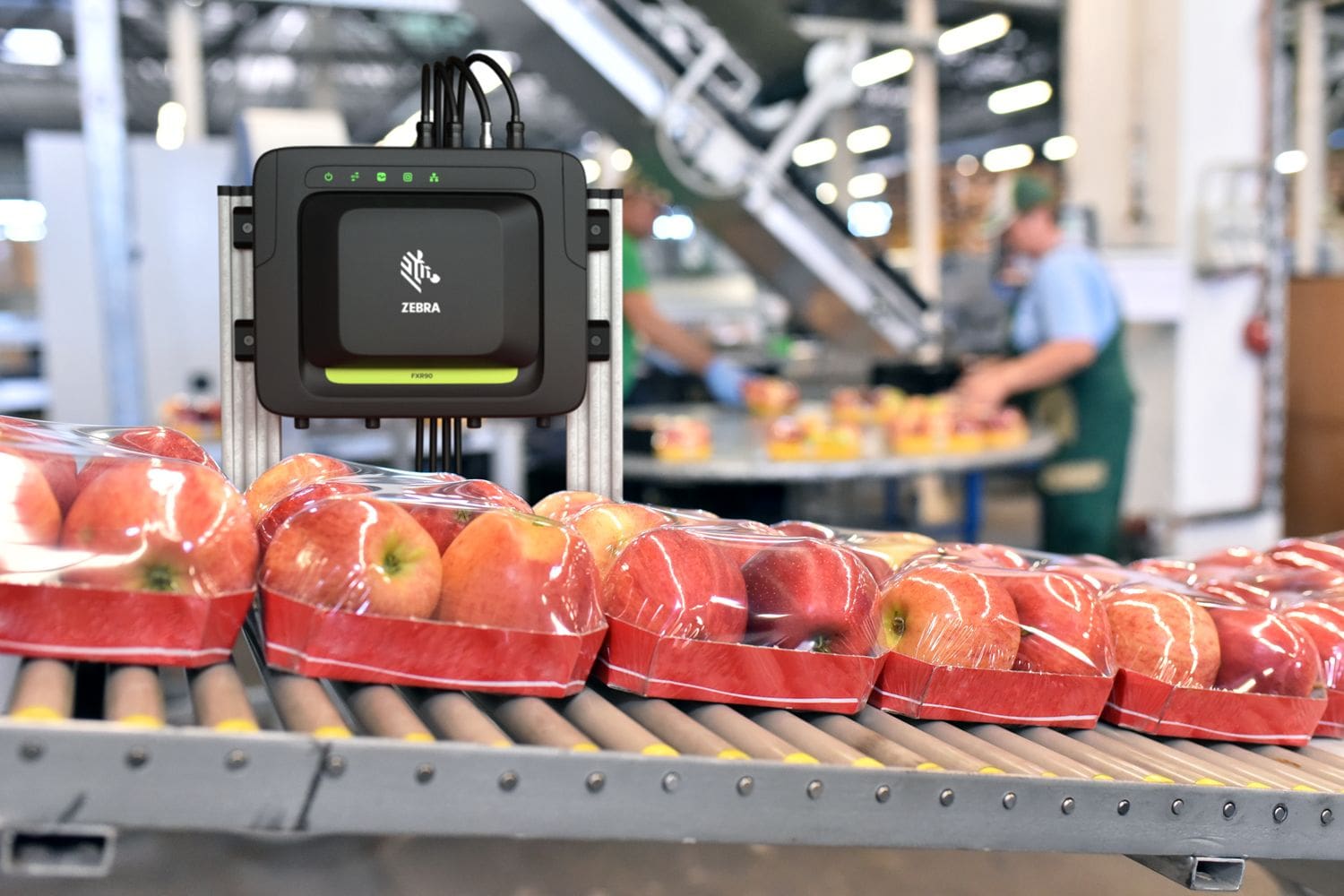
Flexibility in Coverage Fixed antennas are stationary and best suited for monitoring specific areas, such as doorways or conveyor belts. Mobile readers, however, provide the flexibility to scan tags in various locations, making them ideal for dynamic environments like retail stores or warehouses.
Cost-Effectiveness Installing multiple fixed antennas can be expensive. Mobile RFID readers are a cost-efficient alternative for businesses that need occasional or location-specific scanning without investing in permanent infrastructure.
Ease of Deployment Fixed RFID systems require complex setup and calibration. Mobile readers, on the other hand, are plug-and-play devices that can be used immediately, with minimal technical expertise.
Scalability Mobile solutions are easy to scale as business needs grow. Adding more handheld devices is often simpler and cheaper than expanding a network of fixed antennas.
What Are Good Applications for an RFID Sled or a Handheld RFID Reader?
Handheld RFID readers, including sleds, boost operational efficiency in a variety of industries and applications:
Retail Inventory Management Handheld RFID devices streamline inventory counts, making it easier to update stock levels, locate items, and improve accuracy. This reduces out-of-stock scenarios and enhances the customer experience.
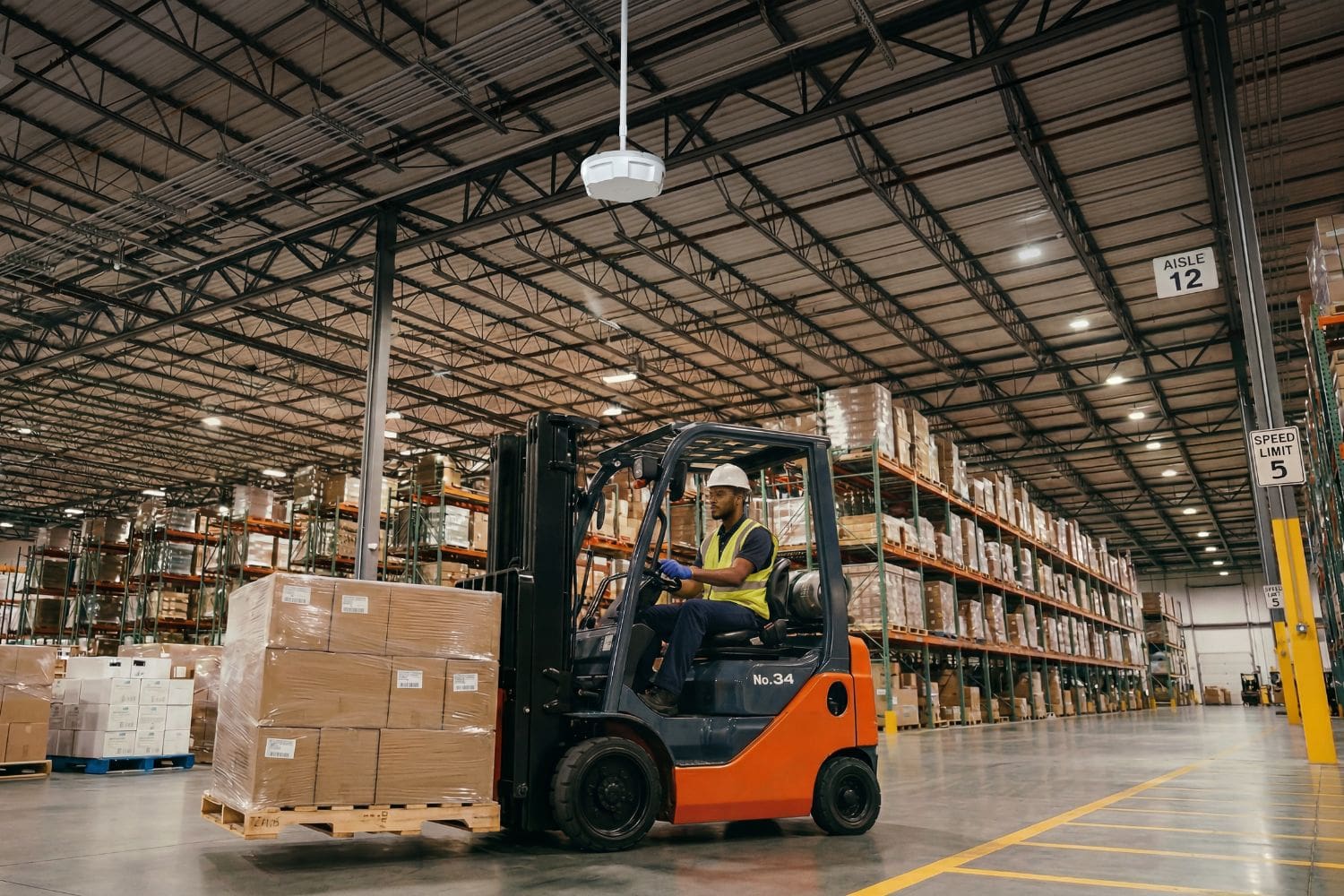
Warehouse and Logistics RFID sleds enable quick scanning of pallets, cartons, or individual items, helping businesses track shipments and ensure accurate order fulfillment.
Asset Tracking Asset management is a common use for RFID. In manufacturing and warehouses, you can use RFID to track high-value assets. In healthcare, hospitals and clinics use RFID sleds to monitor medical equipment, track patient movements, and manage inventory of consumables like medications and surgical tools.
Event Management RFID sleds simplify attendee tracking at events by reading RFID-enabled tickets or badges. They can also assist in managing equipment and resources during the event.
Field Service and Inspections Technicians use RFID sleds for equipment inspections, maintenance tracking, and ensuring compliance with operational standards, especially in remote or outdoor locations.
Learn More and Try Out an RFID Sled
RFID sleds represent a highly adaptable and cost-effective solution for businesses looking to leverage RFID technology. By pairing the functionality of a handheld RFID reader with the convenience of a mobile device, they provide an excellent alternative to both standalone readers and fixed antenna systems.
If you would like to explore RFID for your business, CSSI can help you evaluate your RFID project as well as test an RFID sled to use with your current mobile devices. Please contact us to discuss RFID sleds.
FAQ – Frequently Asked Questions About RFID Sleds
Q: How much does an RFID sled cost compared to a standalone RFID reader? A. RFID sleds are typically a fraction of the cost of a dedicated handheld RFID reader, since they add RFID capability to mobile computers a business already owns rather than requiring new hardware end to end. This makes sleds a lower-risk entry point for companies piloting RFID before committing to a full standalone reader fleet.
Q: Will an RFID sled work with the mobile devices we already have in the field? A. Most RFID sleds are purpose-built to pair with specific handheld computer families — for example, the Datalogic 2128P is designed for Memor devices — so compatibility depends on matching the sled to your existing device model. A VAR or systems integrator can confirm fit against your current fleet before purchase, which also helps avoid mismatched IP ratings or form factors.
Q: How long does it take to roll out RFID sleds across a warehouse or retail operation? A. Because sleds attach to devices employees already use, deployment is generally faster than a full RFID hardware refresh — often a matter of days once devices are provisioned with the right scanning application. Most of the rollout timeline is driven by tag placement, read-zone testing, and staff training rather than hardware setup itself.
Q: What kind of return on investment should a business expect from RFID sleds? A. Payback typically comes from labor savings on manual counts, reduced shrinkage from better inventory accuracy, and fewer shipment errors caught before they reach a customer. Because sleds extend the life of existing mobile devices instead of replacing them, the upfront investment is lower, which shortens the payback period compared to standalone RFID hardware.
Q: Are RFID sleds rugged enough for cold storage, manufacturing, or other demanding environments? A. Many sleds are built to the same rugged standards as industrial handheld computers — the Zebra RFD90, for instance, is rated IP65/IP67 and drop-resistant to 6 feet — so they hold up in freezer warehouses, dusty manufacturing floors, and other harsh conditions. Matching the sled’s environmental rating to the deployment site is worth confirming during selection, since not all sled models are rated equally.