Why Choose Extended Range Barcode Scanners Instead of Long Range?
One industrial barcode scanner can offer a broad range of scan distances sufficient to cover all your warehouse needs
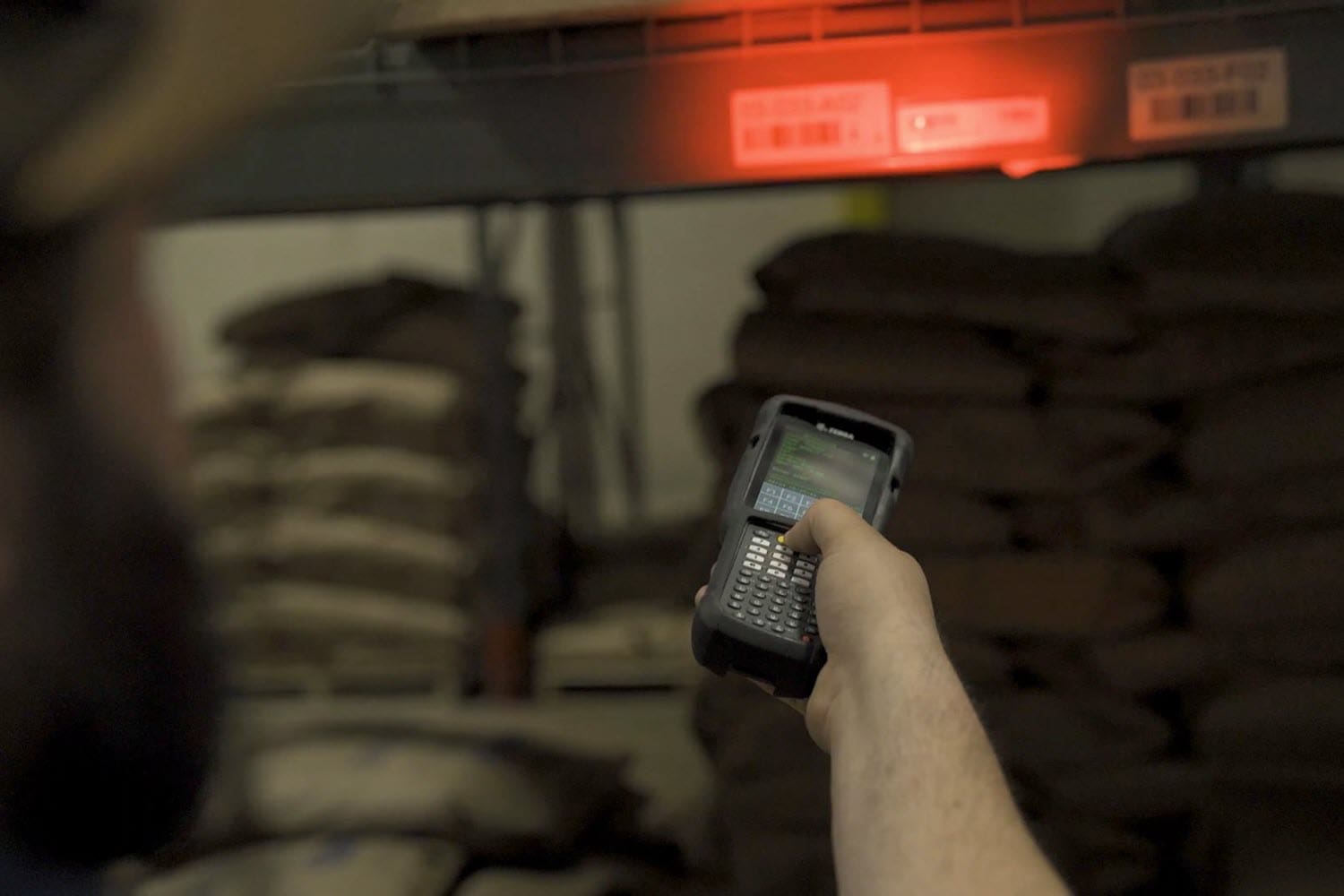
Traditionally, the focal depth of industrial barcode scanners was optimized and somewhat limited. Warehouse users would be equipped with a scanner with a scan range judged to be appropriate for their typical tasks. Unfortunately, that meant that when users were confronted with a scan distance outside of ‘normal’ range, they would have to take additional steps in order to make the scan. In a fast-paced warehouse environment, every disruption translates into lower productivity… but that was the typical reality, and thus was expected.
Fortunately, continuing development in the technology used in scanners has resulted in a new breed of extended range scanners, which immediately create a new warehouse standard. Why choose extended range barcode scanners?
What The Terms Mean
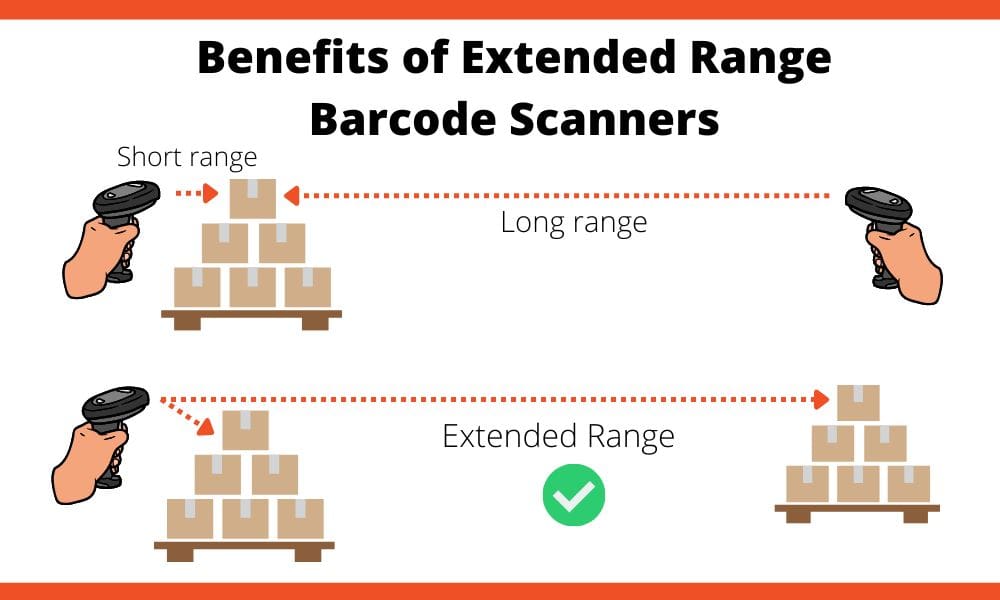
Short range scanner: typically offers a close range barcode label scan distance — mere inches or a few feet
Long range scanner: refers to scanners working best at a distance of 30 feet or more
Extended range scanner: Refers to scanners able to accommodate both short-range and long range barcode scan distances.
Benefits of Choosing An Extended Range Barcode Scanner
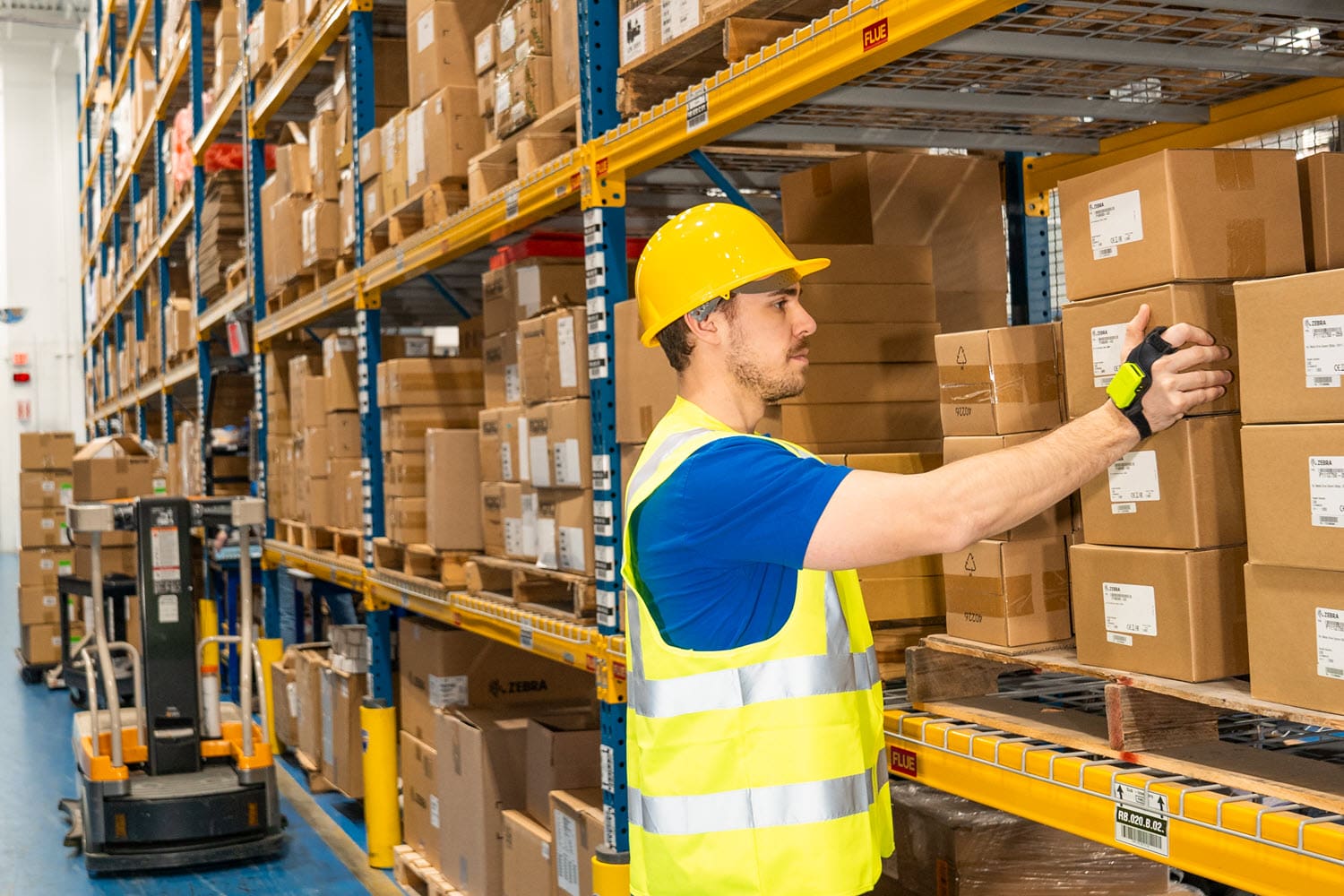
Short-range and long range barcode scanners are very good at their specific tasks. However, they are suboptimal if your warehouse operators need to scan inventory at a variety of distances. Users will lose valuable time and productivity will suffer. For example, they may have to dismount from a fork truck in order to get within scan range of some barcode labels. Or, they may be faced with a nearby object which won’t scan until they back up – again, losing productivity and increasing frustration.
Extended range rugged barcode scanners are a ‘best of both worlds’ solution for inventory management. Benefits include:
Saves time and enables faster, more consistent scanning
Allows warehouses to standardize on a specific device instead of needing to keep a variety of scanner types available. Consolidating to an extended range scanner simplifies procurement, deployment, and device management
Simplifies training – the warehouse team no longer needs to learn which device to use in which situation
Modern scanners offer advanced capture technology and can accommodate a variety of barcode symbologies (1d barcode, 2d barcode, QR code, data matrix, and more). Please note that the realized barcode reader scan distance will be impacted by the barcode label size and resolution of your thermal printer.
The experienced team at CSSI is ready to guide you in the selection of the optimal data capture hardware for your specific inventory management and data capture needs. Contact CSSI to speak to a knowledgeable industrial barcode scanner professional.
FAQ – Frequently Asked Questions About Extended Range vs. Long Range Barcode Scanners
Q: What is the difference between an extended range barcode scanner and a long-range barcode scanner?
A. A long-range scanner is built to read barcodes at a distance, typically 30 feet or more, such as labels on high rack locations. It does that job well, but it often struggles with labels held close to the scanner. An extended range scanner covers the whole range. It reads a barcode a few inches away on a carton in a worker’s hands, and it also reads a label on the top level of a pallet rack. In practice, an extended range scanner can do the work of both a short-range and a long-range device. A long-range scanner is a specialist for distance only.
Q: Is there ever a situation where a dedicated long-range scanner is the better choice?
A. Yes, but only in a few cases. If a workflow almost always involves reading labels from far away, a dedicated long-range device can make sense. One example is a reach truck operator who scans overhead rack locations all shift and rarely scans anything up close. For most warehouse, distribution, and cold storage operations, workers move between picking, put-away, replenishment, and cycle counting all day. Those mixed tasks are why an extended range scanner is the more practical default. If you aren’t sure where your workflows fall, a short on-site assessment or proof of concept will show you what scan distances your workers actually deal with.
Q: How does choosing extended range scanners affect device management and total cost of ownership?
A. Standardizing on one extended range model means one device to buy, set up, support, and stock spares for. IT teams can manage one configuration profile and one set of accessories, such as batteries, cradles, and chargers, and one firmware update cycle in their mobile device management (MDM) platform. Warehouse managers get a simpler training program, because workers no longer need to know which scanner to grab for which task. An extended range scanner may cost more per unit than a basic short-range model. That gap is often made up through a smaller device fleet, fewer spare parts, less training time, and fewer lost minutes when workers have to dismount a forklift or step back from a label to scan it.
Q: What determines how far away a scanner can actually read our barcodes?
A. The read distance printed on the spec sheet is a best-case number. Real performance depends on your labels and your environment. The biggest factors are barcode size (larger bars and modules read from farther away), print quality and the resolution of the thermal printer that made the label, and the label material. Retroreflective rack labels can greatly extend read distance at height. Lighting, glare from shrink wrap, damaged or frosted labels in freezer areas, and the angle of the scan also matter. Before deploying, test the scanners on your own labels at your own rack heights, and check that your label printing standards support the distances you need.
Q: Will extended range scanners work with our existing mobile computers, WMS, and warehouse environment?
A. In most cases, yes. Extended range scanners come in several forms: corded and cordless handhelds, and imagers built into rugged mobile computers. Cordless models usually connect over Bluetooth to a mobile computer, vehicle-mount computer, or workstation, and they send data to your warehouse management system (WMS) the same way your current scanners do. They read the common 1D and 2D symbologies, including QR and Data Matrix codes. Rugged and freezer-rated versions are available for cold storage and other harsh areas. To make the transition smooth, confirm compatibility with your host devices, operating system, and MDM tools ahead of time. A short pilot in one area of the building can also help before you roll out to the whole site.