Enable Your Warehouse Staff With Multi-Function Rugged Handhelds
Consolidate to a single multi-functional device to simpllify your operations
Your warehouse faces multiple pressures to meet customer expectations. Surpass them all with an all-in-one mobility solution – designed with Zebra Technologies.
Same-day shipping. Real-time order tracking. 100% order accuracy. Flexible return policies.
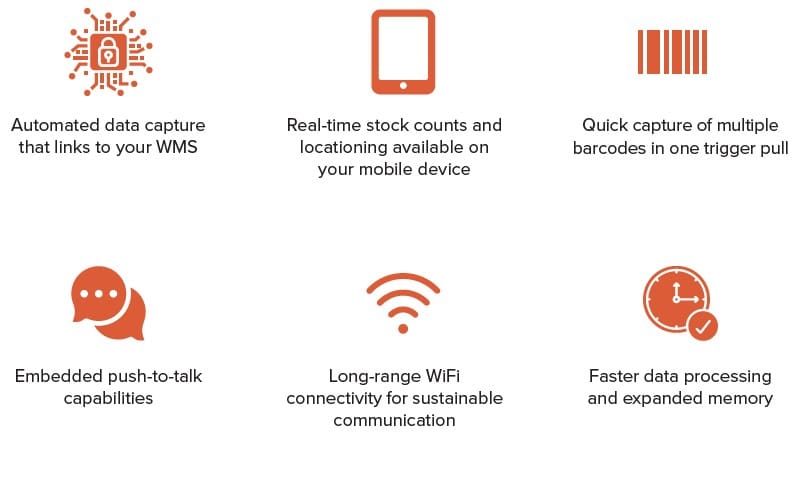
Your warehouse teams must navigate through a myriad of challenges while battling high turnover rates and shortages at the same time. Empower them to conquer challenges with streamlined efficiency delivered through…
Learn More From CSSI
Contact CSSI to learn more about how you can consolidate the mobile devices in use in your facilities — adopting instead a multi-functional enterprise Android rugged handheld from Zebra Technologies.
FAQ – Frequently Asked Questions About Multifunctional Handheld Computers in the Warehouse
Q: Why would we replace dedicated barcode scanners with handheld computers when our scanners still work?
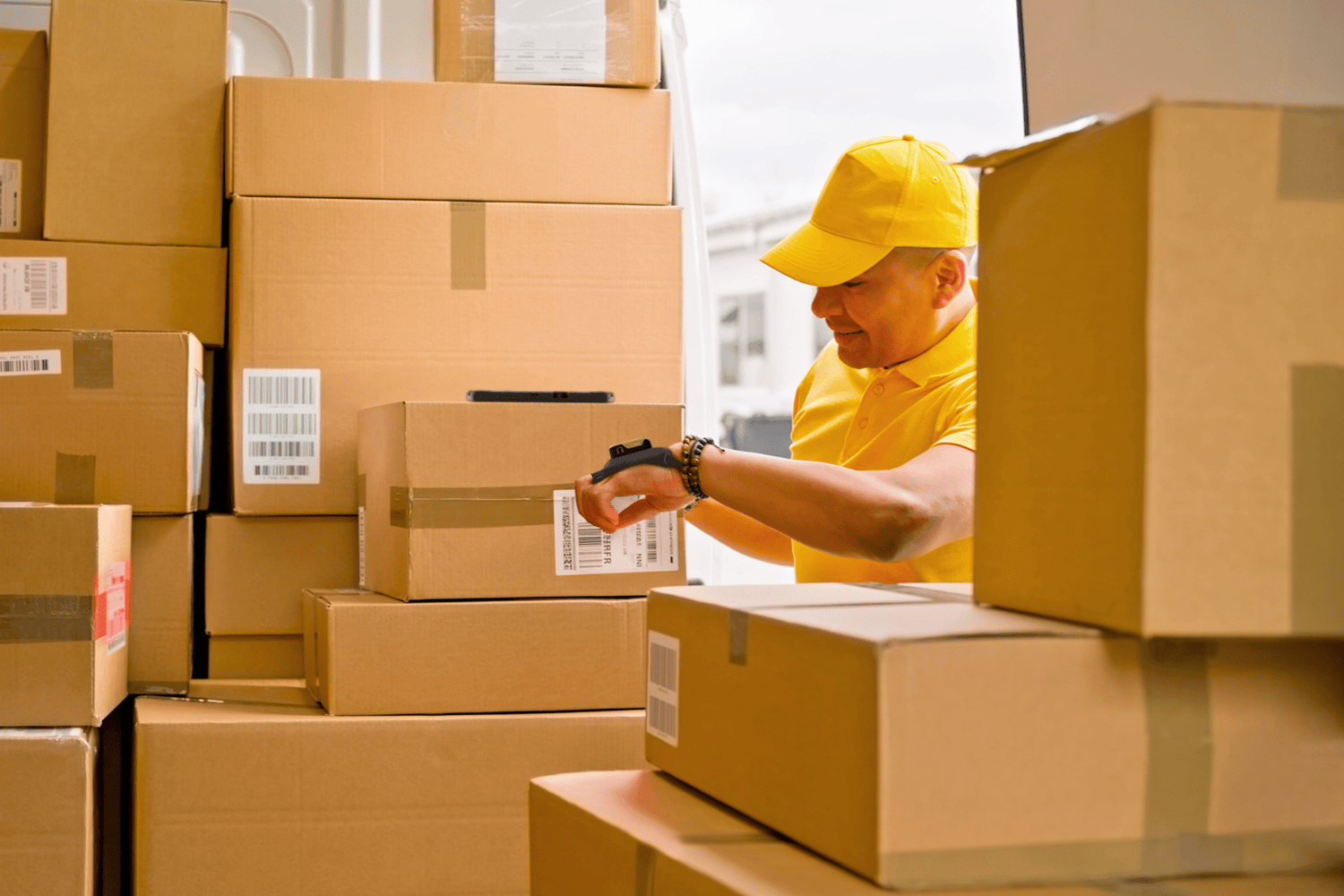
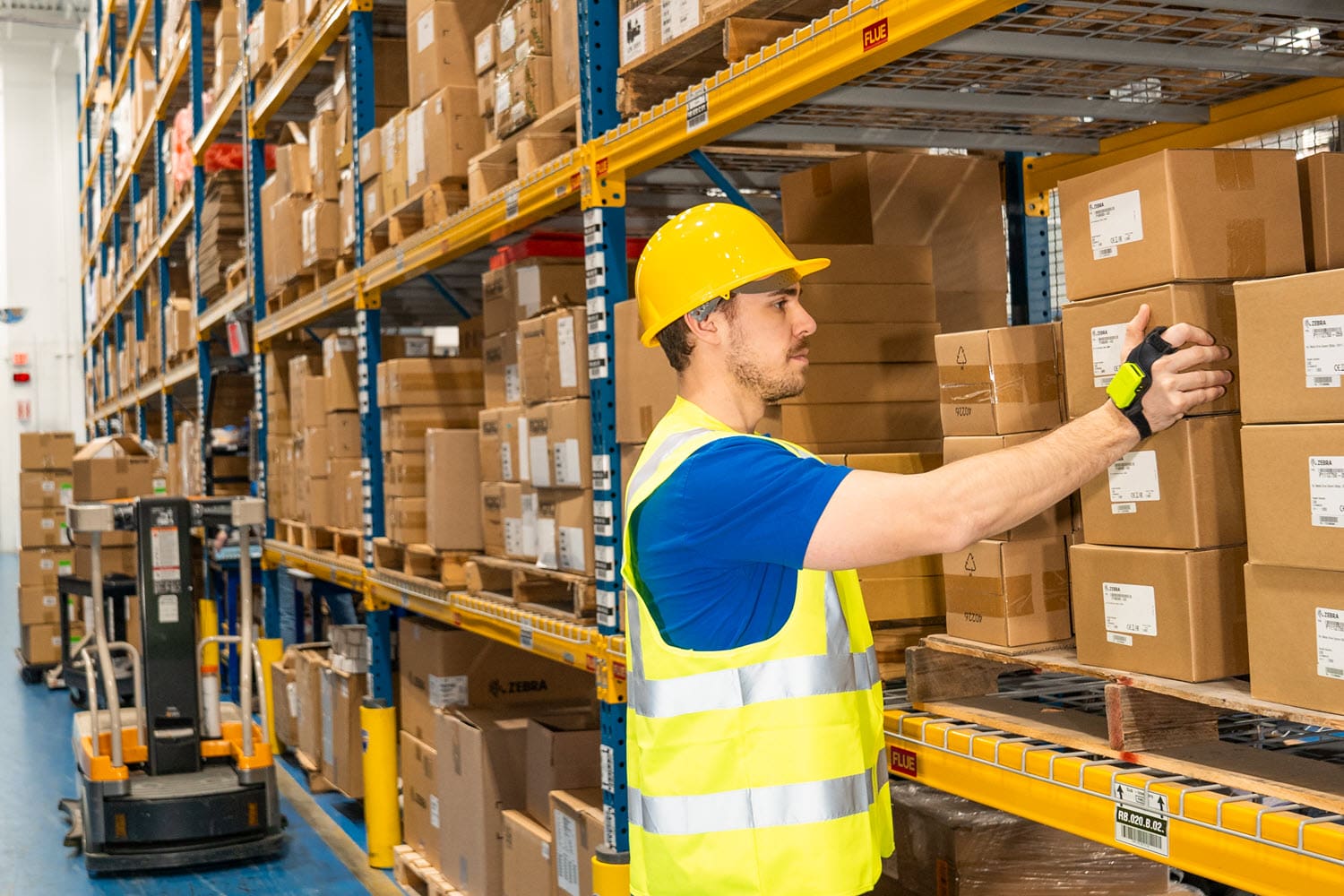
A. A dedicated scanner does one job: it captures a barcode and passes the data to another system. A multifunction rugged handheld scans just as well, and it also runs warehouse management system (WMS) apps, shows pick and putaway instructions on screen, handles voice and push-to-talk, takes photos to document damage or proof of delivery, and can read RFID with the right accessory. That lets one device replace a scanner, a two-way radio, a mobile phone, and sometimes a cart-mounted terminal. Workers carry and charge less gear, and they get real-time task data in their hands, which helps them work faster and make fewer mistakes. Upgrading also makes sense when you’re under pressure for same-day shipping, real-time order visibility, and high order accuracy, because the handheld turns every scan into a live transaction.
Q: Won’t putting a computer in every worker’s hand make it harder for IT to manage and secure devices?
A. In most cases it gets easier. Today’s enterprise handhelds run Android and are built for central management. With a mobile device management (MDM) or enterprise mobility management (EMM) platform, IT can push app and security updates, lock devices into kiosk mode so workers can only open approved apps, set Wi-Fi and security policies, and find or remotely wipe a lost device, all from one console. Vendors such as Zebra, Honeywell, and Datalogic also offer extended Android security update programs and their own device management tools. Fewer device types means fewer platforms, fewer chargers, fewer spare parts, and fewer support contracts. The total cost of ownership is often lower than keeping several single-purpose devices running.
Q: How do multifunction handhelds help with high turnover and staff shortages?
A. A familiar, smartphone-style touchscreen with guided workflows cuts training time a lot, because new hires already know how to use the interface. On-screen prompts, pictures, and scan-to-confirm steps walk workers through each task, so temporary and seasonal staff can be productive sooner and make fewer errors. Because the same device handles picking, receiving, cycle counting, replenishment, and communication, supervisors can move people between tasks during peak periods without retraining them on different hardware. Supervisors also get real-time visibility into task progress, so they can spot bottlenecks and shift labor where it’s needed. That matters most when every shift is short-staffed.